LED Display Application | Indoor & Outdoor LED Screen Uses
LED display technology is changing the way we communicate. Today, we see screens everywhere. So, do you know about LED display application?
From outdoor billboards to indoor video walls, these devices captivate audiences.
This article explains the many uses of LED displays. It highlights the benefits and future trends.
You will learn why an LED display application is vital for modern advertising, events, and public information.
Introduction
LED displays have evolved dramatically. They started as simple digital signs. Now, they are dynamic and versatile.
LED displays are used in many fields. They bring messages to life with vivid colors. They are bright, durable, and energy efficient.
Many businesses now rely on commercial LED display application to boost their brand. Public spaces use them for real-time data updates.
In sports, they create excitement and share scores. With these advantages, LED displays are a top choice for marketing and communication.
In this article, we will explore the basics of LED technology. Next, we will review key applications.
We will then discuss the benefits and challenges. Finally, we will look at future trends. Let us dive in.
Table of Contents
Overview of LED Display Technology
LED displays use light-emitting diodes. They create images with bright colors. Each pixel is made up of individual LEDs.
Most full-color displays use red, green, and blue LEDs. By adjusting the brightness of these colors, they mix millions of colors.
LED displays come in many types. The common ones include SMD, DIP, GOB, and COB.
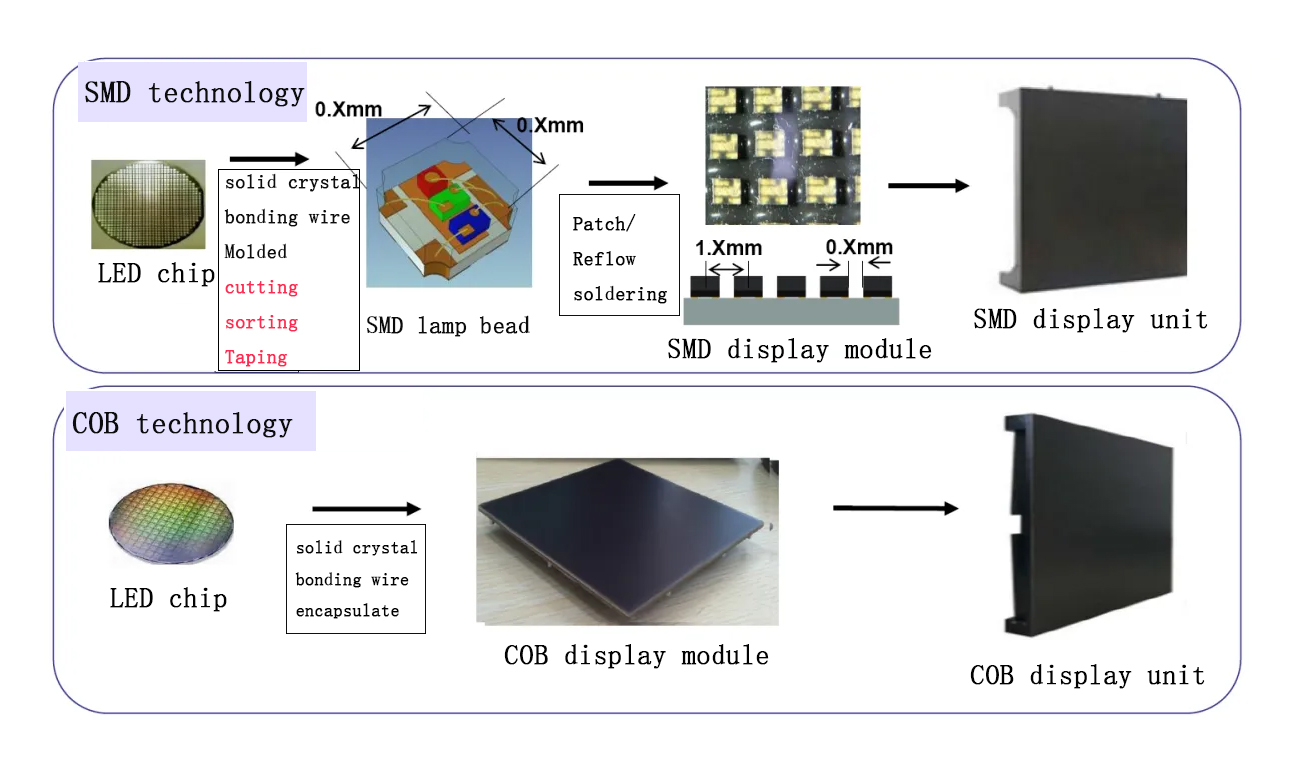
Newer models also include flexible LED display application and transparent LED display applications. These are ideal for creative and interactive uses.
LED displays offer many advantages. They are energy efficient. They work well in both indoor and outdoor settings.
They have a long lifespan. They are also scalable and modular. In other words, you can combine small screens to create a huge video wall.
Because of these features, outdoor LED display application and digital signage LED display application are popular choices. They help companies reach large audiences with dynamic content.
How LED Displays Work
LED displays are simple in concept. They use small, light-emitting diodes. These diodes turn on and off rapidly.
Each pixel is controlled by a driver chip. This chip sends data to every LED.
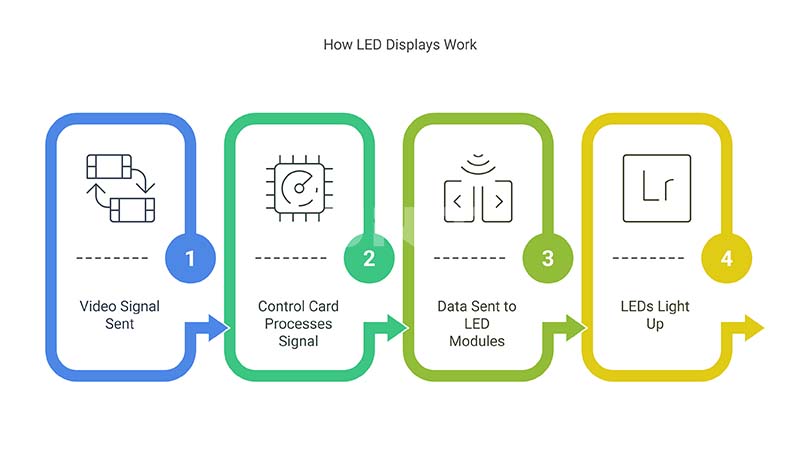
The process is fast and efficient.
First, a video signal is sent to the control system.
Then, the control card processes the signal.
Next, the data is sent to each LED module.
Finally, the LEDs light up to form an image. Simple steps make this process work smoothly.
Short sentences are ideal for technical explanations.
For example, consider this: “The system works in four steps. First, the video source is input. Then, the control system processes it. Next, the data goes to the LED modules. Finally, the image appears.”
This method makes the technology clear and easy to understand.
Learn more: http://wp.luotec.com/how-led-display-work
Types of LED Displays
There are many types of LED displays according to different classification standards. Common classification standards are:
-Based on Installation Method
-Based on Display Technology
-Based on Usage Environment
-Based on Color Type
-Based on Control System
…
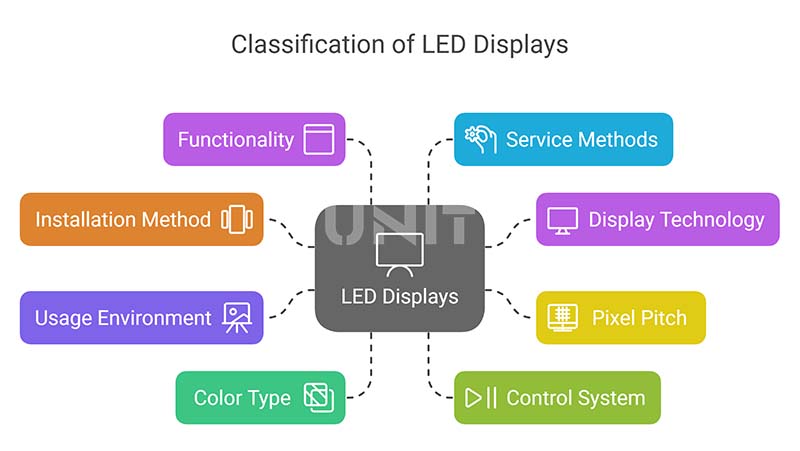
LED displays come in different shapes and sizes. Each type is designed for a specific purpose.
Here are some common types based on LED display technology:
SMD LED Displays
Surface-Mount Device (SMD) displays are popular today. They have LEDs mounted directly on a board.
This design creates high resolution and uniform color. SMD displays are perfect for indoor use. They are slim and lightweight.
High-resolution indoor LED display application often uses SMD technology. They are common in conference rooms and retail spaces. Their wide viewing angles are a plus.
DIP LED Displays
DIP (Dual In-line Package) displays are older. They are still used for outdoor purposes.
DIP displays offer great brightness. They work well under harsh weather conditions. They are robust and durable.
Many outdoor installations use outdoor LED display application with DIP technology.
They are ideal for billboards and stadium screens. Their simple design offers reliable performance.
GOB LED Displays
GOB stands for Glue on Board. This method adds a protective layer to the LED module.
The result is a screen that is highly resistant to dust and moisture. It is often used for rental applications and temporary installations.
For event organizers, a rental LED display application with GOB technology is very attractive.
It can handle frequent use and harsh conditions. This type is known for durability and ease of transport.
COB LED Displays
Chip on Board (COB) displays are more modern. In COB, many tiny LED chips are mounted on a single substrate.
This design offers excellent brightness and color uniformity. It is ideal for high-definition indoor screens.
A commercial LED display application often uses COB technology.
These displays are crisp and clear, with no gaps between pixels. They work well in control rooms and luxury retail spaces.
Flexible and Transparent LED Displays
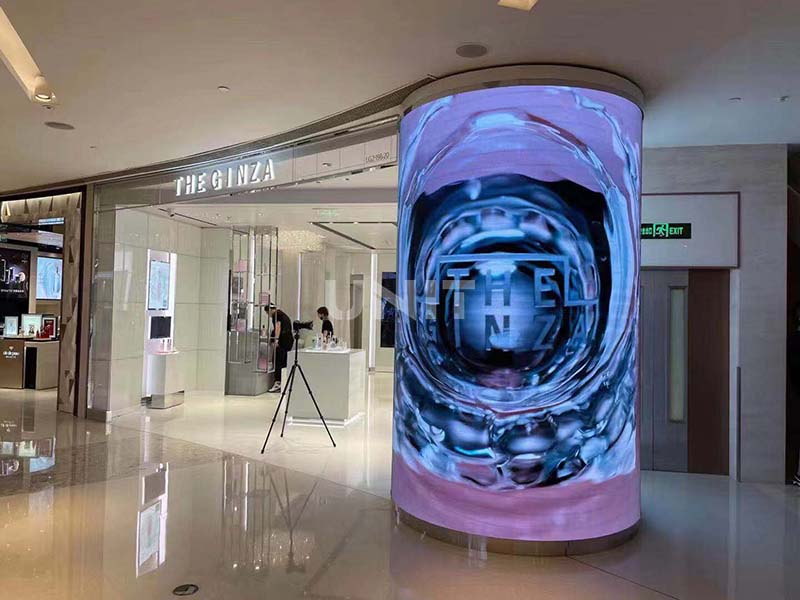
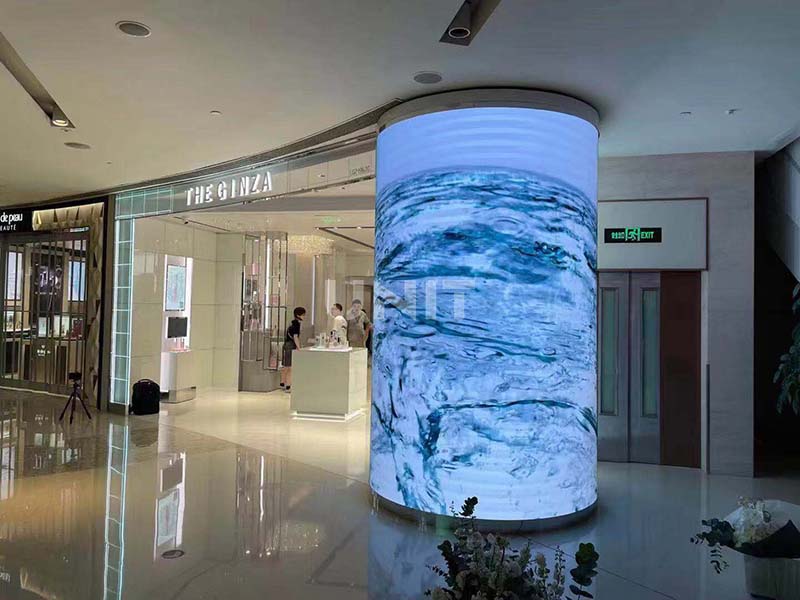
Recent innovations have given rise to flexible LED displays. These screens bend and curve.
They can be applied to irregular surfaces. This makes them perfect for creative installations.
Similarly, transparent LED displays let you see through the screen. They are popular for glass facades and modern storefronts.
These innovations expand the possibilities for interactive LED display application.
Using short sentences and clear transitions helps readers follow these differences. Each type serves a specific need. Businesses can choose the best one for their goals.
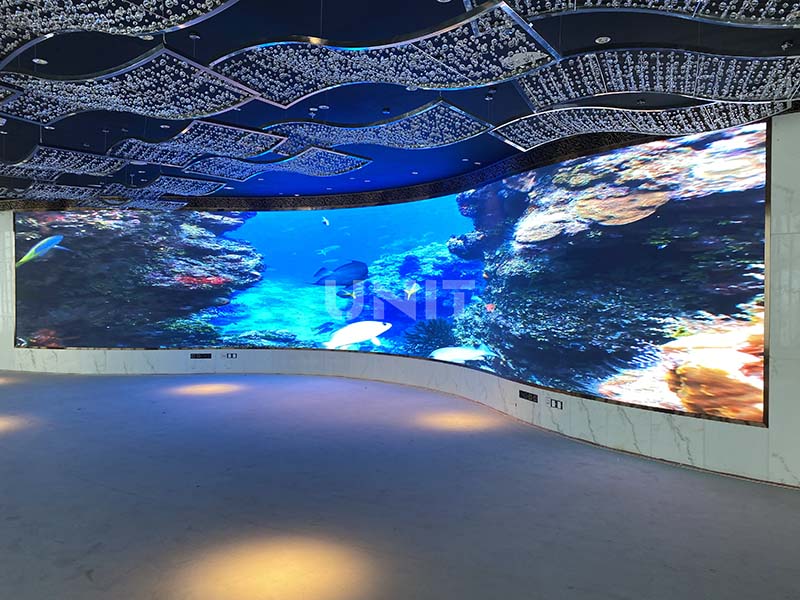
Key Applications of LED Displays
LED displays are widely used in advertising, sports, transportation, entertainment, corporate environments, retail, smart cities, healthcare, and education.
Their high brightness, energy efficiency, and durability make them a preferred choice for dynamic visual communication.
Below is a detailed breakdown of common LED display application.
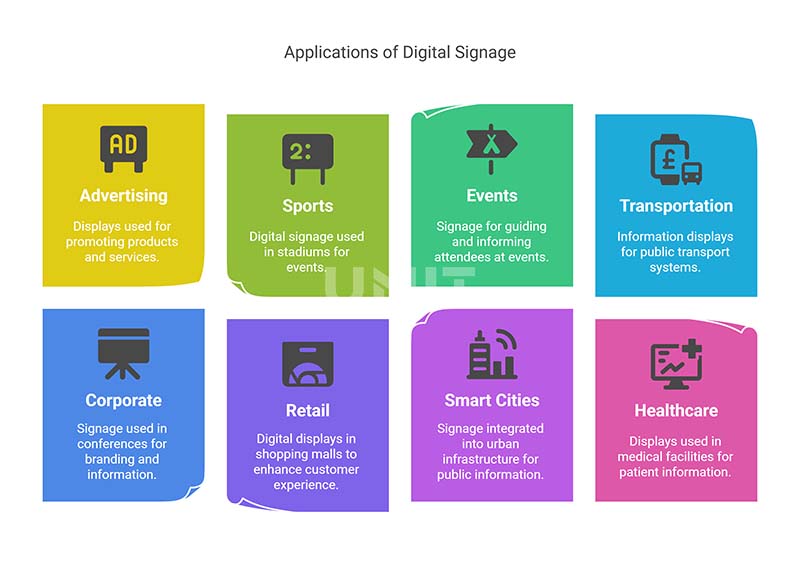
Advertising and Digital Signage
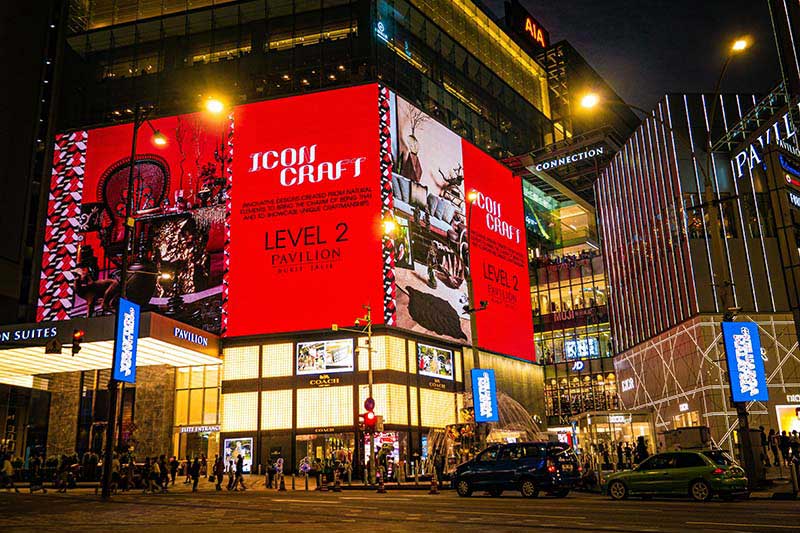
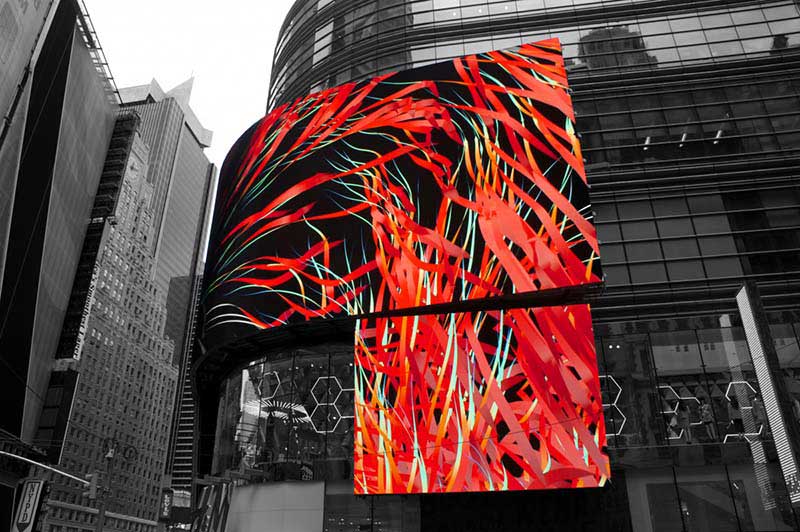
(1) Outdoor LED Billboards
Outdoor LED screens are placed in high-traffic areas such as highways, city centers, and commercial districts.
These displays are designed to handle all weather conditions while delivering high-brightness visuals.
They are used for brand promotions, product advertisements, and event marketing.
(2) Indoor Digital Signage
Indoor LED displays are widely seen in shopping malls, retail stores, and exhibition halls.
They showcase promotional videos, store information, and special offers.
Businesses use them to attract customers, increase engagement, and enhance brand visibility.
(3) Transparent LED Displays
Transparent LED screens are commonly installed on storefront windows and building facades.
They allow businesses to display digital content while maintaining transparency.
This is especially effective for luxury retail, automobile showrooms, and futuristic advertising concepts.
(4) Mobile LED Billboards
Mobile LED displays are mounted on trucks or trailers, allowing businesses to move their advertisements to different locations.
This type of advertising is commonly used for city-wide promotions, political campaigns, and special event marketing.
Sports and Stadium Displays
(1) Perimeter LED Displays
Perimeter LED screens surround sports fields to show real-time advertising and sponsorship messages.
They are widely used in football stadiums, basketball courts, and cricket fields.
(2) Fan Engagement Video Walls
Many stadiums install large LED video walls in fan zones to allow public viewing of live matches.
These screens create an immersive atmosphere, keeping fans engaged outside the stadium.
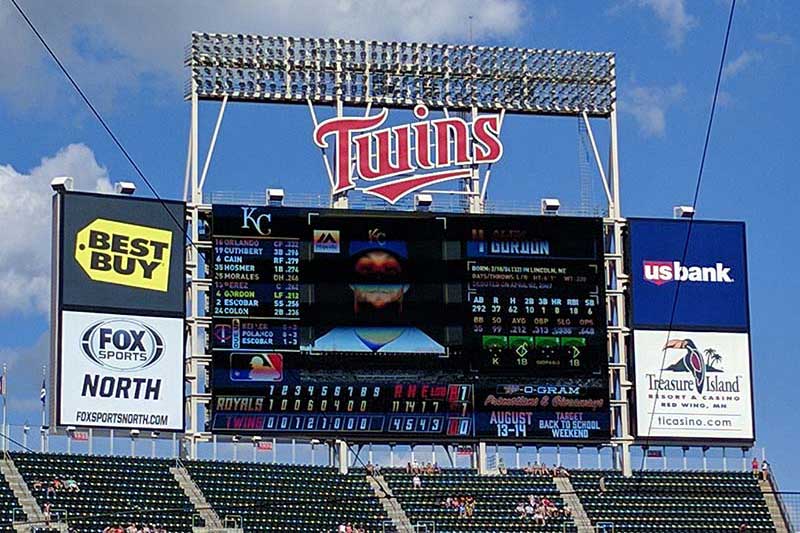
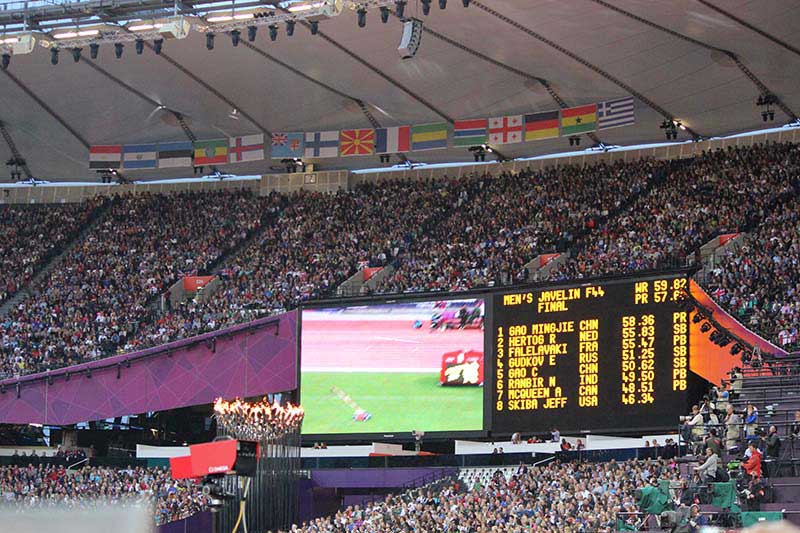
(3) Scoreboards and Live Event Screens
Large LED screens in stadiums display live scores, player statistics, and instant replays.
These screens enhance the viewing experience for spectators, ensuring they don’t miss important moments.
Smart Cities and Public Installations
(1) Government LED Screens
City authorities use LED displays to broadcast public announcements, emergency alerts, and local news updates.
Government LED Screens are installed in public squares, municipal offices, and government buildings.
(2) LED Displays for Museums and Cultural Centers
Museums use LED screens to present interactive exhibits and digital storytelling.
Displays help engage visitors and provide educational content.
(3) LED Screens for Tourist Attractions
Tourist destinations install LED screens to provide guidance, virtual tours, and entertainment for visitors.
Transportation and Public Information Displays
(1) Airport LED Screens
LED displays in airports provide real-time flight schedules, gate information, and security updates.
Airport LED displays help passengers stay informed and reduce confusion.
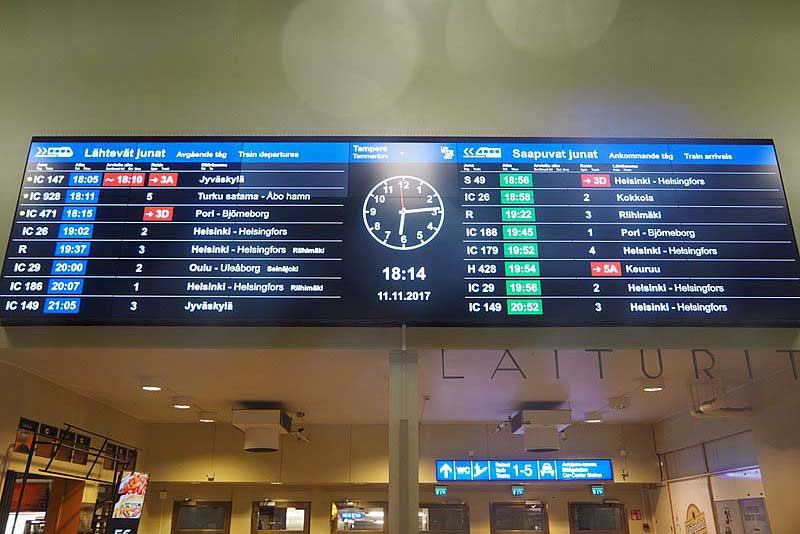
(2) Train and Metro Station Displays
Train stations use LED screens to show arrival and departure times, route maps, and safety messages.
The high-brightness LED walls ensure that information is visible even in low-light conditions.
(3) Traffic LED Signs
Highway and roadside LED signs display speed limits, traffic alerts, and emergency notifications.
Digital signs help improve road safety and traffic management.
Events and Entertainment
(1) Trade Show and Exhibition Displays
Exhibitors use LED screens to showcase product demonstrations, company branding, and interactive content.
Trade show LED displays attract visitors and enhance engagement.
(2) 3D LED Billboards
Naked-eye 3D LED billboards are becoming a trend in urban advertising.
These displays create lifelike 3D visuals without the need for special glasses.
More immersive and eye-catching 3D anamorphic billboard is the future of advertising.
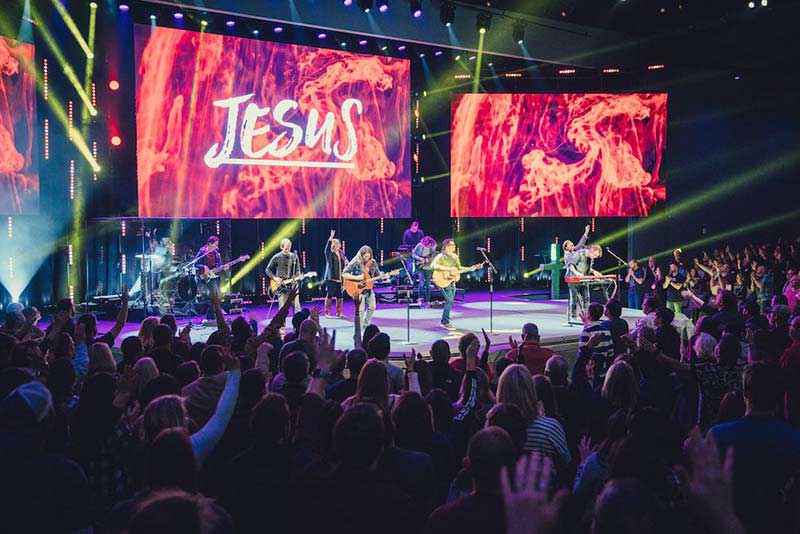
Concert organizers use LED displays to provide live streaming, visual effects, and artist close-ups.
Large LED video walls ensure that audiences in the back can still enjoy the performance.
Corporate and Conference Applications
(1) LED Video Walls for Boardrooms
Big LED screens in boardrooms enhance corporate meetings, video conferencing, and presentations.
High-quality conference LED screens provide crisp visuals, seamless content sharing, and high-resolution displays.
(2) Training and Education Centers
Many businesses and universities use LED screens in training rooms and seminar halls to improve learning experiences. These displays allow for interactive lessons, real-time collaboration, and virtual meetings.
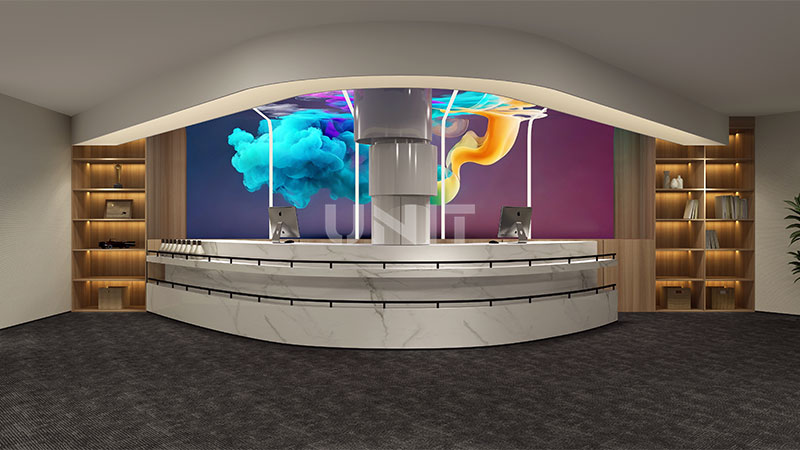
(3) Lobby and Reception Displays
Many corporate offices use LED screens in their lobby areas to display company news, welcome messages, and visitor information.
Retail and Shopping Malls
(1) LED Shelf Displays
Supermarkets and retail stores use small LED displays on shelves to show pricing updates, promotions, and digital advertisements.
Smart LED price tags make it easier to update content in real time.
(2) Interactive LED Floor Displays
LED floor screens create dynamic visuals that respond to customer movements.
You can install it in shopping malls, entertainment centers, and gaming areas to attract visitors.
(3) LED Storefront Signage
Retail stores use LED screens to replace traditional banners and posters with animated and video-based advertisements.
These displays help increase foot traffic and customer engagement.
Healthcare and Medical Displays
(1) Hospital Digital Signage
Hospitals use LED screens in waiting rooms, lobbies, and hallways to show information.
Such as patient information, doctor schedules, and health awareness messages.
(2) LED Screens in Pharmacies
Pharmacies install LED displays to show real-time medicine availability, prescription offers, and health advisories.
(3) Medical Research and Conference Displays
Medical institutions use LED displays for scientific presentations, research conferences, and real-time data visualization.
Education and Learning Centers
(1) Smart Classrooms
LED displays are widely used in classrooms and lecture halls to support digital learning, video lessons, and interactive teaching.
(2) University LED Signage
LED screens in universities display campus announcements, student events, and class schedules. You can see them in libraries, student centers, and common areas.
(3) LED Screens in Science Museums
Science museums use LED displays for educational exhibits, interactive simulations, and immersive learning experiences.
Why Choose UNIT LED for Your Application?
UNIT LED is your trusted partner for LED display solutions across all application scenarios—whether it’s advertising, retail, events, control rooms, or transportation.
Here’s why global clients choose us:
Tailored Solutions
We provide customized LED display solutions based on your specific environment and usage scenario.
High-Performance Products
Our LED screens deliver outstanding brightness, contrast, and stability—suitable for both indoor and outdoor use.
14+ Years of Experience
With successful projects in over 110 countries, our team brings deep industry expertise.
Factory Direct Pricing
Benefit from competitive prices thanks to our 12,000㎡ manufacturing facility.
Complete Service System
From pre-sales consulting to after-sales technical support, we ensure smooth implementation and long-term reliability.
Whether you’re planning a giant outdoor LED billboard, a retail video wall, or a rental LED screen for events, UNIT LED delivers quality, performance, and peace of mind.
https://youtu.be/j3dA90joOfQ
Contact us now to get a customized LED display solution that fits your needs perfectly.
Benefits of LED Displays
LED displays offer many benefits. Their advantages are clear and measurable.
High Brightness and Contrast
LED screens are very bright. They are visible in direct sunlight. Their high contrast levels create crisp images.
This is crucial for outdoor advertising. The bright visuals catch the eye and hold attention.
Energy Efficiency
LED displays use less power than older technologies. They are energy efficient. This saves money in the long run.
For businesses, energy efficiency is a big plus in any commercial LED display application.
Durability and Longevity
LED screens are built to last. They withstand harsh weather and heavy use.
This makes them ideal for outdoor and high-traffic applications. Whether used in transportation or in a busy shopping center, they stay reliable for years.
https://youtu.be/YPM5vyTTRSQ?si=OyGqdR0–0ZxUveW
Flexibility and Modularity
LED displays are modular. You can combine small screens to create a large video wall. They come in many shapes and sizes.
This versatility is valuable for custom installations. It is one reason why LED display application is popular in diverse settings.
Easy Content Updates
Digital signage on LED displays is easy to update. Content can be changed quickly using software. This keeps the message fresh and relevant.
It also means that advertising campaigns can be dynamic and responsive. Short, simple messages work best.
For example, a dynamic LED display application can show live social media feeds or real-time data.
Challenges of LED Displays
Despite many benefits, there are some challenges.
Initial Investment and Maintenance
LED displays can be expensive to install. The initial cost is high. However, energy savings and a long lifespan often offset this cost.
Maintenance is also important. Regular cleaning and repairs ensure optimal performance.
Technical Integration
Installing LED displays requires technical knowledge. Integration with existing systems may be complex.
It is crucial to have a clear plan. This ensures that the display works well with other digital platforms.
Environmental Factors
Outdoor displays face weather challenges. Sunlight, rain, and dust can affect performance.
High-quality screens have protective features, but installation must be done carefully. With proper planning, these issues can be minimized.
Future Trends and Innovations
LED technology is always evolving. New trends are emerging that will change the game.
Flexible and Stretchable Screens
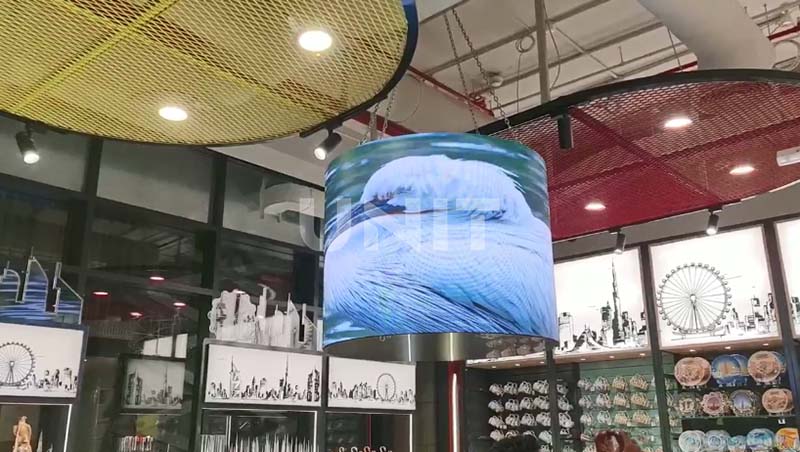
Flexible LED displays are on the rise. They can bend and twist. This opens up creative applications.
For example, a flexible screen can wrap around a building or create interactive art. The future may see more flexible LED display application in wearables and smart furniture.
Integration with IoT and Smart Cities
LED displays are becoming part of the Internet of Things (IoT). They can connect to networks and update in real time.
Smart cities use LED displays for public safety, transportation, and information. This is a key smart LED display application that will grow in the next decade.
Enhanced Interactivity
Interactive displays are gaining popularity. Touch screens and sensor-based systems allow for user engagement.
These systems are used in retail, education, and events. The trend towards interactive displays will continue to grow.
For instance, an interactive LED display application in a museum can make exhibits more engaging.
Advances in MicroLED and RGB LED
Recent innovations include MicroLED display application. MicroLED offers higher brightness and better energy efficiency.
It is also more durable than OLED. Manufacturers are working to lower costs.
RGB LED technology is also evolving. New models produce purer colors directly from the source. This improves image quality significantly.
Conclusion
To sum up, LED display technology is a game changer. It has reshaped how we communicate. Its benefits are clear.
And its future is full of promise. If you want to stay ahead in your industry, consider investing in LED displays.
By choosing the right LED display, you can capture attention, improve engagement, and achieve lasting impact.
Does the above LED display application provide you with inspiration? Embrace LED displays and step into the future of digital communication! Just Contact us!