LED Screen for Museum | Museum LED Display Screen
LED Screen for Museum
The museum LED video wall creates an informative and inspiring experience.
Get Quotation Now!
LED Screen for Museum
In museums and science and technology museums, LED screens for museum provide audiences with a new way of exploration with clear pictures and excellent audio-visual experience. In order to create a better interactive experience for visitors, the LED screen is an excellent choice!
Indoor LED Display
High-resolution Screens
Customized Screens and Sizes
Better Visual Performance
More Features
Creative LED Display
Soft Flexible LED Module
High Flexibility & Bendable
Excellent for Creative Display
More Features
Why Do You Need Museum LED Displays?
(1) The LED display tells stories in a more vivid way.
The museum is a showcase for the collection of history and human achievements. People can glimpse a corner of human civilization from the cultural relics displayed in museums.
A museum is a place with important educational significance. How to let tourists get the influence of history, culture, and tradition while visiting the exhibits? It is what people should focus on.
Museums that incorporate audiovisual technology can be far more impressive than untouched venues. Imagine that you have participated in a museum where LED displays are installed, and you will feel the joy and excitement of learning history in a unique and advanced way.
(2) The LED screens help museums’ digital exploration.
In addition to regular exhibitions, the museum often holds special collections on unique themes. One of the digital exhibitions supported by LED displays is quietly changing the way exhibits are exhibited.
LED displays have played an important role in promoting museums to develop online digital experience products. LED display for museums provides tourists with an immersive experience, virtual exhibition hall, high-definition live broadcast, and other new cultural tourism services.
LED PANEL PRICE
Just fill the sizes, and get your led screen budget right now !
LED Display Applications in Museums
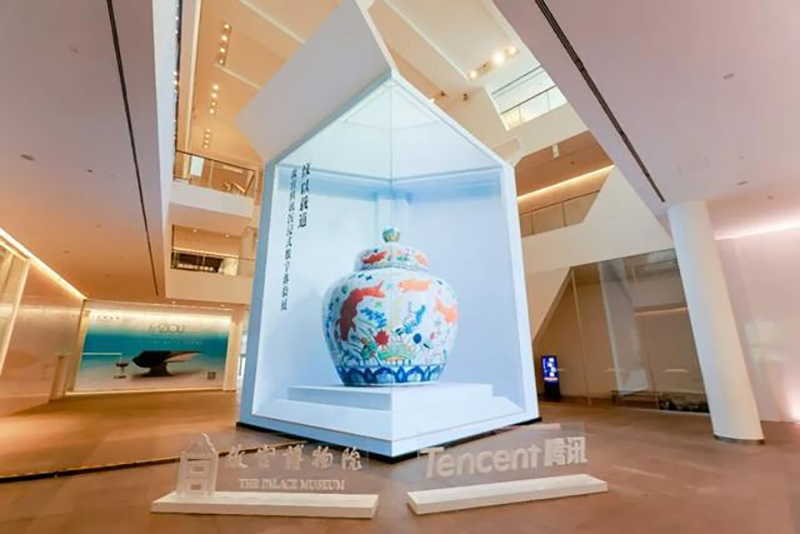
Digital Exhibition
Digital exhibitions are inseparable from the support of display equipment. With the help of LED displays, static cultural relics or exhibits are presented in front of people.
This unique exhibition format provides a novel learning experience. The extensive interactive media wall fully displays the details of the exhibits. Immersive display solutions bring unlimited imagination.
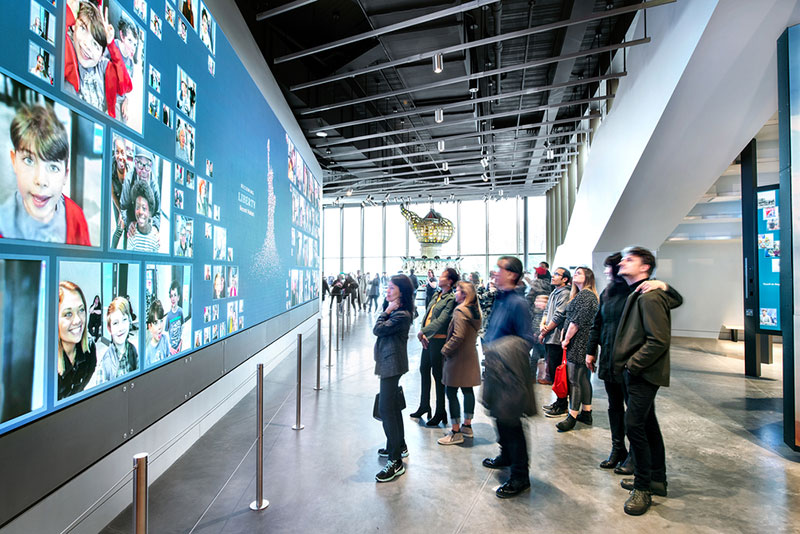
Welcome Wall
The large indoor LED display screen can broadcast museum introduction, exhibition information, exhibit information, and other information. It also provides guidance on how to get the best visiting experience.
Screens in the lobby or foyer create a unique atmosphere and set the tone for the space and building branding. When visitors enter the museum, LED displays can provide them with effective information such as exhibits.
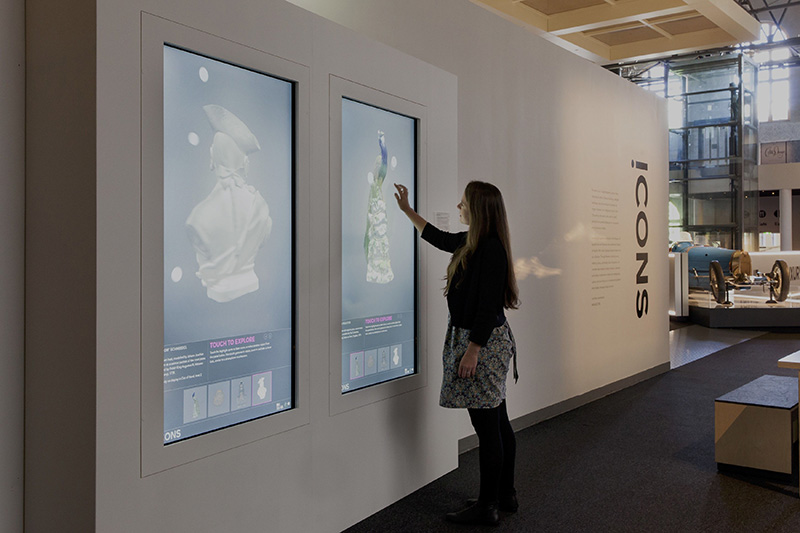
Interactive Exhibition
In museums, science museums, or other exhibition venues, full-color LED display is a good choice to create interactive exhibits.
Visitors can interact with the exhibition by touching the screen or other interactive ways to explore different themes and contents. LED screens can display information, images, and animations related to audience interaction.
Exhibits Introduction
How to better introduce all information about exhibits to visitors? The LED display quickly attracts people’s attention with its high-definition and delicate pictures.
Imagine you stand in front of an exquisite handicraft, and the LED display next to it vividly describes its craft details and cultural stories behind it. Isn’t this more attractive than a simple verbal description?
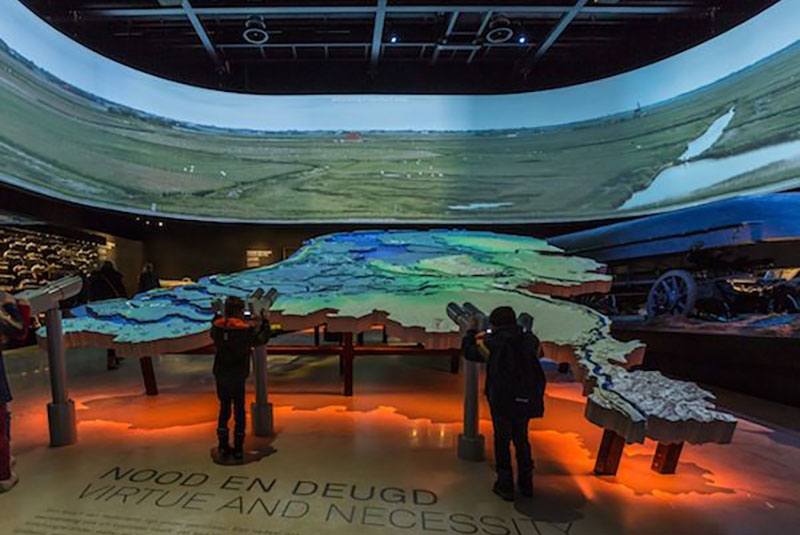
LED Display in Museum
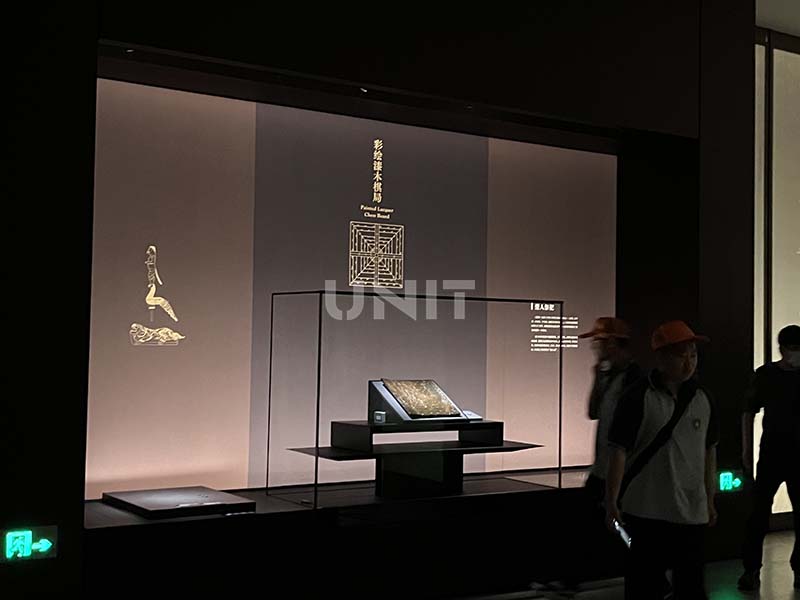
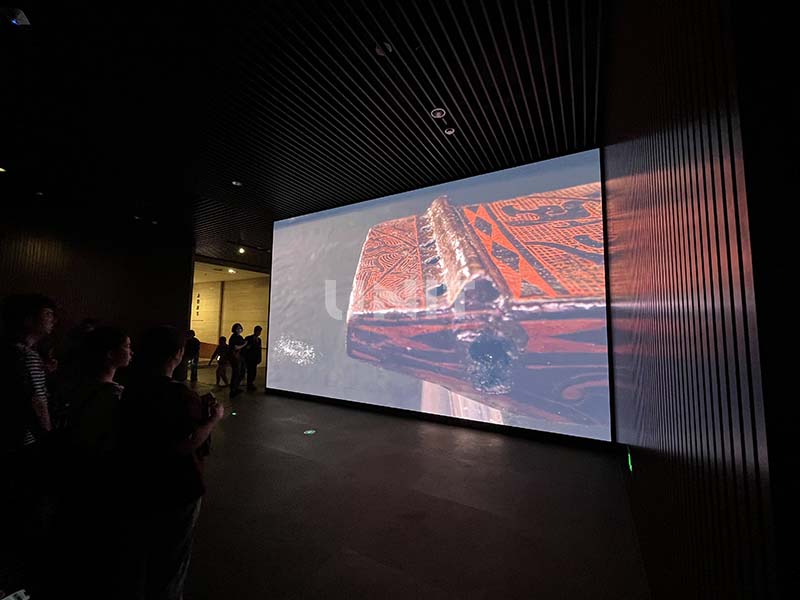
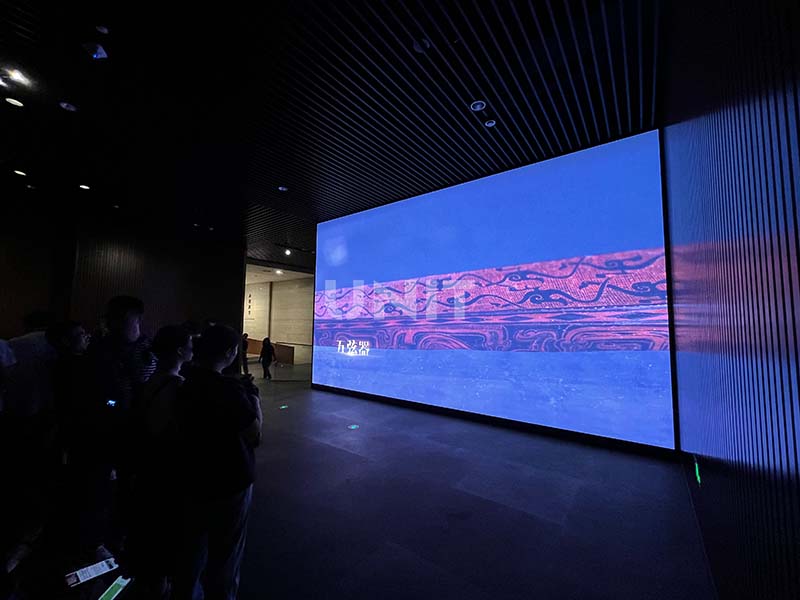
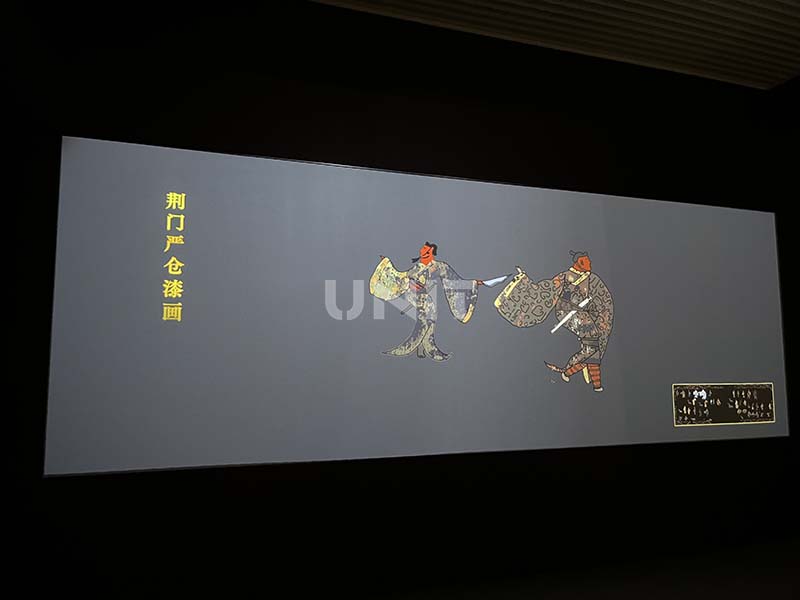
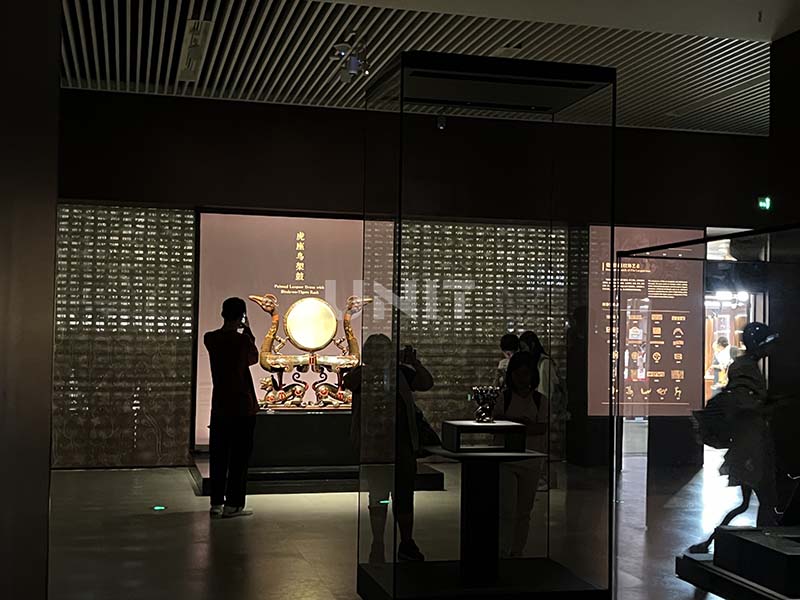
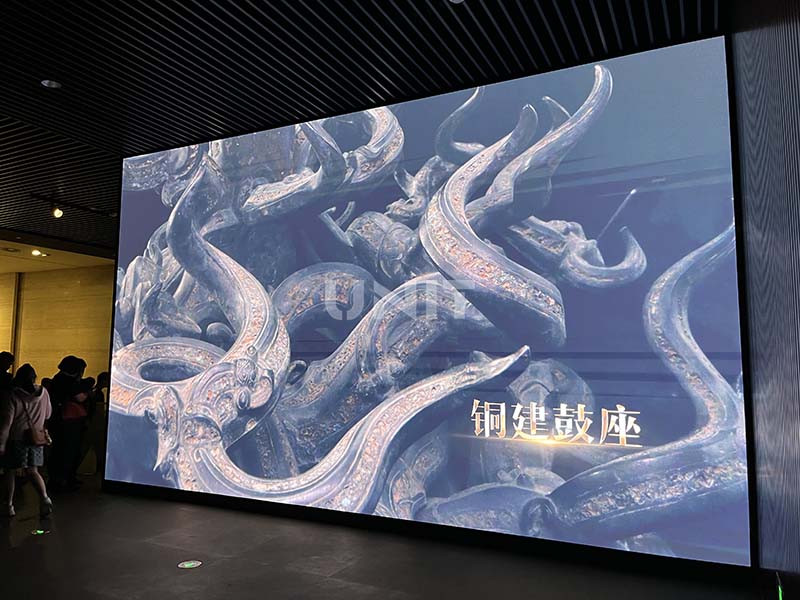
https://youtu.be/7jWSf_njkcw
GET QUOTE NOW
UNIT Museum LED Screen Solutions
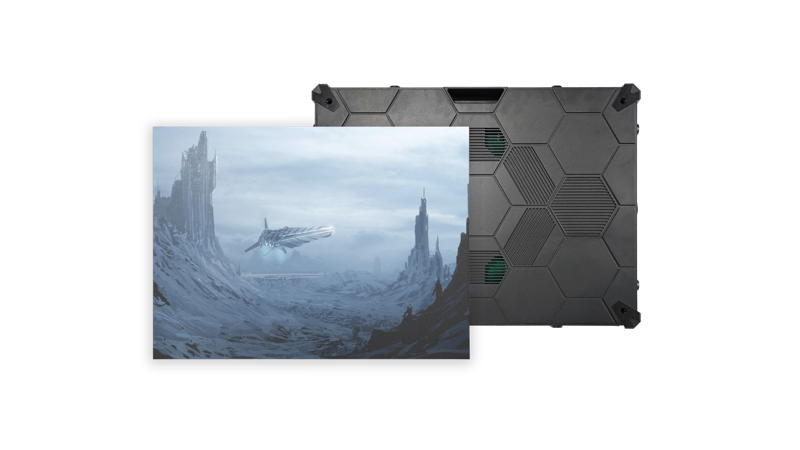
MA640 Series Indoor LED Display
- Standard size cabinet with 640*480mm dimension with P1.25-P5
- 4:3 ratio cabinet design for a variety of 4:3 and 16:9 LED large screens
- Full front maintenance, easy and convenient
- Designed for indoor fixed installation applications
- SMD 3 in 1 LED Encapsulation Technology, excellent display experience
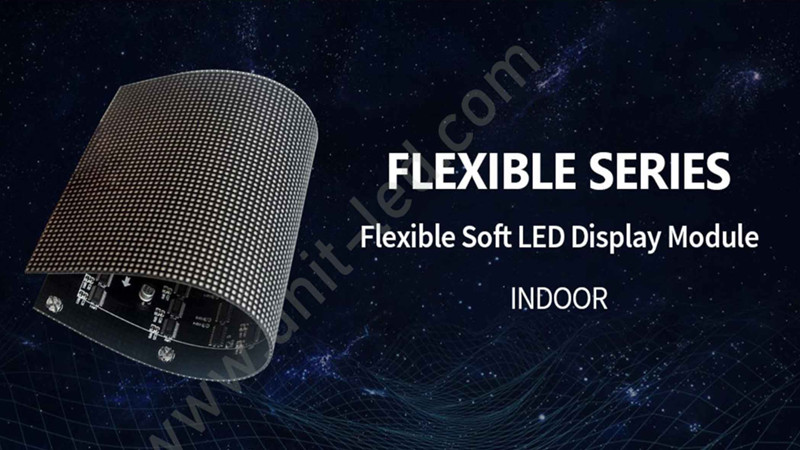
Soft Flexible LED Module
- High-quality soft flexible LED screen
- High flexibility
- Various pixels ranges from P1.875mm, P2mm, P3mm, P4mm to P5mm
- Suitable for special-shaped LED displays
- High refresh rate and stable running
LED Screen For Museum & Gallery: Applictions and Products!
With the growth of people’s increasingly normal cultural needs, various museums, science and technology museums, art galleries, and other places have become places for people to travel or have daily leisure. The Museum LED screens are sure to impress you.
Whether it is used to display or introduce exhibits, or to convey various information, the excellent picture of an LED screen for museum makes the museum more intelligent.
In this article, we will introduce information about museum LED displays, including the application, benefits, etc. If you have doubts about the application of LED displays in museums, let’s find the answer together.
Table of Contents
1. How to Understand Museum LED Screens?
2. How to Use the Museum LED Screen?
3. Applications of LED Display in Museums
4. 3 types of Museum LED screens
5. How LED Displays Create an Immersive Museum Experience
6. Immersive 3D Display Solution For Museum/Exhibition Hall
1. How to Understand Museum LED Screens?
1.1 What is a Museum LED Display?
The museum LED display aims to inject technological vitality into museums, science and technology museums, and other exhibition halls or other venues for exhibitions. It provides visitors with a unique experience.
According to their installation location and usage, LED screen for the museum has different options. But they all have one goal in common – to provide visitors with a higher level of learning experience.
More and more museums use LED displays to introduce or display the details of exhibits. Immersive technology brings people unforgettable experiences.
Use digital technology to create a digital museum, bringing an immersive visual experience to the audience. While they have an in-depth understanding of the contents, they can also feel the unique charm of digital technology.
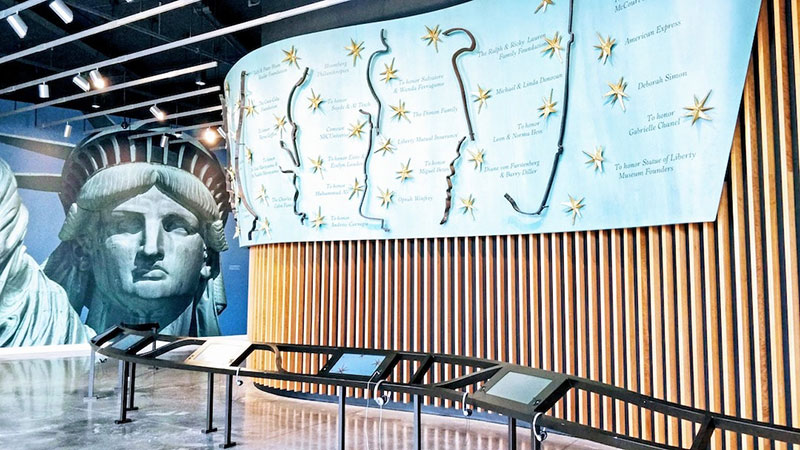
1.2 Why is Museum LED Display Important?
(1) Vivid Visual Effects
LED display for museum attracts visitors to explore the museum with vivid pictures and an immersive experience. LED museum screens will make your exciting exhibits even more enticing.
Digital technology makes the exhibits vivid and lively. With the help of 3D technology or virtual technology, scientific and technological means help museum exhibitions. So everyone can better contact and understand cultural relics.
(2) LED Light Source
As a new type of light source, LED light sources can be equipped with lighting systems, making the use and control of light in museums more intelligent and efficient. Precise light distribution from multiple angles, restoring wonderful artistic details.
2. How to Use the Museum LED Screen?
2.1 Introduction of Exhibits
The LED display supports content in various formats with high-definition images: text, pictures, animations, sounds, etc. The combination of real objects and video explanations on the LED display is even more impressive.
Explaining the exhibits with the help of LED screens will help the audience get richer information and understand them more thoroughly.
2.2 Digital Exhibition
Unique digital exhibitions allow cultural relics to be presented to people in another way. No longer limited to the cold display cabinets, people can view the exhibits in the museum in all directions on the LED display.
In the naked-eye 3D exhibition area, huge LED screens display cultural relics that have been magnified multiple times.
The new display method avoids the risk of long-distance transportation of precious cultural relics. Moreover, it provides details that are difficult to observe even in real objects.
When the viewer touches the cultural relics on the LED screen with his hands, exquisite dynamic patterns reorganized corresponding to the patterns of the cultural relics will appear on the screen.
The LED screen injects vitality into the exhibits and immerses visitors in the world of art.
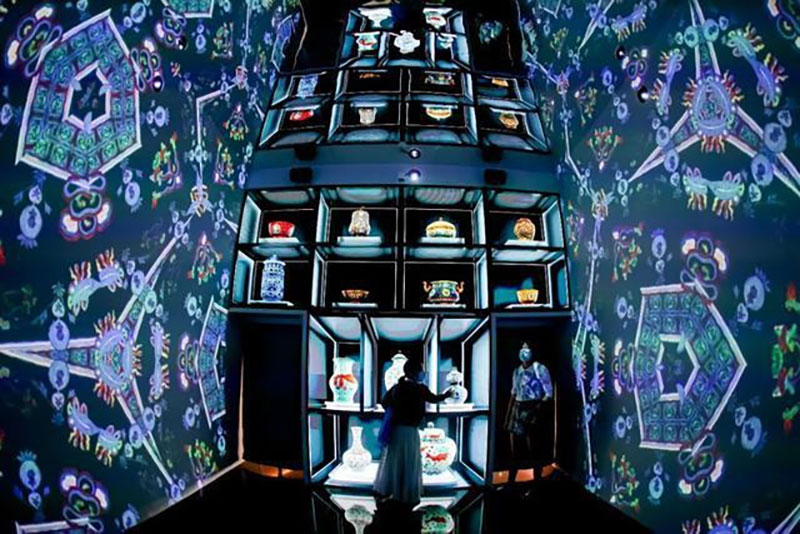
Naked-eye 3D Exhibition LED Wall
2.3 Fast Delivery of Information
For large museums, how to allow tourists to visit in an orderly manner cannot be ignored. The LED video wall needs to display venue schematic diagrams, reservation information, exhibition notices, and other information.
The LED display in the museum helps many visitors to quickly obtain guidance information, ensuring a harmonious experience for all.
Bright commercial displays support a variety of dynamic content and easy-to-understand text and images that support the navigation process. It also highlights major exhibitions, special tours, and events.
2.4 Attracting Tourists
A unique LED display device can make the museum more distinctive. Personalized pavilions coupled with exquisite exhibits become catalysts for people to share.
For example, in the calligraphy and painting exhibition, exquisite calligraphy and painting works are presented on a waterfall-shaped creative LED display. Visitors can’t help but take photos and share with the brand-new display method.
3. Applications of LED Display in Museums
Install LED display screens in appropriate locations to make the museum more visually impactful. The perfect exploration experience starts with a stunning screen!
3.1 External Architecture
The museums’ architecture is distinctive, reflecting the style of the city. The personalized outdoor LED display is perfectly integrated with the building, endowing the museum with a unique visual image.
These screens have a good display effect with elegant appearances. Play an introduction video to let the audience know about the museum for the first time.
3.2 Preface Hall of the Museum
The indoor LED display in the prologue hall can play various information in a loop: the spatial diagram of the museum, exhibition activities, the latest news, etc.
When visitors walk into the museum, they can quickly and efficiently find the information they need. It can better enhance the experience of users coming to the museum.
3.3 Immersive Exhibition Hall
The combination of LED display application + digital technology enriches the display methods of exhibits. And it also brings more opportunities to LED displays.
For example, the electronic sand table with a touch function can not only display videos, pictures, and texts on the LED screen but also allow visitors to choose the content of the visit for in-depth understanding through human-computer interaction.
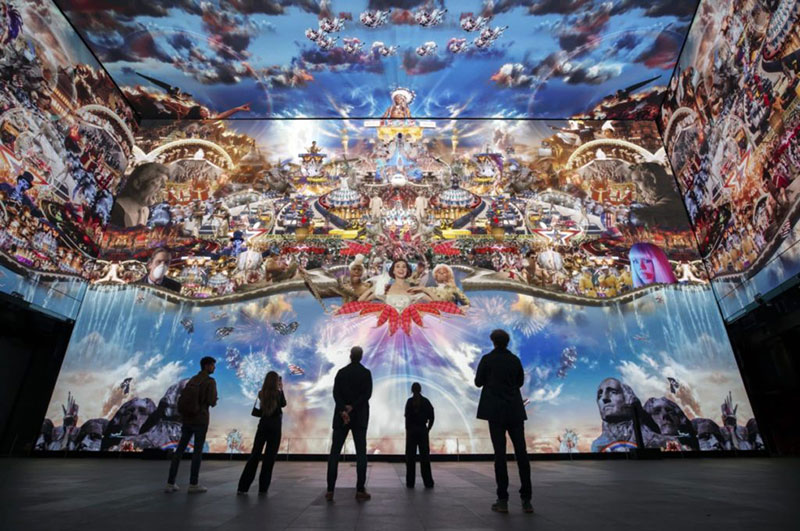
The XR virtual studio, which has been very popular in recent years, can also be used in museums to create immersive exhibition halls.
Through the two-sided, three-sided, or even multi-sided virtual space constructed by the LED display. Immersive LED displays in exhibition halls construct an immersive and realistic on-site experience.
Visitors no longer rely only on words and pictures, and no longer only rely on imagination, but can see the restoration of “real and vivid” scenes.
4. 3 types of Museum LED screens
4.1 Indoor LED Screen
The indoor LED display has high-definition pixels and high contrast, which is suitable for viewing at a closer distance.
Stunning interactivity and beautiful imagery create lasting impressions on museum exhibits.
LED screen for museums aims to create a unique backdrop or eye-catching focal point for exhibition design.
4.2 Creative LED Display Screen
The bendable soft module supports customization of various sizes and shapes. Soft flexible LED module fully meets various creative display needs of museums and science and technology museums.
According to the theme of the exhibition, you can customize a creative LED display with a special shape. The common ones are curved LED displays, pillar LED displays, wave LED screens, and so on.
4.3 OLED Transparent Screen
Transparent OLED screens have great advantages in transparency, contrast, and display form. It brings innovative display methods and immersive viewing experiences to museums.
Visitors can clearly see the cultural relics exhibited in the showcase through the transparent OLED screen. At the same time, it can also combine the animations and videos shown on the screen to easily learn about the exhibits in depth.
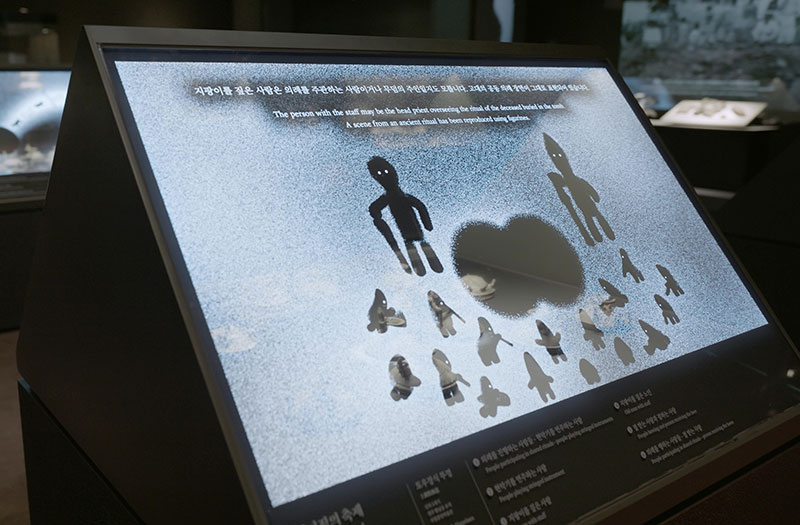
OLED Screen in National Museum of Korea
5. How LED Displays Create an Immersive Museum Experience
LED displays are transforming the way museums engage visitors, offering dynamic, interactive, and visually stunning exhibits.
By integrating LED display screens throughout the museum, institutions can create an immersive experience that enhances storytelling and captures the attention of modern audiences.
5.1 Dynamic Visuals for Exhibits
With LED displays for museums, curators can present high-resolution visuals, videos, and animations that bring historical artifacts and exhibits to life.
Whether it’s a digital representation of ancient ruins or a moving timeline of an art period, LED screens provide a vivid, engaging platform that appeals to all ages.
5.2 Interactive Touchscreens
Interactive LED display screens allow visitors to engage directly with exhibits.
Touchscreen interfaces can offer detailed information, 3D models, and immersive content, letting museum-goers dive deeper into the subject matter.
This level of interactivity makes learning more engaging and memorable.
5.3 Seamless Integration with Surroundings
LED screens for retail and museums can seamlessly blend into the museum’s environment.
With transparent or curved LED displays, museums can create a visually cohesive space that enhances the theme and design of each exhibit, providing a unique and modern aesthetic.
5.4 Real-time Content Updates
One of the greatest advantages of LED display technology is the ability to update content in real-time.
Museums can easily rotate exhibits, share news, or promote events through digital signage, ensuring the experience stays fresh and relevant.
By integrating LED display screens for museums, cultural institutions can offer an engaging, interactive, and cutting-edge experience that keeps visitors immersed and informed throughout their visit.
6. Immersive 3D Display Solution For Museum/Exhibition Hall
This solution consists of LED naked-eye 3D large screen, control system and video splicing equipment, multi-channel media broadcast control software and video server, sound system, synchronous video server platform, and intelligent central control system.
Through customized three-dimensional content, it gives people a completely refreshing three-dimensional experience.
LED display screens, with their ultra-high resolution and better display effects, have become the main display solution for immersive scenes.
The following is our immersive exhibition hall naked-eye 3D LED display solution:
6.1 Immersive LED Display Solution Components
(1) LED Naked-eye 3D Large Screen
LED screens have high brightness and can be used for naked-eye 3D display in high-illuminance environments.
Naked-eye 3D spatial visual technology is based on the splicing of large-resolution LED screens and uses the “deformation” principle to reorganize the video image in terms of composition.
This seemingly distorted projection method creates a true naked-eye 3D visual art expression.
The shape of the LED display can be set at will, such as corner folds, lace, shrunk edging, triangular end, etc. Combining 3D software and video editing software to render customized playback materials can achieve naked-eye 3D stereoscopic effects of various special-shaped screens.
(2) Control System and Video Splicing Equipment
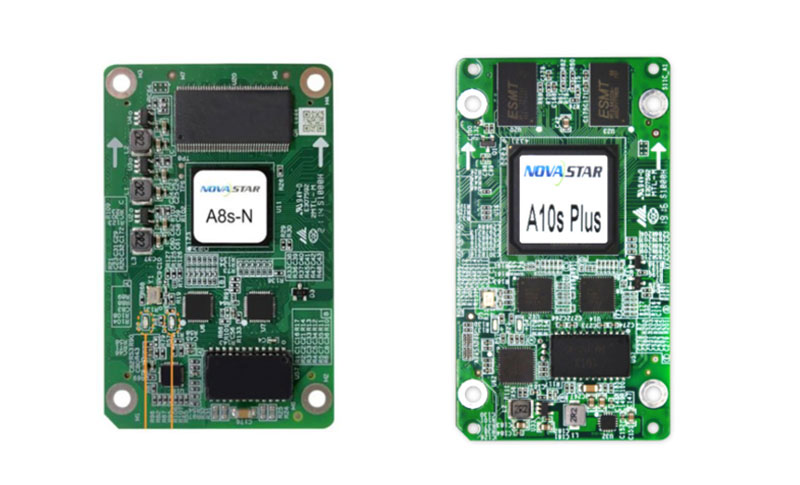
Use Nova H series two-in-one super splicing control and flagship receiver, Canova A8S/A10s Plus.
Analyze, process, and present the picture signal given by the playback system, and present the best display effect of clarity, grayscale, and color to bring an excellent stereoscopic visual experience.
(3) Multi-channel Media Broadcast Control Software and Video Server
Professional multi-channel media broadcast control software and decoder can support 8K~16K resolution video playback and support high-bitrate decoding, bottom-level optimization.
The video server running professional multi-channel media broadcast control software needs to use a professional graphics workstation (the ET4000 video server has built-in multi-channel media broadcast control software).
(4) Customized 3D Video Material
First, the material resolution must be customized point by point.
After selecting the main perspective, use 3D software to make a 3D structure based on the perspective relationship of the display shape.
Then, use 3D software to build and simulate a 3D perspective space. And with professional editing and rendering software, render a 3D stereo effect on the video material.
Finally, use professional multi-channel media broadcast control software and video server for decoding and playback to achieve the optimal presentation of spatial 3D dynamic effects.
Example of making a four-fold screen video material:
- Use 3DsMax to make the side and bottom picture stretch the trend
- Crop and deform in the editing software PR
- Unity makes the final perspective source
(5) Intelligent Central Control System
All graphics workstations, LED large screen control systems, control panels, audio systems, power supplies, machinery, and other equipment are connected to NovaStar intelligent central control Vunit2000.
Connect via RS232 or TCP/IP, and process actions with one click.
Performance: ms-level response, no packet loss, and no delay in multi-point distribution.
(6) Sound System
A high-fidelity sound system that evenly covers the scene in the full frequency band.
Usually composed of a multi-channel audio processor, power amplifier, full-range speakers, subwoofer, etc.
Core advantages of 3D LED Display For Museum
(1) Nova A8S/A10s Plus Flagship Receiving Card
The A8S/A10s Plus flagship receiving card has professional image quality engine technology and pixel-level optimization to enhance image quality.
The following key technologies are used to achieve more perfect results.
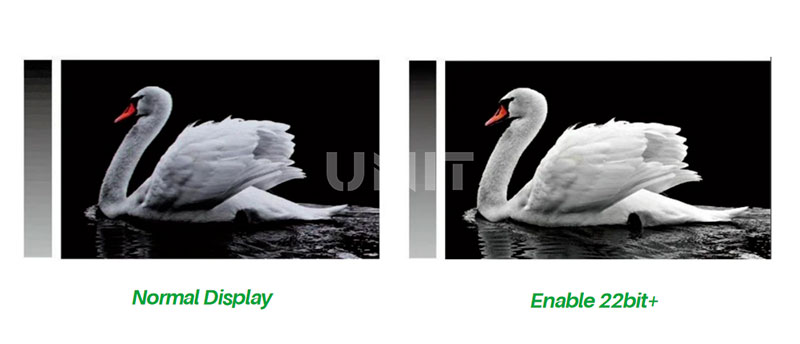
22bit+ technology
Achieve 64 times dynamic contrast improvement and 0.001 nits brightness precision control. When displaying low-gray images, dark details can still be fully revealed. The image is clearer and sharper, and the image display is more delicate and uniform.
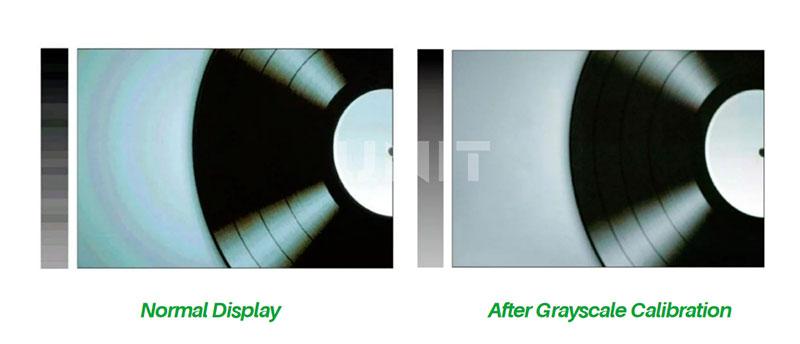
Fine grayscale technology
Use professional optical instruments to efficiently calibrate the 16-bit 65536-level grayscale of the driver IC step by step.
Make the LED screen display grayscale more accurately and the color transition more naturally.
Color management technology
Intelligent color management allows the display color gamut and the video source color gamut to match perfectly and eliminate color deviation.
(2) NovaStar H series Two-in-one Super Splicing Control
The architecture of the Nova H series two-in-one super splicing control is more streamlined. It not only reduces the number of devices, but also reduces 90% of the cables (power cables, video signal cables, etc.).
It greatly reduces the delay time in video transmission, has higher stability, and is easier to debug.
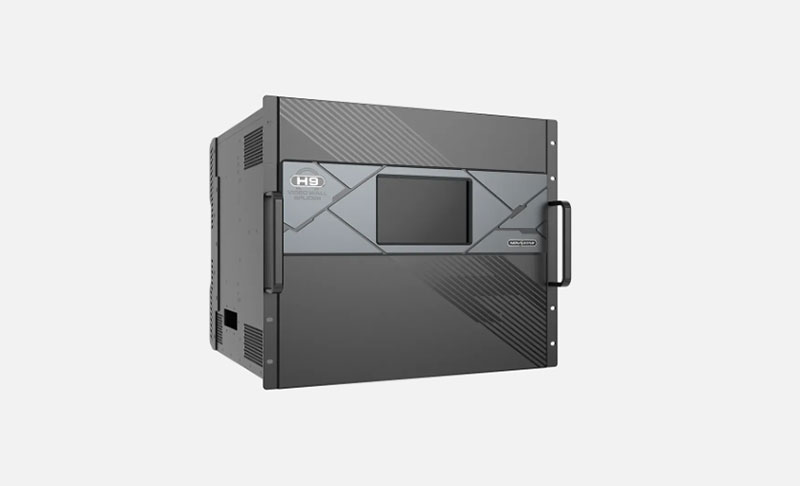
It mainly presents a more professional and stable solution through the following features:
- Supports complete and flexible control solutions. Whether it is a PC or a mobile terminal, the operation is simple and clear, and it can support quick visual control.
- Supports input EDID management and output timing customization
- Full-link true 4K processing support, the latest 10-bit transmission technology. Support HDR high dynamic range display
- The plug-in card splicer and the sending card are highly integrated, and the system architecture is more streamlined. Save at least 80% of DV cables, power cables and other wires
- A single device can replace up to 56 2K sending cards in the traditional solution. A single device supports up to 200 network port outputs, can be directly connected to LED receiving cards, and has a maximum load of 130 million (30K*4K)
- A single two-in-one output card has 20 network port outputs, a maximum load of 13 million, and both width and height can reach 10752. The load is not limited by the DVI interface, which is far greater than the 9.2 million load of the traditional solution
- Multiple two-in-one output cards do not need to be cascaded, and debugging is simple
7. Conclusion
Museum LED display screen has delicate picture quality, non-linear correction, fine and clear image effects; vivid and diverse animation effects; smooth and lifelike video effects.
UNIT LED provides you with a complete LED screen for museum solution! Including indoor LED display, creative LED display and floor LED display, etc.