What Is a Jumbotron Screen? | Ultimate Guide to Large Display
Jumbotron Screen Solution
Professional Jumbotron Screen Solutions for Stunning Visual Impact
Get Quotation Now!
Jumbotron Screen Solutions
Jumbotron screen solutions deliver powerful large-format visuals for outdoor advertising, commercial plazas, stadiums, and city landmarks. With bright LED display technology and flexible design, they help brands create immersive content, attract attention, and make every message stand out.
EV960 Series
Magnesium alloy cabinet
960*960mm size
Indoor & outdoor LED display
More Features
OF800 Series
Front service design
Easy installation and disassemble
Energy saving LED screen
More Features
ES960 Series
Energy saving LED screen
960*960m Cabinet
Aluminum Chassis Panel
More Features
Jumbotron Display Vs LED Video Wall
1. Main Meaning: Jumbotron usually refers to a giant screen used in stadiums, arenas, concerts, or public venues. An LED video wall is a broader term for a large display built from multiple LED panels.
2. Typical Use: A jumbotron is commonly used for live sports, replays, scores, and event broadcasting. An LED video wall is often used in retail stores, control rooms, stages, conference halls, churches, and commercial spaces.
3. Installation Style: Jumbotrons are often suspended, freestanding, or installed in large venue structures. LED video walls are usually wall-mounted, stage-mounted, or integrated into architectural spaces.
4. Scale: A jumbotron is usually very large and designed for long-distance viewing. An LED video wall can be small, medium, or massive, depending on the project.
5. Best Choice: Choose a jumbotron for stadiums, outdoor events, and large public viewing. Choose an LED video wall when you need a flexible display solution for indoor, commercial, or stage applications.
LED PANEL PRICE
Just fill the sizes, and get your led screen budget right now !
Applications of Jumbotron LED Display
Jumbotron LED displays deliver large-scale, high-impact visuals that make sports games, concerts, and public events more immersive and exciting.
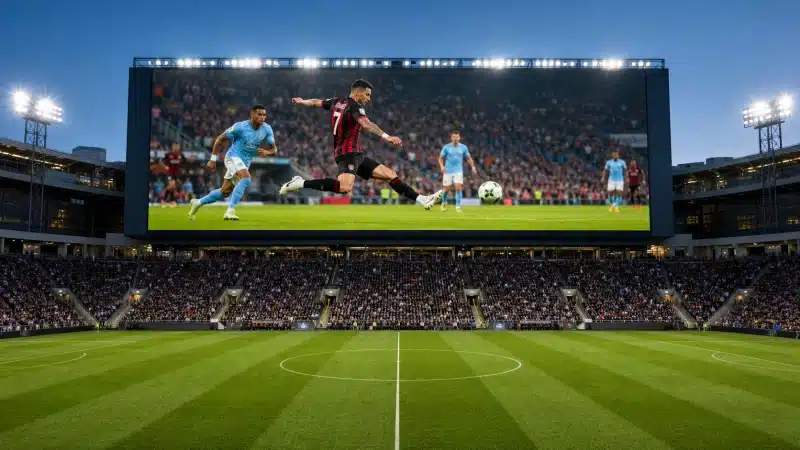
Stadiums and Sports Arenas
Jumbotron LED displays are widely used in stadiums and sports arenas to show live game footage, instant replays, scores, advertisements, and audience close-ups.
With a large viewing area and high-brightness performance, they allow spectators in every section of the venue to follow the action clearly, even from distant seats. They also help create a more exciting game-day atmosphere by combining real-time video, sponsor content, team visuals, and crowd interaction on one powerful display system.
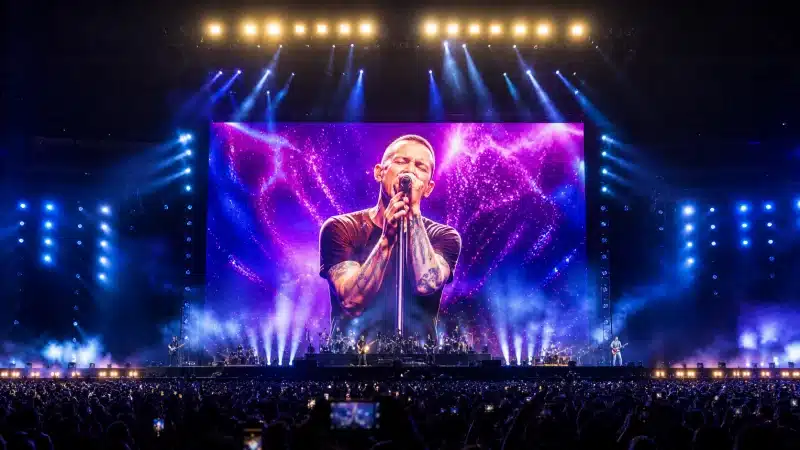
Concerts and Live Events
For concerts, music festivals, and large live performances, jumbotron screens help bring the stage closer to the audience. They can display live camera feeds of singers, bands, dancers, and speakers, while also showing colorful stage visuals, lighting effects, and branded event content.
This makes the entire venue feel more immersive, especially for audiences standing far away from the main stage. A well-designed jumbotron LED display can turn a large event space into a more connected and energetic visual experience.
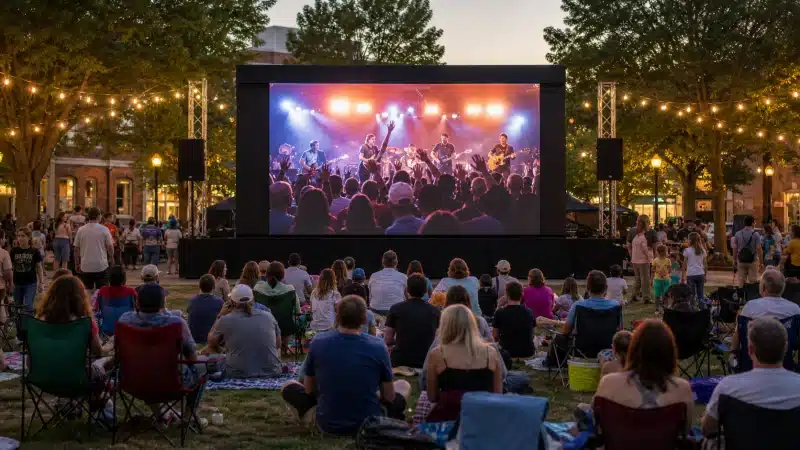
Outdoor Public Squares
In city plazas, parks, and public gathering areas, jumbotron LED screens are suitable for live broadcasts, cultural events, countdown shows, festivals, and public announcements.
Their large size and strong brightness make them easy to see in open outdoor environments, even when there is a large crowd or long viewing distance. They can also be used as a central visual point for community events, helping organizers share information, entertainment content, emergency messages, and live feeds with a wide audience in real time.
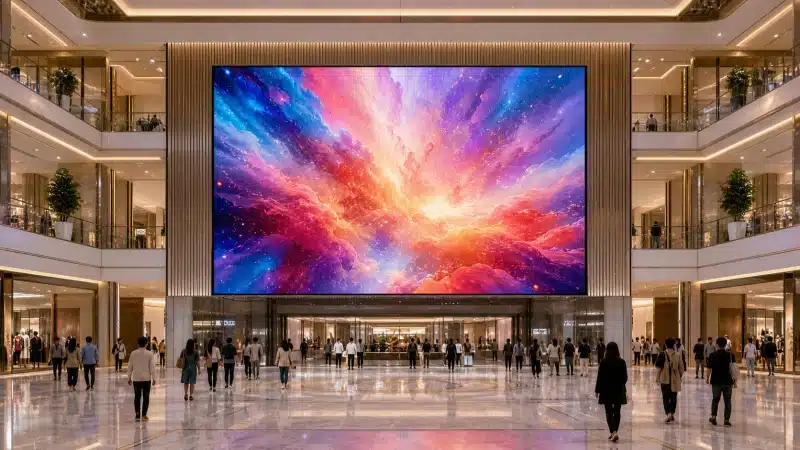
Shopping Malls and Commercial Centers
Jumbotron LED displays can be installed in shopping mall atriums, commercial centers, and large indoor public spaces to show brand promotions, digital art, event information, product launches, and advertising content. Because these areas often have high foot traffic, a large LED display can quickly attract attention and guide customer movement.
It also helps create a premium commercial atmosphere by turning empty wall space or central atrium areas into dynamic visual landmarks that support both marketing and customer engagement.
GET QUOTE NOW
UNIT LED Jumbotron Solutions
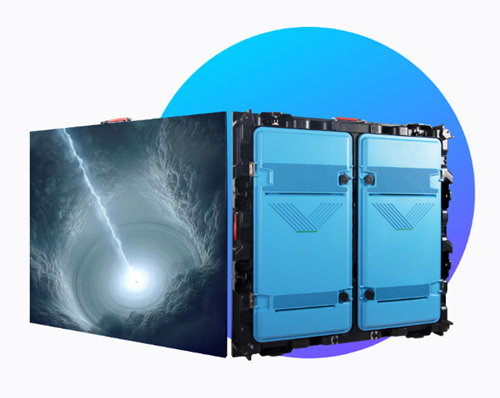
MA960 Series
-
Magnesium alloy cabinet design -
Indoor & Outdoor LED Display -
Standard size cabinet with 960*960mm dimension -
Fixed Installation, Rental, or Perimeter Sports -
High flatness, easy to install and disassemble
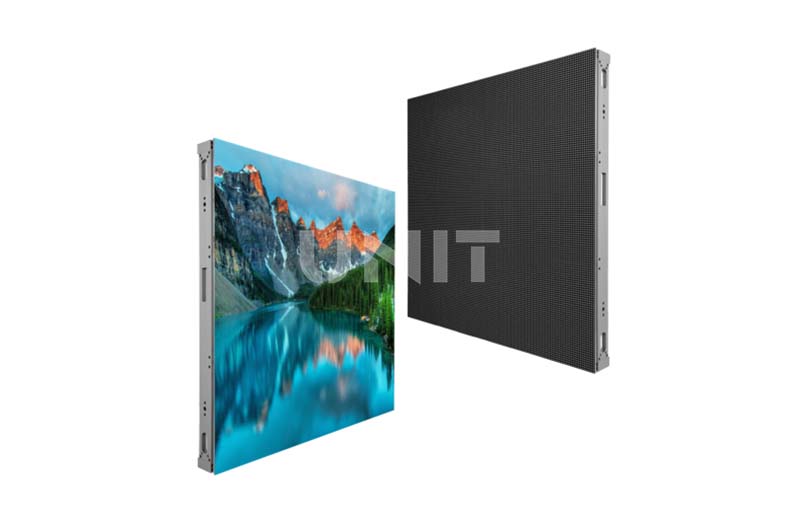
EV960 Series
-
Energy Saving LED Display -
High Protection Aluminum Chassis Panel Design -
960*960mm Dimension -
480mm*320mm Module Size -
Easy to Install and Disassemble
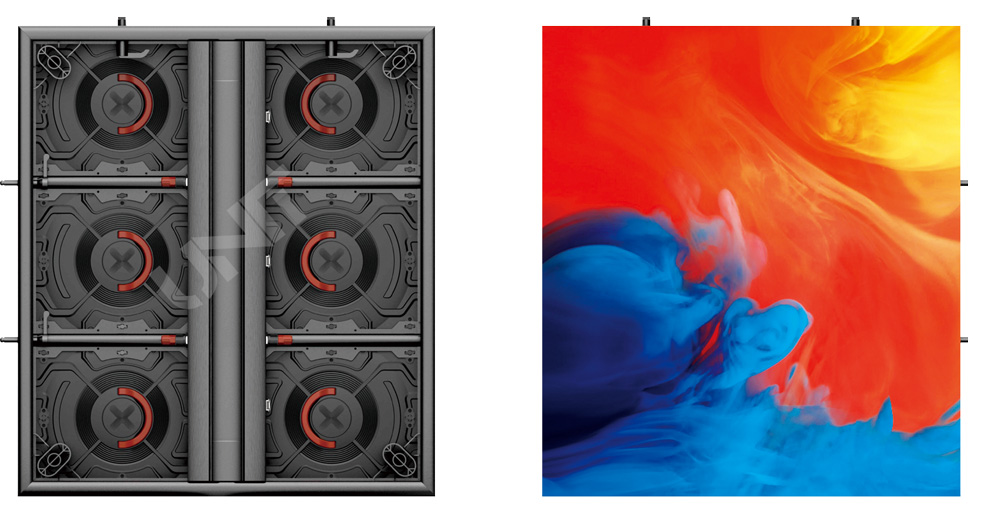
OF800 Series
-
800×900mm and 800×1200mm Size -
Front Service Design -
Energy Saving LED Screen -
Multiple Installation Methods -
Nakedeye Seamless 3D LED Display Design
Customer Cases
https://www.youtube.com/watch?v=JgHkvLvoKjkhttps://youtu.be/Ut7Rqd6qD2c?si=PiAIfFllmQuVTpqthttps://youtu.be/eMHxSLQRwwI?si=2-DyIiCXWtDTNEDthttps://youtu.be/ZrDV9GTGeZQ?si=eeTFsDmPTHbECklp
What Is Jumbotron Screen? Ultimate Guide 2026!
Imagine how to let distant audiences enjoy the game or concert in a stadium that can accommodate tens of thousands of people. The jumbotron screen makes it easy!
With extraordinary size and high-definition visual images, jumbotron video walls are creating a legend in the display field!
Follow us and learn more about the large-size video screen!
Table of Contents
1. What is a Jumbotron Screen?
A Jumbotron screen is a large, high-definition video display used in a variety of settings, such as sports stadiums, concert venues, outdoor advertising, and corporate events.
Designed to provide clear, bright visuals that can be viewed from a great distance, these screens are ideal for large events and public spaces.
What is a jumbotron screen? Simply put, it refers to a huge indoor or outdoor electronic video display device.
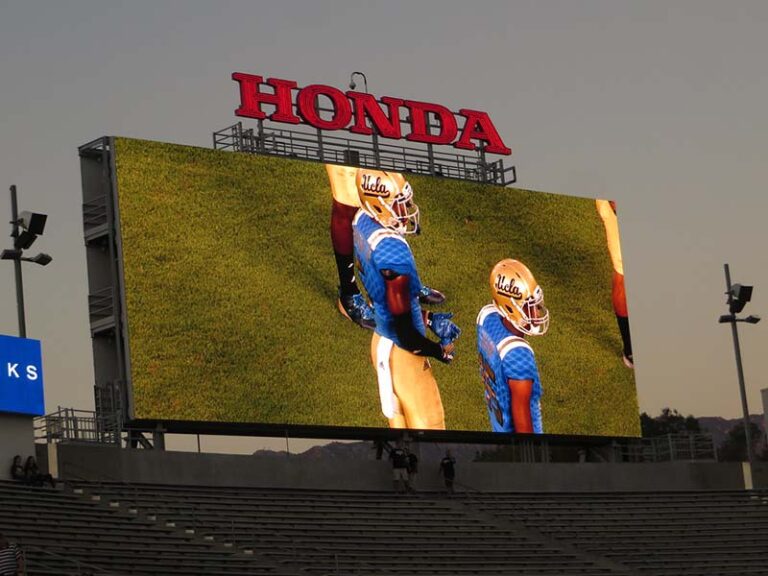
Key Features
Screen sizes are typically very large, ranging from a few feet to over 100 feet in width.
The high resolution ensures crisp, detailed images and videos.
Very bright and clearly visible even in direct sunlight.
Built to last, able to withstand changing outdoor weather conditions and frequent, long working hours.
1.1 Why is it called “Jumbotron”?
(1) Origin of the Jumbotron
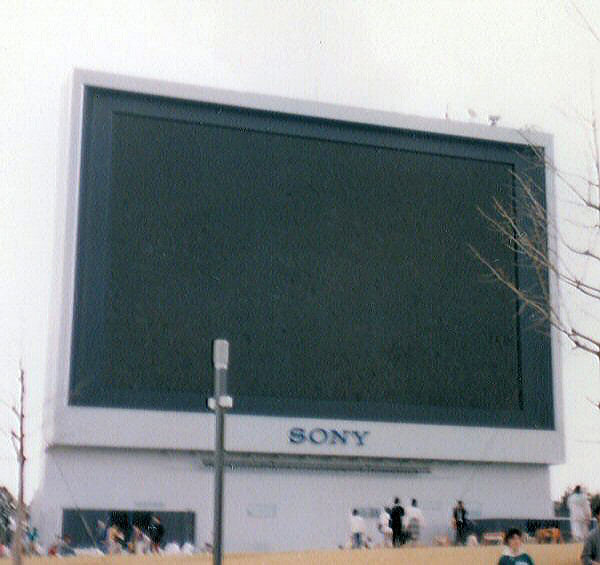
The term “Jumbotron” was originally a brand name coined by Sony Corporation for its large-screen video displays.
The name is a portmanteau of “jumbo” (meaning large) and “tron” (referring to electronics and technology, derived from the word “electronics”).
(2) History of Jumbotron Screen
The concept of the Jumbotron screen was introduced in the 1980s.
The first Jumbotron was installed in the Dallas Cowboys’ Cotton Bowl stadium in 1980, setting a new standard for large video displays in sports and entertainment venues.
(3) Popularity of Jumbotrons
The name “Jumbotrons” has since become a generic term used to refer to any large video display. This is suitable even for giant LED screens not manufactured by Sony.
The term has become synonymous with large, high-impact visual displays in a variety of public and private venues.
2. How Does A jumbotron Work?
2.1 Basic Components of a Jumbotron Screen
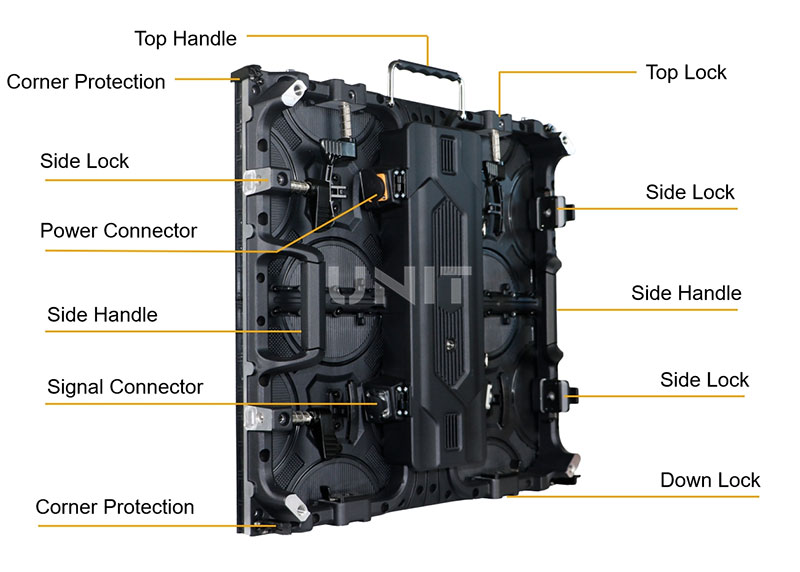
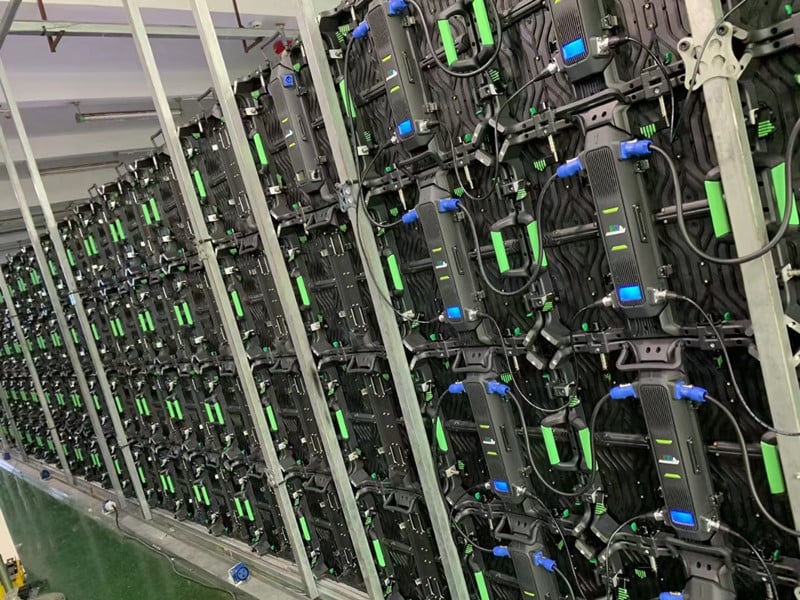
(1) Display Panel
The main component of a Jumbotron screen is the display panel, which consists of a grid of individual pixels.
Video panels use various technologies such as LED (light emitting diode) or LCD (liquid crystal display) to generate images and videos.
LED Display Panel
(2) Control System
The control system (usually a computer or a dedicated media server) manages what is displayed on the screen.
Large LED display control systems receive input from various sources such as cameras, video sources, and digital content.
(3) Video Processor
The video processor is responsible for scaling and processing the input signal to match the resolution and aspect ratio of the Jumbotron screen.
(4) Power Supply
Giant LED screens require a lot of electricity. Its power supply system is designed to ensure stable and reliable operation.
(5) Installation Structure
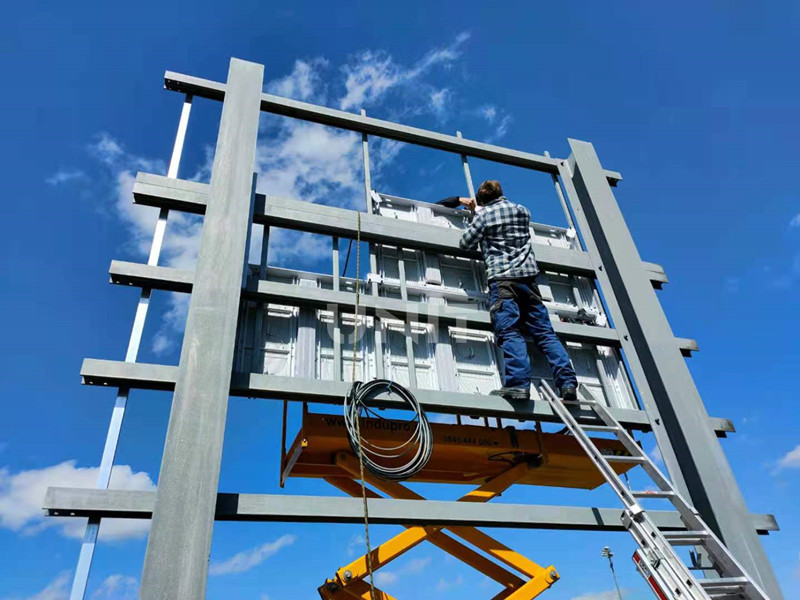
Giant LED screens require a stable mounting structure to ensure the stability and safety of the screen.
For example, a steel frame or truss system.
2.2 Jumbotron Screen Technology
(1) LED (light emitting diode)
Most modern Jumbotron screens use LED technology. LEDs are arranged in clusters or matrices to form a display screen.
They are known for their high brightness, energy efficiency, and long life. LED panels are usually available in full-color or monochrome configurations.
(2) LCD (Liquid Crystal Display)
Some older or less common Jumbotrons use LCD technology. LCD panels use liquid crystals to modulate light and create images.
While effective, LCD screens generally cannot match the brightness and outdoor performance of LED displays.
2.3 How Images and Videos Are Displayed
(1) Signal Transmission
The control system sends digital signals to the large jumbotrons. These signals include information about the images and videos to be displayed.
(2) Pixel Activation
In a huge LED screen, each pixel is made up of red, green, and blue LEDs.
By varying the brightness of these LEDs, the screen can produce a variety of colors and shades.
In an LCD screen, pixels are controlled to allow light to pass through or be blocked to produce the necessary colors and images.
(3) Refresh Rate
Big LED display continuously refreshes the display at a high rate to provide smooth and clear motion. This is especially important for dynamic content such as sports or live events.
2.4. Connectivity and Integration
A jumbotron can receive input from a variety of sources. This includes live video feeds, pre-recorded content, and digital signage systems.
They are often integrated into a network to allow for remote control and updates, making it easier to manage content and troubleshoot issues.
2.5 Installation and Maintenance for Large LED Screen
Through clear calls to action, such as visiting a website, downloading an app, ordering a product, etc., electronic bill boards can directly drive sales and conversions.
For example, information about limited-time offers and promotions can spread quickly.
Calls to action attract consumers to take immediate action, thereby increasing sales performance.
https://youtu.be/Gcpbl60uloY?si=Y6IJvP3-aebrAMq3
(1) Installation
Jumbotron screens are often installed in a large frame or structure that can support their weight.
You can mount it on a stand or integrate it into the architecture of a stadium or venue.
(2) Calibration
After installation, electronic LED screens require calibration to ensure color accuracy and brightness.
This process involves adjusting settings to match the intended visual output.
(3) Maintenance
Regular maintenance is essential to ensure the lifespan and optimal performance of a large LED video wall.
This includes cleaning the screen, checking connections, and repairing any damaged components.
https://youtu.be/pIQ9MICI9iI?si=aqaQD5pfn8YaBAv_
In summary, LED jumbotron screens deliver clear, bright, and dynamic visual content on a large scale by combining advanced display technology, powerful control systems, and high-quality processing.
3. What is a Jumbotron Used For?
Jumbotrons are versatile, large-scale display screens used in various settings to provide high-visibility video and image content to large audiences.
Here are some of the primary uses:
3.1 Stadium Jumbotron Screen
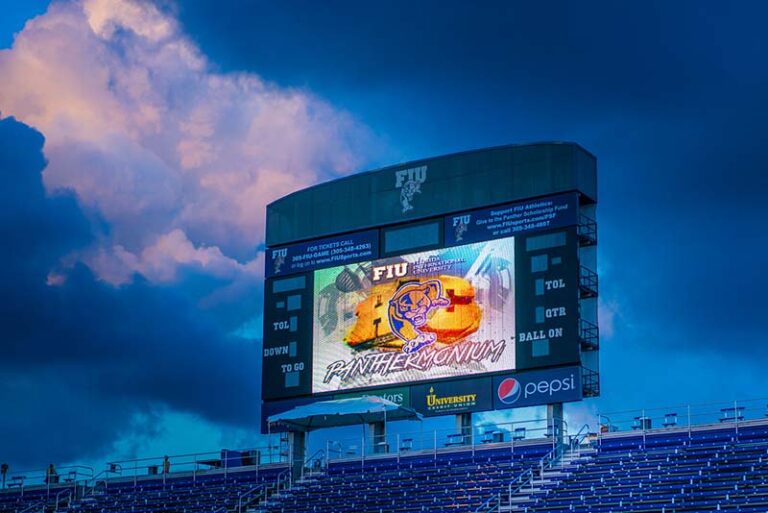
(1) Football Jumbotron
Football jumbotrons can enhance the fan experience in large football matches.
They display live game action, instant replays, player statistics, and important announcements.
They also serve as a platform for advertisements and promotions, contributing to the stadium’s revenue.
(2) Other Sports
Besides football, Jumbotrons are used in baseball, basketball, hockey, and other sports events.
Modern stadium Jumbotrons may include interactive features such as fan cams, live polls, and social media integrations, encouraging audience participation and engagement.
3.2 Outdoor Jumbotron Screen
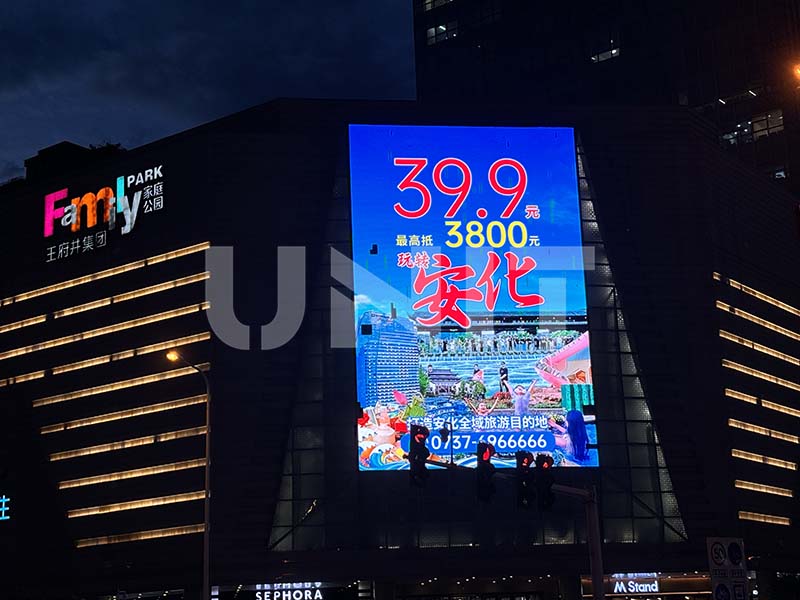
(1) Concerts and Festivals
Outdoor jumbotrons are widely used at music concerts and festivals to ensure that large audiences can see the performers.
(2) Outdoor Advertising
Jumbotron screens serve as powerful advertising tools in high-traffic areas like city centers and highways.
Dynamic, eye-catching advertisements on jumbotron screens can attract the attention of pedestrians and drivers.
3.3 Indoor Jumbotrons
(1) Theaters and Venues
Large indoor venues such as theaters, auditoriums, and arenas use jumbotron video walls to show event-related content, such as close-up views of performers, audience interactions, and multimedia presentations.
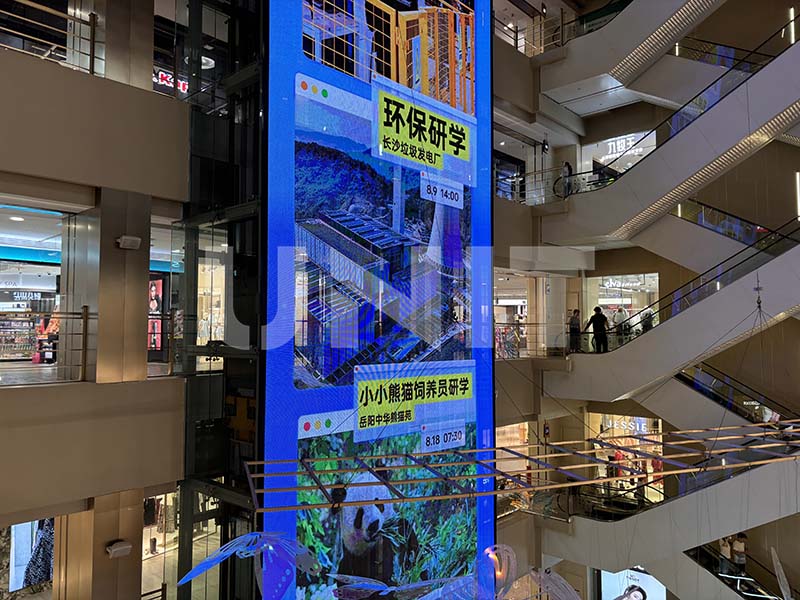
(2) Shopping Malls and Retail
In retail environments, indoor large video walls show advertising products, showcasing promotions, and providing entertainment to shoppers. It creates an immersive shopping experience.
3.4 Jumbotron Rental Screen
Jumbotron rental LED video wall provides excellent visual effects for audiences on large concerts and concert stages.
At the same time, it also provides the audience who are far away from the stage with the opportunity to enjoy the performance. Rental LED Jumbotron cabinets are convenient and lightweight.
In a word, jumbotrons are used in various applications to enhance visual communication and engagement with large audiences.
Whether in stadiums, outdoor events, or indoor venues, rental LED displays provide high-quality, dynamic content that captivates and informs viewers.
4. World’s Largest Jumbotrons
4.1 The Big Hoss TV
The Big Hoss TV is located at the Texas Motor Speedway in Texas, USA.
The screen measures 218 x 94.6 feet (about 66.4 x 28.8 meters).
During the racing, it displays real-time racing images, advertisements, and audience interactive content.
4.2 AT&T Stadium Jumbotron Screen
AT&T stadium jumbotron ccreen is located at the home of the Dallas Cowboys in Arlington, Texas, USA.
The screen measures 160 x 72 feet (about 48.8 x 21.9 meters).
The screen is used to display real-time images of football games, instant replays, player information, and advertising content.
As one of the world’s largest indoor video display screens, it provides viewers with clear visual enjoyment.
4.3 Mall Taman Anggrek LED Display
The Mall Taman Anggrek LED screen is located on the exterior wall of the Taman Anggrek shopping mall in Jakarta, Indonesia.
The dimensions of the screen are 820 x 72 feet (about 250 x 22 meters).
The screen is mainly used for advertising display, information release and public events.
As one of the largest LED walls in the world, it has become an iconic visual element of the shopping mall.
4.4 Fremont Street Experience
Fremont Street Experience is located in downtown Las Vegas, Nevada, USA.
The screen is 1,500 feet long and 90 feet wide.
This is an open-air LED screen arcade used to display light shows, music videos and advertisements.
The screen is one of the biggest jumbotron screens in the world
and provides visitors with a unique audio-visual experience.
4.5 Las Vegas Sphere
The Las Vegas LED Sphere is the largest spherical structure in the world. Its diameter is 366 feet (about 111.6 meters) and its height is 516 feet (about 157.3 meters).
The surface of the structure is covered with 580,000 square feet (about 53,882 square meters) of LED display, making it the largest programmable display in the world.
The interior of Las Vegas Sphere is an advanced entertainment and performance venue. It is designed to provide audiences with an unprecedented audio-visual experience.
Outside – Sphere LED Display
Inside – Stage LED Screen
4.6 Shanghai International Port Group (SIPG) Center
The outdoor jumbotron of Shanghai International Port Group Center (SIPG Center) is installed on the exterior wall of the building.
The size of the screen is 200 x 33 feet (about 61 x 10 meters).
It is mainly used for advertising and public information display and is one of the largest exterior wall LED screens in Asia. It adds a modern visual element to the urban landscape.
These huge Jumbotron screens are widely used in sports events, public events, advertising and entertainment due to their excellent picture quality and versatility.
5. Key Difference Between Jumbotron Screen vs LED Video Wall
A Jumbotron Screen was originally a trademark by Sony in the 1980s, mainly used for giant displays in stadiums and arenas. Early models used CRT technology and later transitioned to LED. Today, “Jumbotron” is more of a general term for very large screens.
An LED Video Wall, on the other hand, is a modular display system made of multiple LED panels seamlessly tiled together. It represents the modern standard for high-resolution, scalable displays used across diverse industries.
| Feature | Jumbotron Screen | LED Video Wall |
| Origin | Sony brand (1980s), refers to giant screens | Modular LED panel system |
| Technology | Early CRT, later LED | Advanced LED with fine pixel pitch |
| Scalability | Fixed large installations | Fully customizable in size and shape |
| Resolution | Early: low, modern: moderate | Wide range, supports HD, 4K, 8K |
| Applications | Stadiums, concerts, outdoor events | Retail, exhibitions, events, corporate, control rooms |
| Key Traits | Iconic, historical, large-scale | Flexible, high-definition, modern, versatile |
6. Jumbotron Price – How Much Does It Cost?
Jumbotron prices vary based on a number of factors, including screen size, resolution, technology type, installation requirements, and the vendor’s service level.
Here are some of the main factors that affect Jumbotron prices and approximate price ranges:
5.1 Jumbotron Screen Size
Different Screen Size – Jumbotron Price
|
Screen Size |
Applications |
Jumbotron Price |
|
|
Small Jumbotrons |
10-20 feet wide |
smaller events or indoor venues |
about $10,000 to $50,000 |
|
Medium Jumbotrons |
20-50 feet wide |
medium-sized venues or larger outdoor events |
range in price from $50,000 to $200,000 |
|
Large Jumbotrons |
50 feet and up |
large stadiums, large events, or advertising |
$200,000 to millions of dollars or more |
5.2 Resolution
High-resolution screens are typically more expensive than low-resolution screens.
For example, a Jumbotron with a resolution of 4K or higher will cost significantly more than a standard HD screen.
5.3 Technology Type
LED is the most commonly used Jumbotron technology today. LED jumbotron cost varies depending on brightness and color rendering capabilities.
LCD: Although less used for large outdoor displays, it still exists in certain specific applications.
In general, comparing LCD and LED displays, LED screens are more expensive than LCDs.
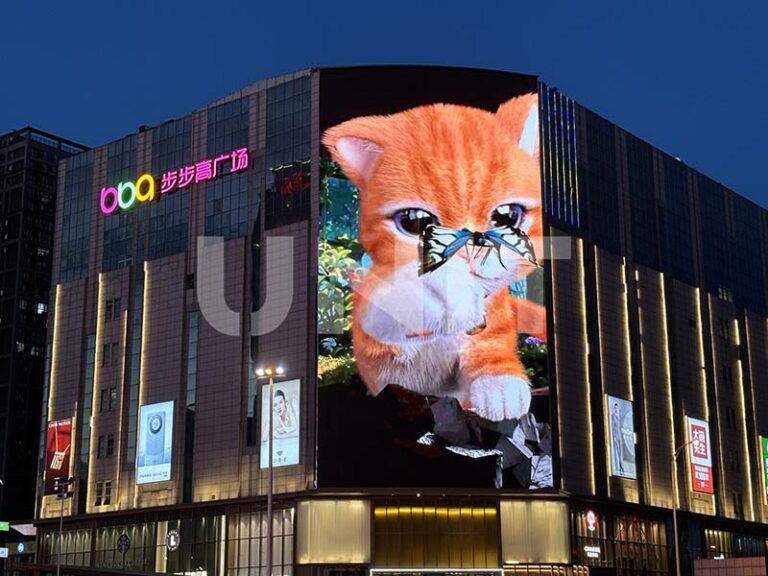
5.4 Installation and Maintenance
Installation costs include mounting structures, rigging, wiring, etc. Complex installation requirements may increase costs.
Maintenance costs include regular cleaning, troubleshooting, and repairs.
Typically, vendors will provide maintenance services, and the cost may vary depending on the service level and contract terms.
5.5 Other Costs
Content Management System (CMS): A software system used to control and manage display content.
For temporary use, leasing a Jumbotron may be a more economical option.
7. Buy vs Rent A Jumbotron: Which One is Better?
When deciding whether to buy or rent a Jumbotron, there are several factors to consider.
These include cost, flexibility, convenience, and after-sales service and maintenance.
Here is a detailed comparison of the two options:
(1) Cost Analysis
Jumbotron Screen Cost Analysis
|
Buy |
Rent | |
| Initial Cost | Higher prices ranging from tens of thousands to millions of dollars, depending on the size, resolution, and technology type of the screen | Lower price: covers the cost of using the screen, installation, and removal. The leasing price varies depending on the size, duration, and type of event of the screen. |
| Long-term Cost | Long-term cost of use is lower, no lease fees | Long-term rentals may accumulate higher total costs, especially with frequent use. |
| Value Added | Fixed assets may increase | |
| Short-term Cost | More economical option for short-term use |
(2) Flexibility and Convenience
Flexibility
-
Buy
Purchasing a Jumbotron provides flexibility for long-term use. Users can use it at any time according to their needs, regardless of the rental period and availability.
-
Rent
Rental is particularly suitable for temporary activities or one-time events. Users can choose the appropriate screen size and specifications according to their specific needs.
Convenience
-
Buy
It is more convenient and faster to not need to adjust the equipment every time it is used.
-
Rent
Rental companies usually provide a full range of services, including installation, operation and removal, which reduces the burden on users. Renting can avoid the problem of technological obsolescence because users can choose the latest equipment.
(3) Maintenance and support
After purchase, the responsibility for maintenance and upkeep is borne by the owner.
Regular cleaning, inspection, and repair are required, and professional technicians may need to be hired.
Rental contracts usually include comprehensive maintenance and support services.
The leasing company is responsible for technical support, equipment commissioning and troubleshooting, which provides convenience for users.
(4) Which is Better For You?
For those users with long-term and frequent use needs, purchase is more suitable. Such as stadiums, entertainment companies, and advertisers.
Renting a Jumbotron is more suitable for short-term activities, one-time events, or uncertain use needs.
It provides low initial cost and extremely high flexibility. Users can choose the right equipment according to the needs of the event.
8. UNIT LED’s Jumbotron Solutions
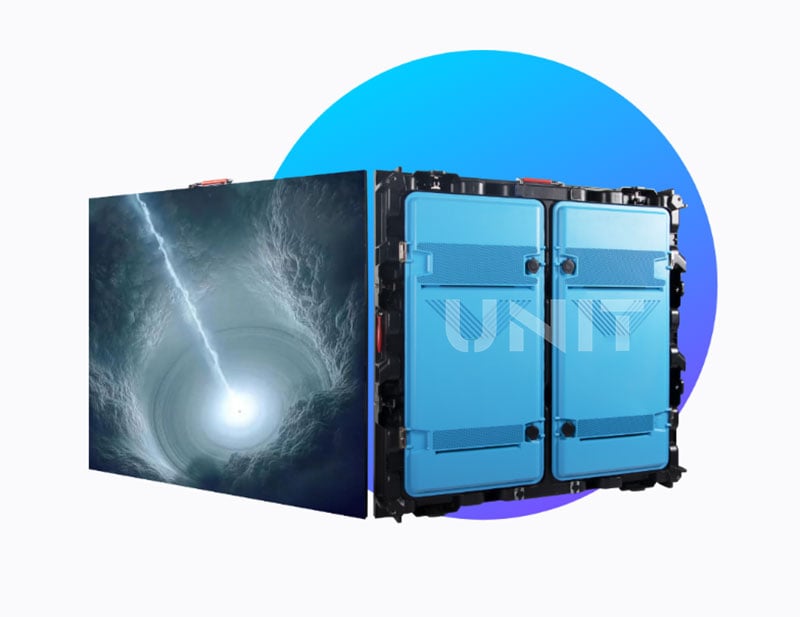
(1) Indoor & Outdoor MA960 Series
https://youtu.be/QNLgqa5ylpI?si=fOYZ10oFy-0vpzCK
Learn More
-
960*960mm Magnesium Alloy LED Display -
Pixel Pitches Range From P2.5mm-P10mm -
320X160mm LED Module for Rear Service -
320X320mm LED Module for Double Service -
Ultra Lightweight Cabinet Design -
Seamless Splicing With HD Visual Effect -
Multi Installation Way of Cabinet
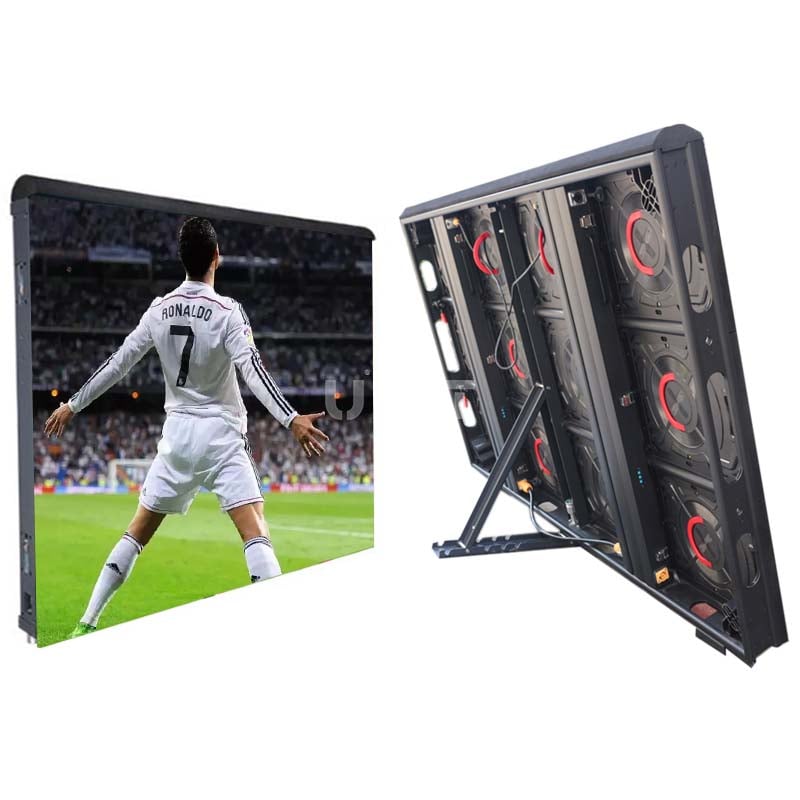
(2) OF800-S Series For Jumbotron Screen
https://youtu.be/6I_fL75_pq0?si=1x0O482OAxu6Dnj-
Learn More
-
Unique Cabinet Design with 800×900mm and 1600×900mm Size -
Compatible with P4.16/P5.0/P6.25/P8.33/P10mm -
Front Service Design for Easy Installation and Disassembly -
Energy-saving LED Screen -
Adjustable Bracket & Soft Mask, Soft Rubber -
Perfect Cabinet Design for Sports Event -
CE, Rohs Approved & 3-year Warranty and 3% Spare Part
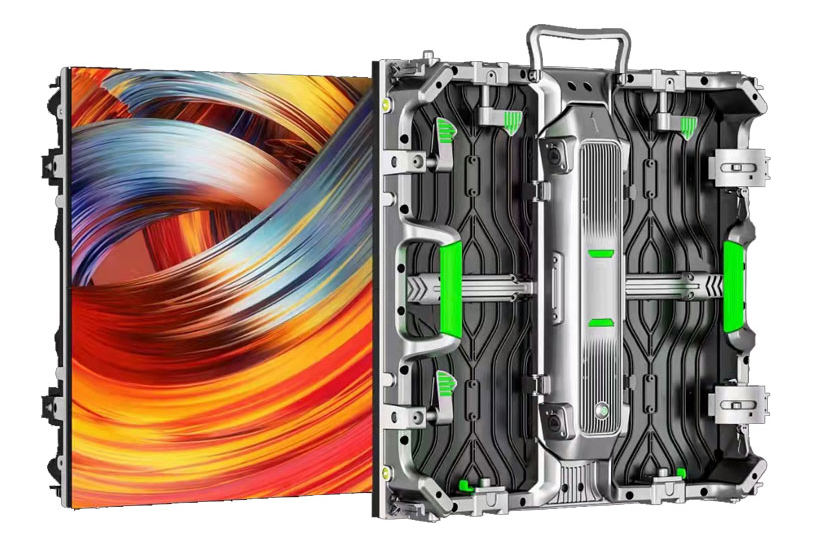
(3) NG Series for Stage Jumbotron Rental Screen
https://youtu.be/slZTpzB5jfg?si=IvLymulgVOX3RUqw
Learn More
-
Lightweight and Thin 500*500, 500*1000mm Cabinet -
Compatible with P2.604mm/P2.976/P3.91/P4.81mm -
Support Right Angle or Curved Installation (Optional) -
Indoor & Outdoor Jumbotron Rental is Available -
Dual Service with Front and Rear Maintenance -
Detachable Back Cover Box -
Multi Installation Way of Cabinet
9. Jumbotron Screen FAQs
What is the purpose of a Jumbotron?
A Jumbotron is used for large-scale video displays at stadiums, concerts, and public events, providing live footage, advertisements, and real-time updates.
What is the function of a Jumbotron?
It enhances audience engagement by displaying live broadcasts, replays, scores, and advertisements on a large LED screen.
What is another name for a Jumbotron?
It is also called a giant LED screen, video scoreboard, or big screen display.
How big is a Jumbotron screen?
Sizes vary, but they typically range from 20 feet to over 100 feet wide, depending on the venue.
The name “Jumbotron” was originally a Sony trademark for its large video display technology, but it has become a generic term for giant screens.
What is the biggest screen in America?
The Big Hoss TV at Texas Motor Speedway is the largest, measuring 218 feet wide and 94.6 feet tall.
10. Conclusion
This blog shows you some knowledge about jumbotron screen, including what a jumbotron is, its types, application areas, and how to decide whether to buy or rent one. With its super-large size and high-definition dynamic images, jumbotron screens will make your content stand out! Join us to start a new journey of modern display!