Fixed and Rental LED Displays: Differences & Choosing Guide
In today’s immersive digital landscape, a custom LED display has become the ultimate medium for grabbing attention, conveying brand messages, and transforming environments. Unlike off-the-shelf LED screens, customized LED displays can be shaped, sized, and programmed to exact specifications, whether that’s a retail display, an advertising jumbotron screen, a dynamic corporate lobby wall, or an interactive museum installation.
This guide walks you through every aspect of custom LED display creation, from initial concept to how to customize LED display solution for your project, helping you understand why and how to harness its full potential.
Table of Contents
1. What Is a Custom LED Display?
A custom LED display is any LED-based screen designed and manufactured to meet unique spatial, aesthetic, or functional requirements. Key characteristics of a customized LED display include:
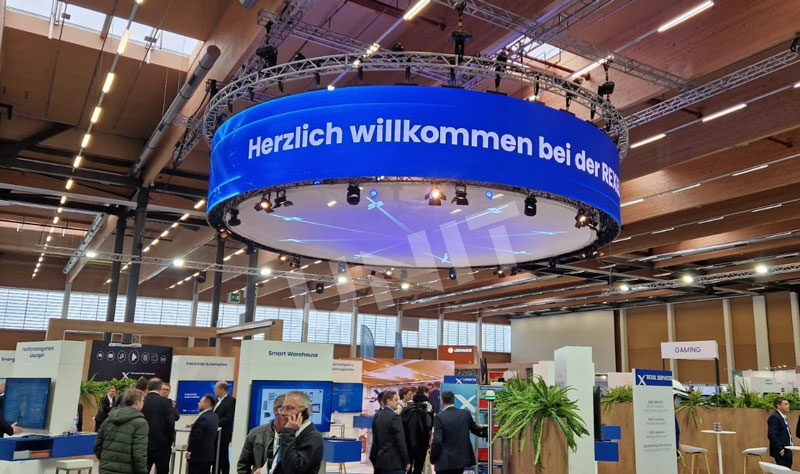
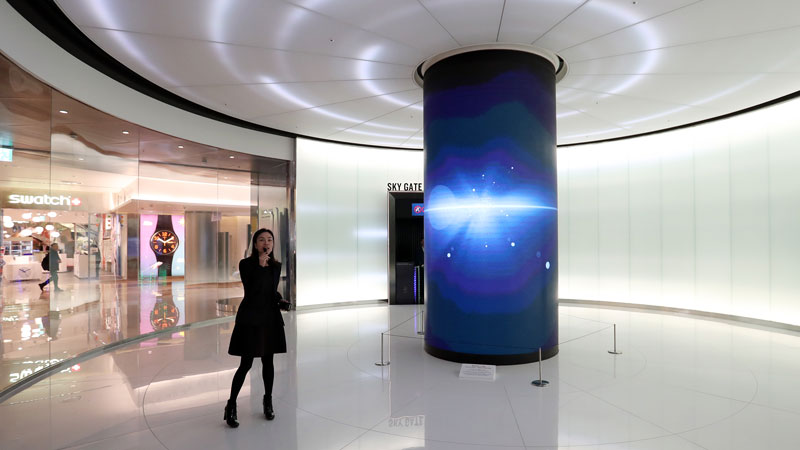
● Bespoke Form Factor: LED screen panels can be cut or arranged into any shape, curves, circles, freeform art pieces, or building facades, perfectly fitting irregular walls, columns, or ceilings without wasted space.
● Customized Resolution: Pixel pitch is selected based on the closest viewing distance and content detail needed, ranging from ultra-fine (P0.9 mm) for up-close installations to coarse (P6 mm+) for large-scale outdoor LED screen.
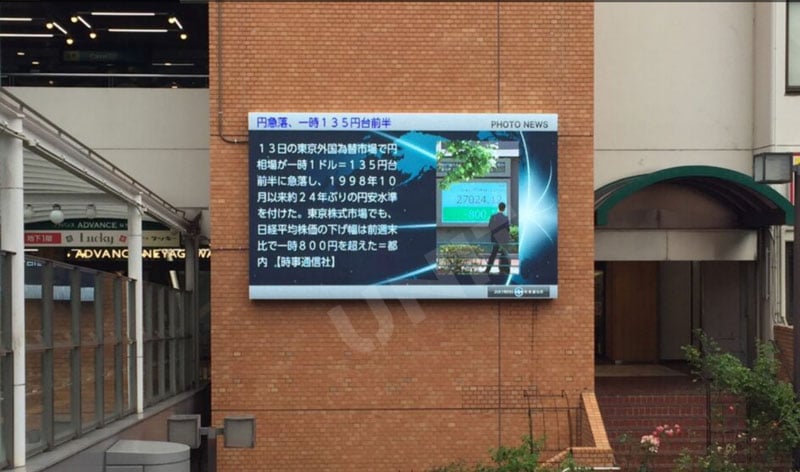 P6.67
P6.67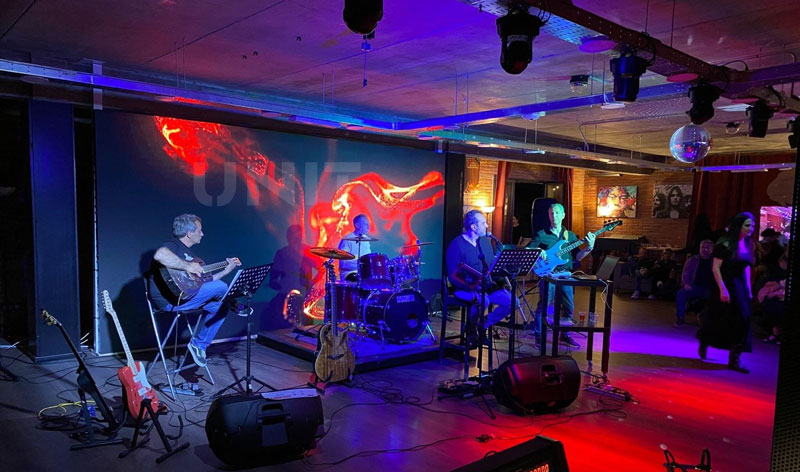 P3.91
P3.91
● Optimized Performance: Brightness levels, screen contrast ratio, refresh rates (often ≥ 3,840 Hz for broadcast-quality motion), and viewing angles are individually specified to suit ambient lighting conditions, audience sightlines, and camera-capture requirements.
● Integrated Functionality: Custom LED display solution can include touch or gesture interactivity, environmental sensors, AR/VR synchronization, or IoT connectivity, turning a static screen into an immersive, data-driven experience.
● Seamless Aesthetics: Precision mechanical engineering and custom enclosures, using materials like die-cast aluminum or transparent panels, ensure tight seams, uniform color calibration, and visual harmony with architectural elements.
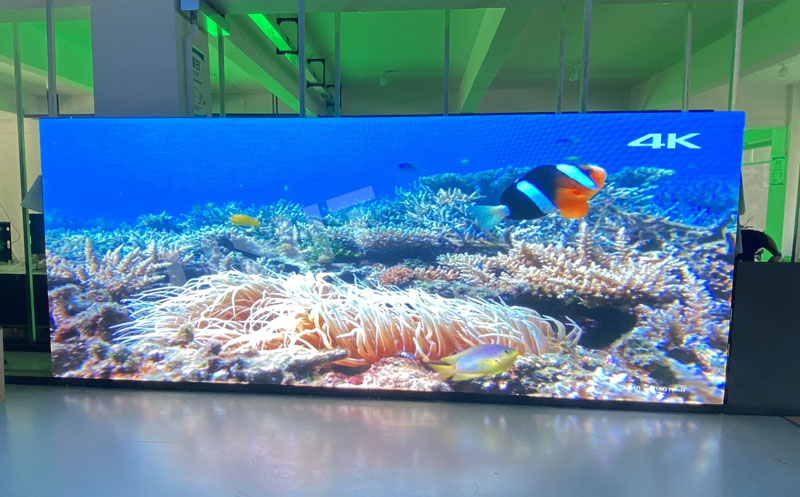
By combining modular LED technology with creative engineering and software control, customized LED displays deliver memorable, high-impact visuals that reinforce brand identity and engage audiences in any environment.
2. Why Go Customized? Key Advantages
Custom LED display visual solutions offer transformative benefits over standard LED screen solutions, empowering brands and venues to deliver striking, purpose-built visual experiences. Customized LED display solutions can not only customize the LED screen size but also the shape of the LED screen. Here are the key advantages:
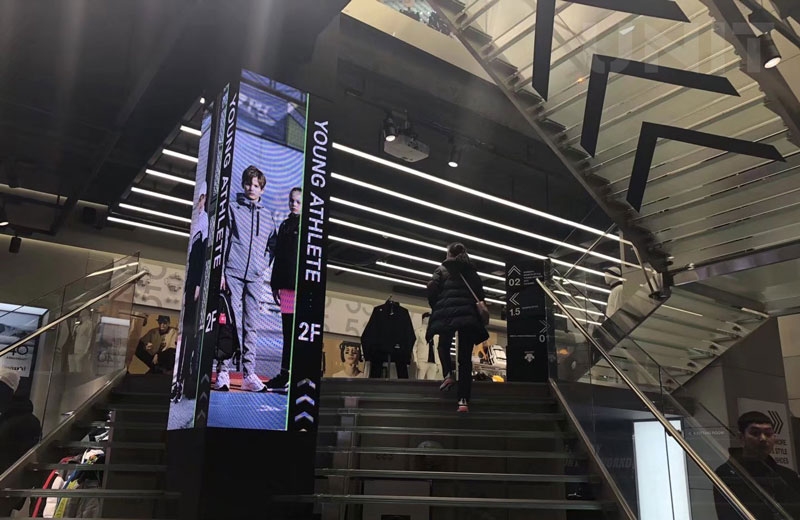
① Perfect Fit for Any Space
Off-the-shelf LED panel solutions come in fixed sizes and aspect ratios. Customized LED displays, even irregular shapes like circles, arches, or freeform sculptures, seamlessly fill unique architectural features (columns, curved walls, ceiling planes) without wasted material or unsightly gaps.
② Tailored Visual Performance
By selecting the exact pixel pitch, brightness, and refresh rate for your environment, you avoid over-specifying (and overpaying for) unneeded resolution. Fine-pitch modules (P0.9–P2 mm) deliver crisp imagery up close, while coarser pitches (P6 mm+) ensure readability at a distance, all calibrated to ambient light and viewing angles.
③ Brand Differentiation & Impact
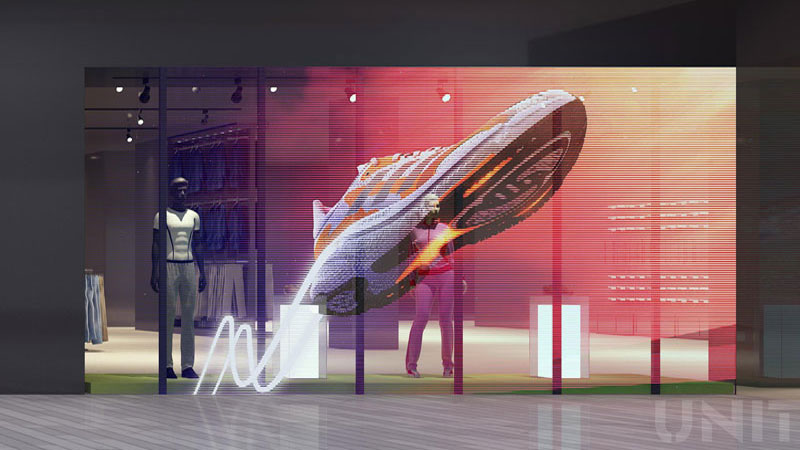
A one-of-a-kind LED installation becomes a signature brand statement. Whether it’s in a retail flagship, an immersive video wall in a corporate lobby, or interactive art in a public space, a custom LED display solution can captivate audiences and reinforce brand identity in ways standard screens simply can’t.
④ Integrated Interactivity & Functionality
Custom LED display solutions can embed touch, gesture controls, environmental sensors, cameras, or AR/VR synchronization. This turns passive displays into dynamic, data-driven experiences, responding to audience movement, real-time data feeds, or personalized content triggers.
⑤ Operational Efficiency & Maintainability
Engineered as modular, service-friendly units, a custom LED display screen often features front-access maintenance, hot-swappable boards, and built-in diagnostics. Smart power zoning and adaptive brightness profiles reduce energy consumption and extend lifespan.
⑥ Seamless Aesthetics
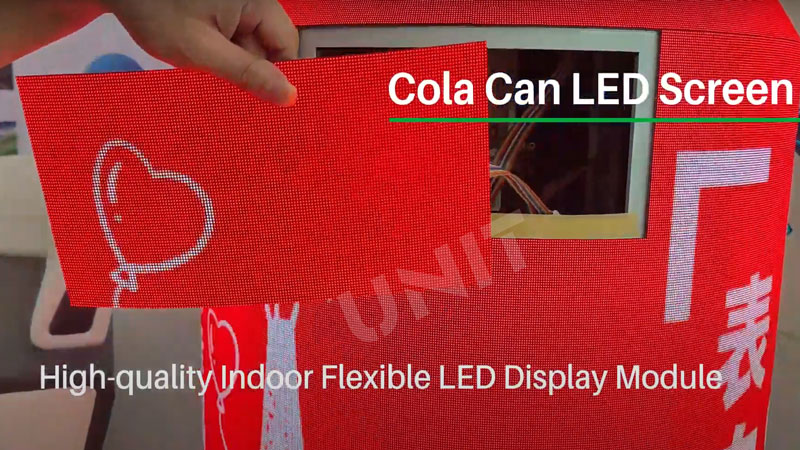
Precision mechanical design and bespoke enclosures, using premium materials like die-cast aluminum or transparent panels, ensure tight seams, uniform color calibration, and perfect visual integration with surrounding architecture.
By aligning every technical and aesthetic element to your exact needs, customized LED display solutions deliver maximum visual impact, operational efficiency, and a distinctive brand experience that off-the-shelf solutions can’t match.
3. Core Components of a Customized LED Display
A custom LED display screen is built from several specialized subsystems, each finely tuned to your project’s shape, performance, and interactivity requirements:
① LED Modules & Pixel Pitch
Pixel Pitch defines image sharpness and is chosen based on the closest viewing distance.
- Fine pitch (P0.9–P2 mm): for up‑close viewing (< 3 m) in retail, broadcast, or control rooms.
- Medium pitch (P2.5–P4 mm): ideal for corporate lobbies or trade show booths where viewers stand 3–10 m away.
- Coarse pitch (P6–P16 mm): suited for large outdoor installations where the audience is 10+ m from the screen.
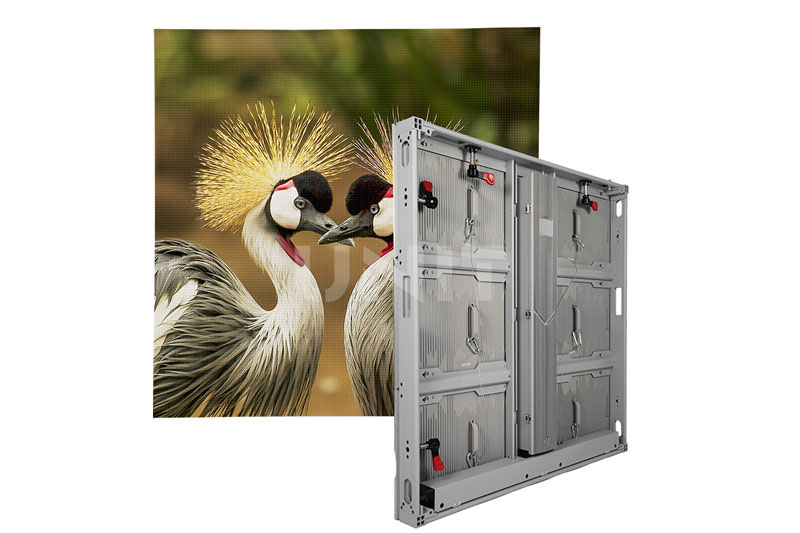
Modules are the individual tiles or “cabinets” that snap together to form your full display.
- Standard modules for rectangular walls.
- Custom-cut modules, flexible strips, or polygonal cabinets for curves and geometric shapes.
② Control Electronics
Sending Cards (media servers or PCs): encode video inputs (HDMI, DVI, SDI) into network packets.
Receiver Cards: decode packets at each module, driving LEDs at high refresh rates (≥ 3,840 Hz) to prevent flicker and ensure smooth motion.
③ Power Supply & Distribution
PSUs convert AC mains (110–240 VAC) into stable DC rails (commonly 5 V for LEDs, 24 V for logic).
Power cabling and redundant circuits ensure even voltage and protect against single‑point failures.
④ Cabling & Networking
Data links (CAT5/6 Ethernet, fiber, or proprietary ribbon cables) carry pixel data across complex geometries.
Network topology is planned to minimize latency and isolate faults for easy troubleshooting.
⑤ Enclosures & Structural Frame
Cabinet construction (plastic, aluminum, die‑cast) is selected for weight, heat dissipation, and environmental sealing (IP ratings).
Custom frames and mounting hardware (curved rails, hanging trusses) adapt the display to irregular walls, columns, or ceilings.
⑥ Thermal Management
Heat sinks, fans, or passive vents maintain optimal operating temperatures, preventing overheating and extending component life.
⑦ Firmware & Software
Firmware on control cards manages color calibration, synchronization, and safety limits.
Content Management System (CMS) enables scheduling, remote updates, multi‑site orchestration, and interactive triggers (touch, sensors, camera input).
⑧ Interactive / Sensor Integration (Optional)
Touch overlays, motion/gesture sensors, cameras, or environmental inputs (light, sound) can be embedded to create reactive experiences.
By integrating these core components, each selected and engineered for your specific space, performance goals, and interactive features, a customized LED display delivers seamless visuals, reliable operation, and unforgettable audience engagement.
4. Custom LED Display Key Applications
Custom LED display screens unlock innovative visual experiences across a wide range of environments. Here are some of the most impactful applications:
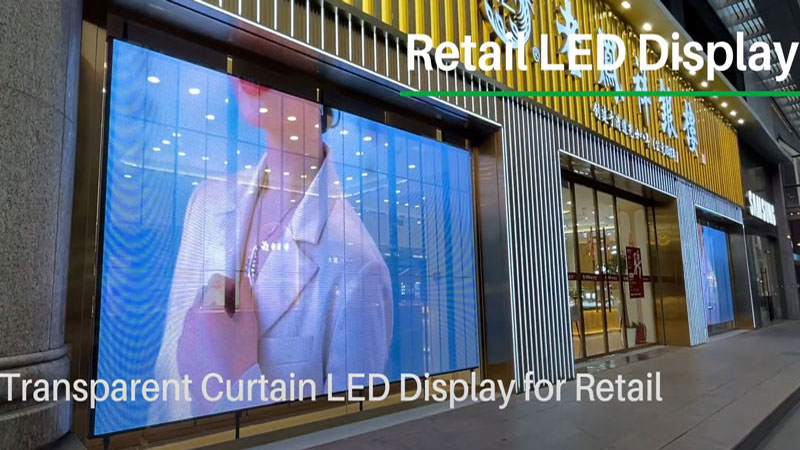
① Retail & Flagship Stores
Immersive Window Displays: Curved or wraparound LED displays draw in passersby with dynamic product showcases.
In-store Brand Walls: High-resolution, freeform screens behind checkout counters or fitting rooms reinforce brand storytelling and highlight promotions.
② Corporate & Hospitality Spaces
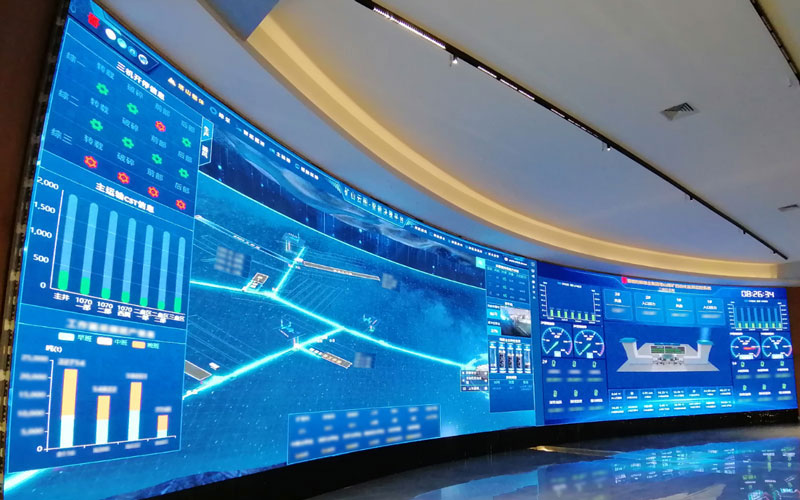
Lobby Signature Walls: Custom LED video mosaics, company timelines, or live social‑media feeds make powerful first impressions in hotel and office entrances.
Boardroom Video Walls: Fine-pitch LED panels provide crystal-clear charts, video conferencing feeds, and collaborative dashboards for executive meetings.
③ Events, Exhibitions & Trade Shows
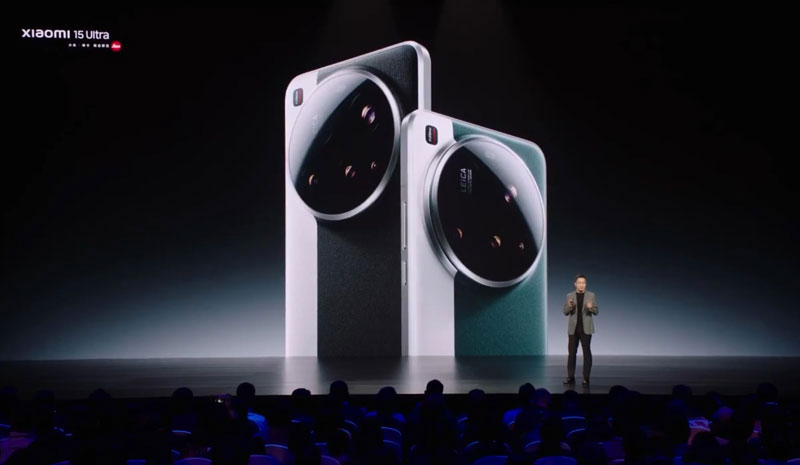
Modular Booth Facades: Customized, lightweight, tool-free LED modules enable rapid reconfiguration for different venues, ensuring consistent brand presence.
Interactive Experience Zones: Touch-enabled or gesture-controlled LED screen installations engage visitors in product demos or gamified content.
④ Broadcast & Production Studios
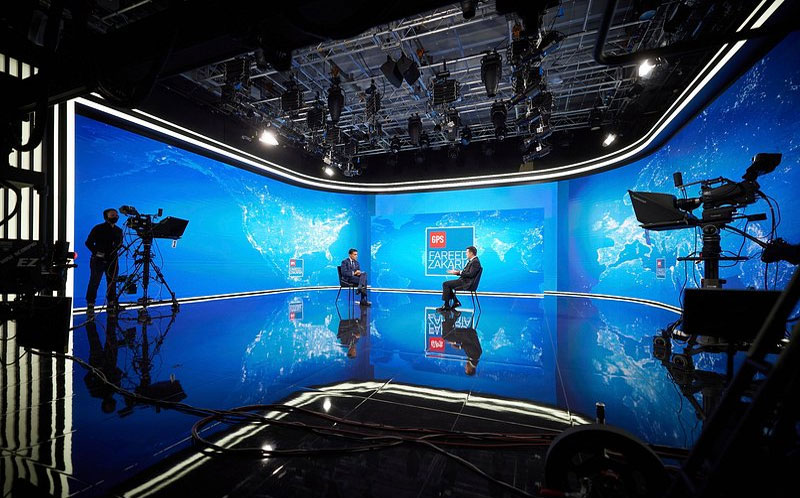
Virtual Sets & Backdrops: High-refresh, fine-pitch LED screen delivers photorealistic environments for live and recorded programming without green screens.
Control Rooms: Panoramic LED walls aggregate real-time data, news feeds, and camera inputs for mission-critical monitoring.
⑤ Public Spaces & Architecture
Building Facade Wraps: Large-scale LED cladding transforms city landmarks into dynamic canvases for art, wayfinding, or civic messaging.
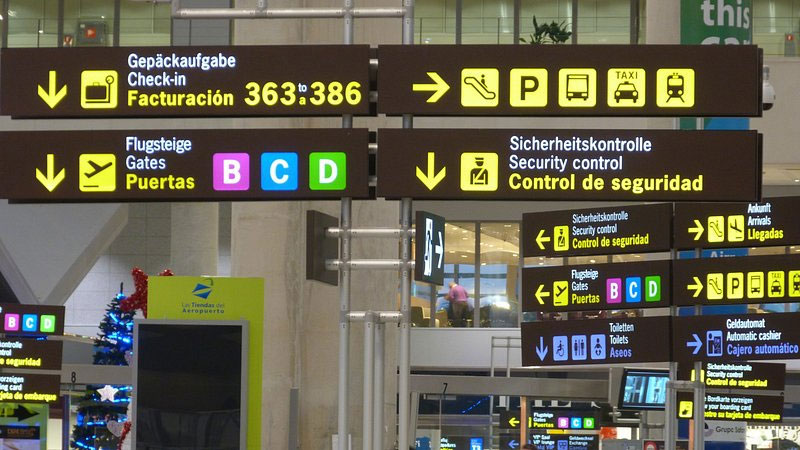
Transit Hubs & Museums: Information LED displays, wayfinding maps, and interactive exhibits guide and inform travelers and visitors.
⑥ Entertainment & Themed Attractions
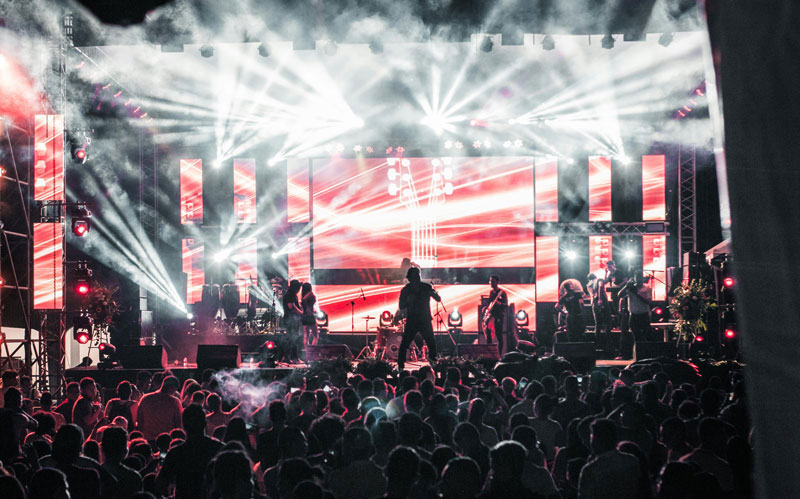
Stage Scenery & Concert Backdrops: Custom LED screen shapes and curved arrays create immersive atmospheres synchronized to lighting and audio cues.
Theme Park Rides: Dynamic visuals integrated into ride vehicles or queues enhance storytelling and guest immersion.
By tailoring size, shape, resolution, and interactivity, custom LED display screens deliver memorable, fit-for-purpose installations that elevate brand impact, audience engagement, and operational flexibility.
5. How to Customize LED Display Screen for Your Project?
How to customize an LED display solution for a visual project? By following these steps, defining objectives, choosing the right hardware, and rigorously testing, you’ll create a custom LED display that perfectly suits your project’s needs.
① Define Goals & Environment
Determine the primary purpose (branding, information, entertainment) and content type (video, text, live feed).
Survey the installation site: measure the available area, note ambient light levels, viewing distances, and mounting constraints.
② Select the Right Pixel Pitch & Module Size
Choose pixel pitch based on closest viewing distance (e.g., P1.5–2 mm for under 3 m; P4–6 mm for 5 m+).
Pick module or screen cabinet dimensions (e.g., 320×1600 mm LED panels or 1000×1000mm LED screen cabinets or custom‑cut modules) so you can tile them without cutting or wasting material.
③ Design the Form Factor
- Sketch or CAD model the overall shape, rectangular, curved, circular, or freeform.
- Plan how modules will be arranged: consider seams, structural supports, and cable routing.
④ Specify Performance Parameters
- Set brightness targets (e.g., 1,000 cd/m² indoors; 3,500 cd/m² for semi-outdoor).
- Define refresh rate (≥ 3,840 Hz for camera-friendly use) and color depth (10 – 14 bit) to avoid flicker and ensure smooth gradients.
⑤ Choose Control & Power Components
- Select sending/receiving cards compatible with your video source (HDMI, DVI, SDI).
- Size power supplies with headroom (5 V and 24 V rails) and include redundancy for mission-critical installs.
⑥ Plan Cabling & Networking
- Map data paths (CAT6 or fiber) so each module receives synchronized packets.
- Label power and data runs for easy maintenance.
⑦ Integrate Interactivity (Optional)
- Add touch overlays, motion sensors, or cameras if you need audience engagement.
- Ensure your CMS supports triggers and logging for interactive events.
⑧ Prototype & Test
- Build a small pilot section to verify color calibration, brightness uniformity, and mechanical fit.
- Test under real-world lighting and content scenarios.
⑨ Install & Calibrate
- Use laser levels and alignment frames to achieve tight seams.
- Calibrate each module for color consistency and uniform brightness across the entire surface.
⑩ Maintain & Update
- Set up remote monitoring for module health and temperature.
- Schedule firmware updates, routine cleaning, and spare parts inventory to keep your display running flawlessly.
6. Cost Considerations & Budgeting
When planning a custom LED display installation, a clear understanding of all cost components is crucial to avoid surprises and stay within budget. Below is a breakdown of the primary expense categories for customized LED display screens and budgeting tips.
① Hardware & Materials
LED Modules & Cabinets: $500–$2,000 per m², depending on pixel pitch and build quality.
Control Electronics: Sending and receiving cards typically run $50–$200 per module.
Power Supplies & Cabling: Allocate $50–$150 per module for PSUs, wiring, and breakers.
Enclosures & Frames: Custom aluminum or steel support structures can add $100–$300 per module, especially for curved or irregular shapes.
② Software & Content Management
CMS Integration: Basic license fees may start at $500, with custom integrations or API development ranging $5,000–$20,000.
Firmware Customization: Budget $2,000–$5,000 for specialized feature development, calibration routines, or interactive interfaces.
③ Installation & Calibration
Labor Costs: Technicians typically charge $50–$150 per hour; total labor can amount to $50–$150 per m² for mounting and wiring.
On-Site Alignment & Calibration: Professional color and brightness tuning services often cost $1,000–$5,000 per project, depending on scale.
④ Maintenance & Support
Annual Service Contracts: Plan for 5–10% of total system value per year for preventive maintenance, spare parts, and remote monitoring.
Consumables & Repairs: Stock replacement modules, PSUs, and cables at 5–10% of hardware cost to minimize downtime.
Total Turnkey Budgets may be range from $50,000 for small LED walls to $500,000+ for large interactive LED screens.
By itemizing each cost element and building in contingencies, you can create a realistic budget. Choose a reliable and professional LED display manufacturer, and have professional technicians develop a perfect custom LED display solution for you, ensuring your custom LED display project delivers maximum impact without financial overruns.
7. Custom LED Screen Manufacturer & Solution Recommended
Unit LED is a leading global provider of custom LED display solutions, offering 15+ years of experience in manufacturing both indoor and outdoor displays. It covers product design, production, and turn-key installation services tailored to diverse sectors, from retail and trade shows to public installations and broadcast environments.
Core Strengths & Offerings
Customized LED Screen Design
Unit LED design team delivers highly customized visual layouts based on client needs and space constraints, ensuring each LED screen is unique and impactful.
More Design Solutions!
In-House Manufacturing Excellence
Unit LED controls all critical stages, including PCB production, module assembly, and cabinet fabrication, ensuring consistent quality and quick scalability.
Versatile Custom Solutions
Unit LED serves a wide array of applications, including commercial advertising, trade-show booths, and indoor/outdoor signage, all with tailored specifications for size, pixel pitch, curvature, environmental rating, etc.
More Solutions!
Why Choose Unit LED?
| Feature | Benefit |
| Full customization | Tailored shapes, pitches, and performance specs |
| Bendable/flexible modules | Ideal for unconventional curved and 3D installations |
| In-house production | Ensures high quality, faster lead times, and cost control |
| Turn-key service | Design, manufacturing, installation, and support under one roof |
If your project demands a custom LED display solution for a unique brand, space, or functional requirements, Unit LED offers a comprehensive custom solution, from conception and engineering to installation and after-sales service. Contact us to kick off your custom LED display screen project.
Contact Now!
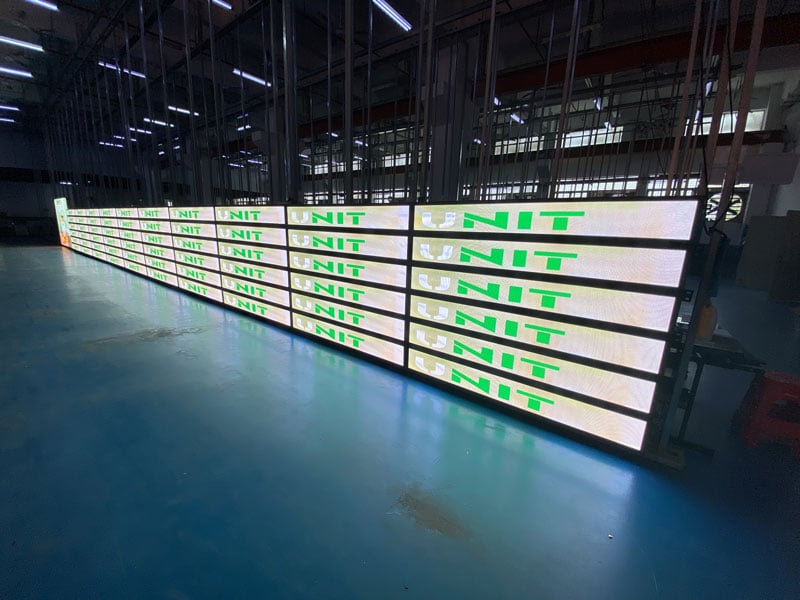
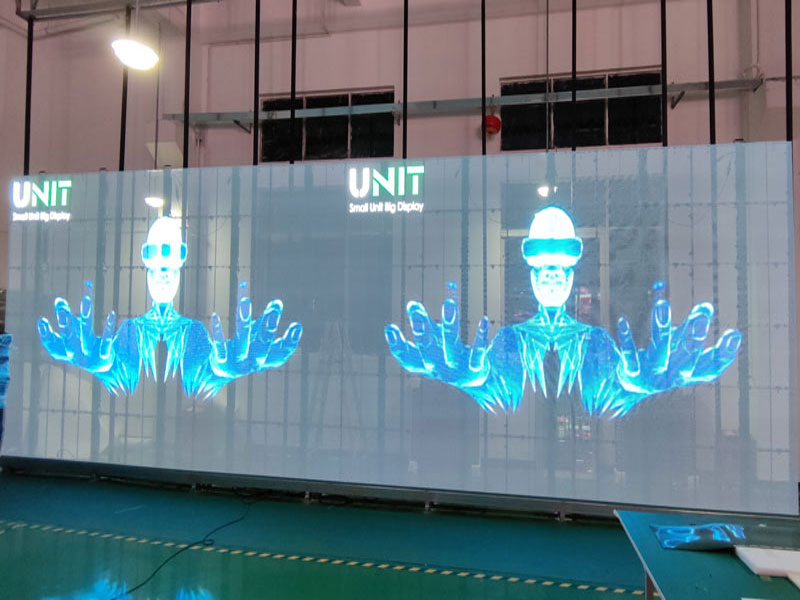
8. Case Studies
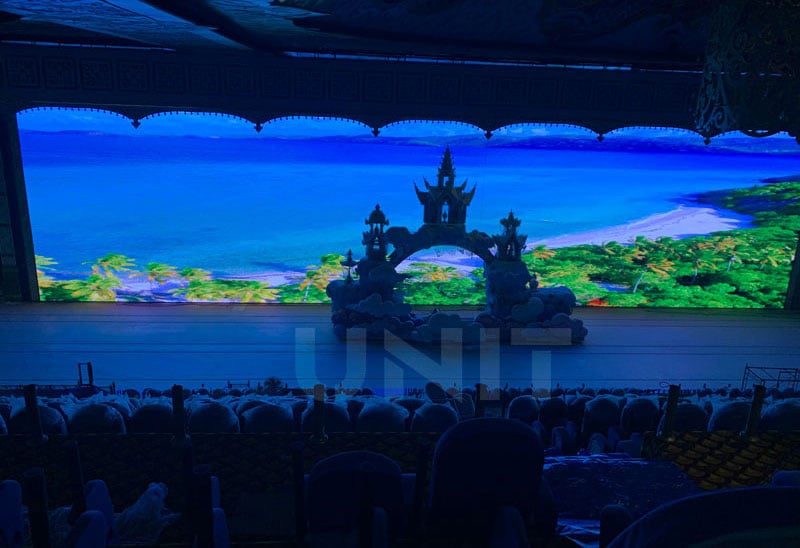
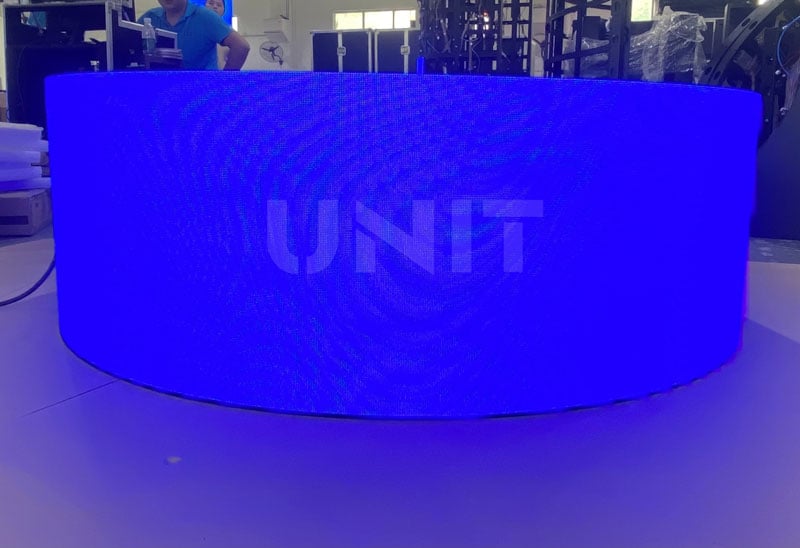
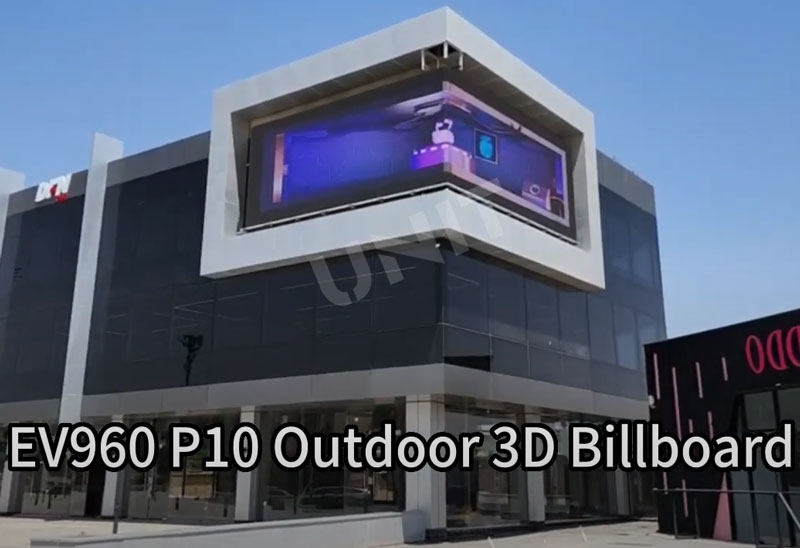
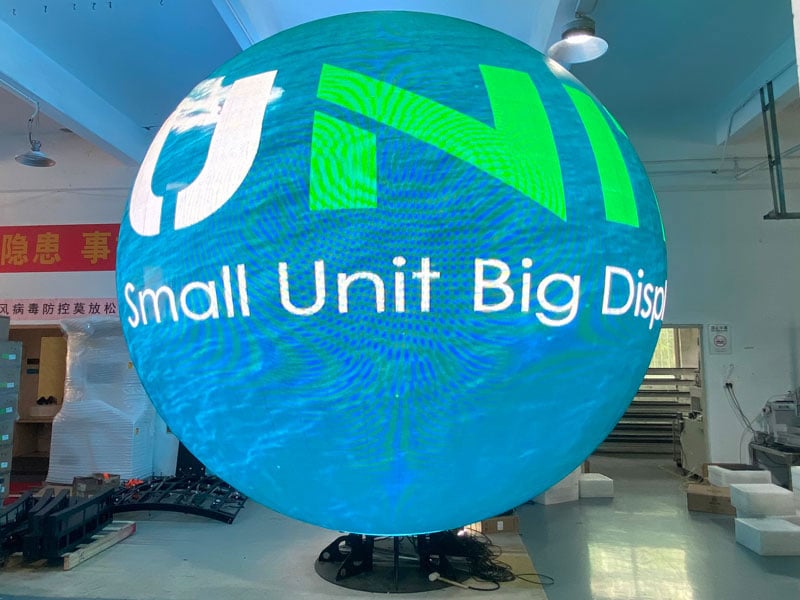
9. Installation & Maintenance Tips
Ensuring a flawless, long-lasting custom LED display requires attention to detail during both installation and ongoing care.
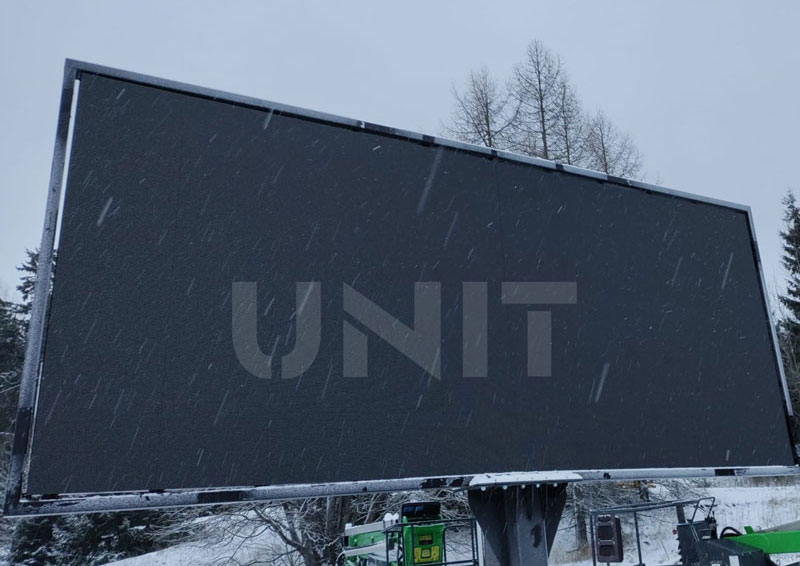
Installation Tips
Site Preparation: Verify structural support, ambient light, and access for service. Reinforce walls or frames if needed.
Modular Staging: Pre-test modules on the ground, check power, data, and alignment before mounting to minimize on-site adjustments.
Precise Alignment: Use laser levels or alignment rails to ensure flush seams. Shim or adjust module brackets to eliminate gaps or unevenness.
Clean Power & Grounding: Install dedicated, surge‑protected circuits. Ground all cabinets at a single point to avoid interference and ground loops.
Network Planning: Keep data cable runs consistent in length; use high-quality CAT6 or fiber. For critical installs, implement redundant data paths or managed switches for failover.
Maintenance Tips
Regular Cleaning: Dust interior electronics monthly with low-pressure air. Wipe front lenses quarterly with a lint-free cloth and isopropyl alcohol.
Thermal Checks: Inspect fans, vents, and heat sinks every quarter. Ensure unobstructed airflow and monitor internal temperatures via built-in sensors.
Firmware & Calibration: Update sending/receiver firmware and CMS software biannually. Perform annual color and brightness calibration to compensate for LED aging.
Spare-Parts Strategy: Keep 5–10% extra modules, PSUs, and receiver cards on hand. Rotate spares every 2–3 years to prevent obsolescence.
Remote Monitoring: Use your CMS dashboard to track pixel health, power usage, and network status. Configure alerts for failures or temperature spikes.
By following these concise guidelines, you’ll ensure your custom LED display delivers peak performance and longevity.
10. Conclusion
Custom LED display represents the development of digital signage evolution, melding cutting-edge technology, creative design, and strategic storytelling into immersive visual experiences. Whether you’re a retailer, corporate entity, event producer, or public art curator, choosing a customized LED display screen solution ensures your message shines brighter, engages deeper, and stands out in today’s crowded media landscape.
Ready to begin your custom LED display journey? Partner with an experienced LED display supplier and bring your vision to life in a luminous reality.
Related Posts
Stage LED Display | Rental LED Screen for Concerts, Events
Explore high-quality stage LED displays for concerts, weddings, church events, and live shows. UNIT LED offers screens with vivid visuals.
Read More »
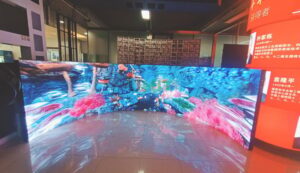
Curved LED Display | Curved LED Video Wall Solutions!
Stunning curved led display screen with excellent visual effects attracts people’s eyes. Just read this post to get everything about it!
Read More »
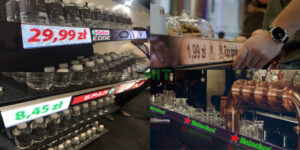
Retail LED Display for Shop: 2025 Full Guidance Here!
UNIT provides you high-quality retail led display for shop with factory price and fast delivery. This post gives you the complete guide!
Read More »