Explore Your High-Precision COB LED Displays Solutions!
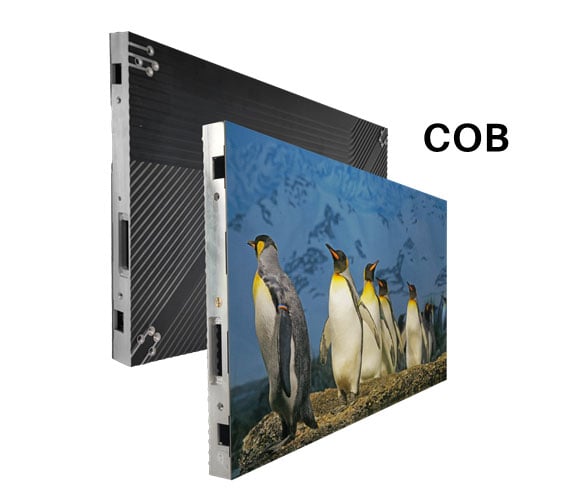
COB Series
Indoor COB LED Displays
-Ultra Fine Pixel Pitch
-Better Durability
-Waterproof & Dustproof
-Superior Heat Dissipation
-Smooth LED Screen Surface
-MA640, MA600 & MY500 Series

UNIT Indoor COB LED Displays
Next-Generation Visual Experience with COB LED Displays
Seamless, durable, and ultra-fine pitch displays for any environment.
MA640 Series
640×480mm Cabinet
4:3 LED Display
Magnesium Alloy Cabinet
P1.538mm & P1.86mm
More Features
MA600 Series
600×337.5mm Cabinet
16:9 LED Screen
Die Casting Aluminum Cabinet
P0.93, 1.25, P1.56mm
More Features
MY500 Series
500×500mm Cabinet
Rental LED Screen
IF Design Award 2023
Innovative Structural Design
More Features
What is COB LED Display?
COB (Chip on Board) LED display uses advanced technology to directly package the LED chip on the board.
Compared to traditional SMD displays, COB offers better protection, higher reliability, and superior visual performance.
Why Choose COB LED Displays?
Ultra Fine Pixel Pitch – Ideal for close-up viewing and high-resolution content.
Better Durability – Scratch-resistant and anti-collision surface.
Superior Heat Dissipation – Improved thermal management for longer lifespan.
Waterproof & Dustproof – Stable performance even in challenging environments.
Smooth Surface – No mask needed, creating a sleek and glare-free appearance.
COB vs. SMD – What Makes COB Better?
|
Feature |
COB LED Display |
SMD LED Display |
|
Protection Level |
High (anti-collision) |
Low |
|
Maintenance |
Easier |
Moderate |
|
Viewing Angle |
Wider (~180°) |
Narrower |
|
Visual Quality |
More vivid & uniform |
Good |
|
Pixel Pitch Options |
Ultra-fine (e.g., P0.9) |
Limited below P1.2 |
Related Products
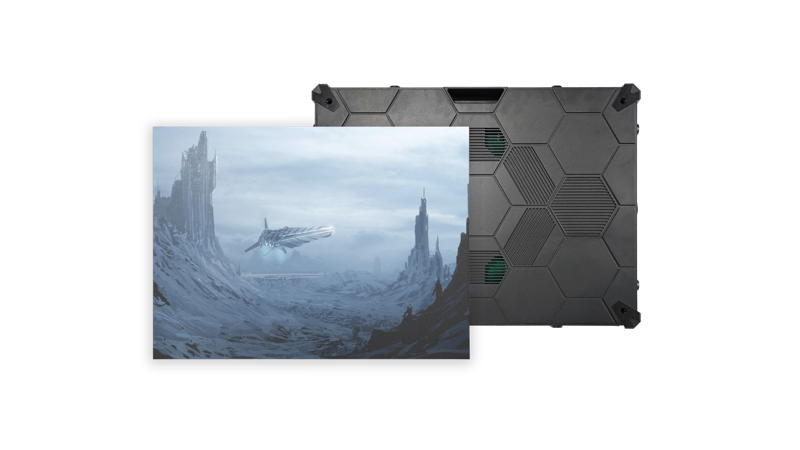
MA640 Series
- COB pixel picth: P1.538mm, P1.86mm
- 640*480mm 4:3 LED Cabinet
- Indoor frontal service LED display screen
- Seamless splicing & HD visuals
- Soft connection cabinet design
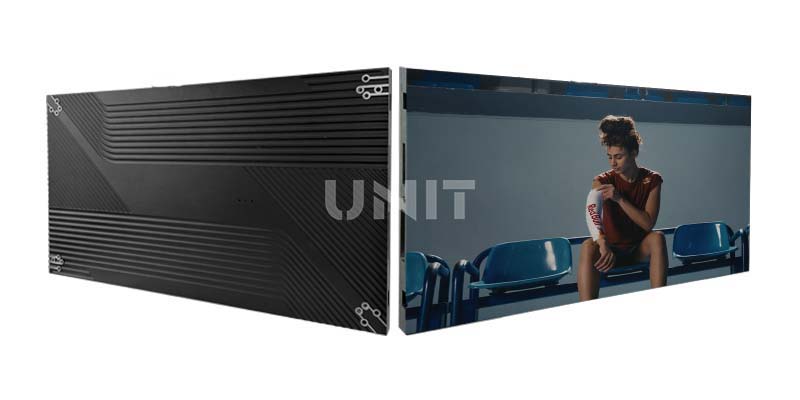
MA600 Series
- COB pixel picth: P0.93, 1.25, P1.56mm
- 600×337.5mm 16:9 LED Cabinet
- High refresh rate to 3840Hz
- 150*168.75mm small size LED module
- Hard connection cabinet design
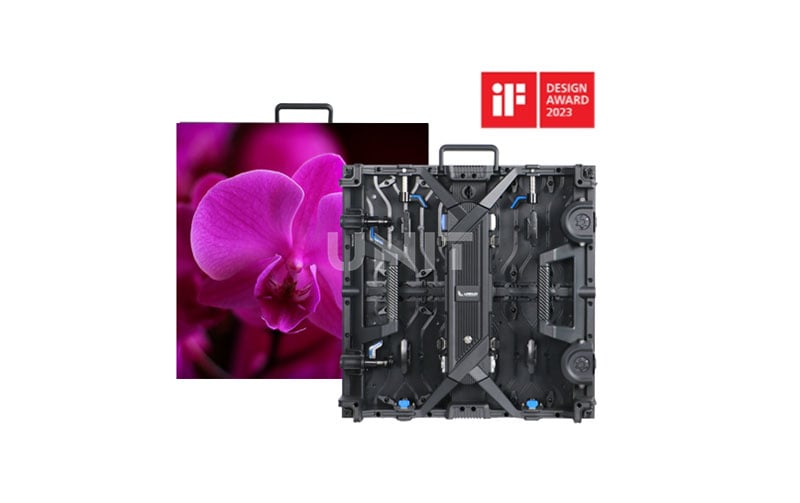
MY500 Series
- Ultra-lightweight and space-saving
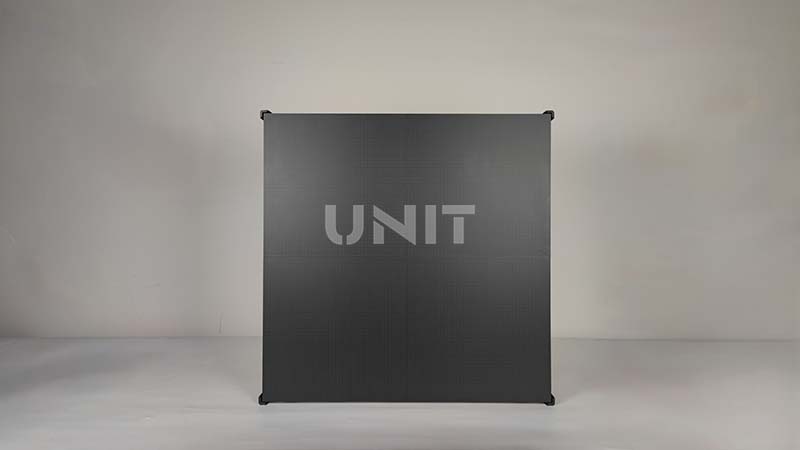
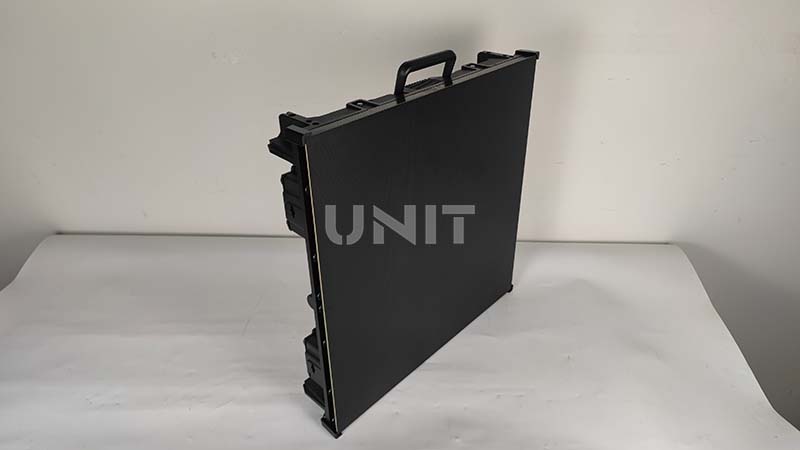
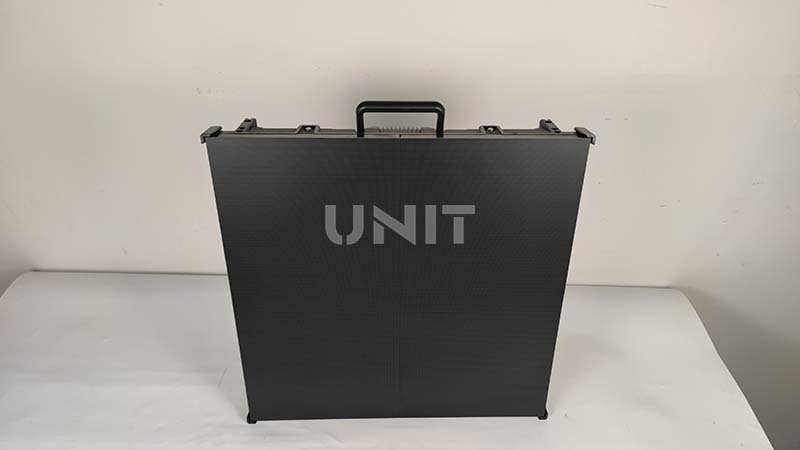
- 500x500mm rental LED cabinet
- High refresh rate to 3840Hz
- Innovative Structural Design
- Detachable back cover box
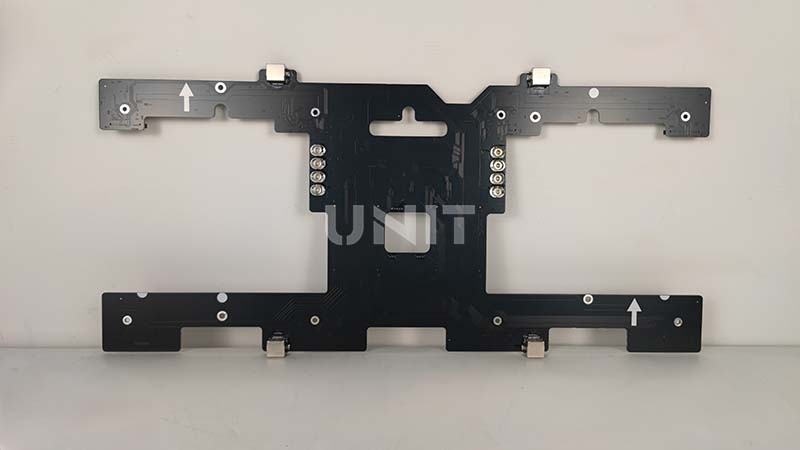
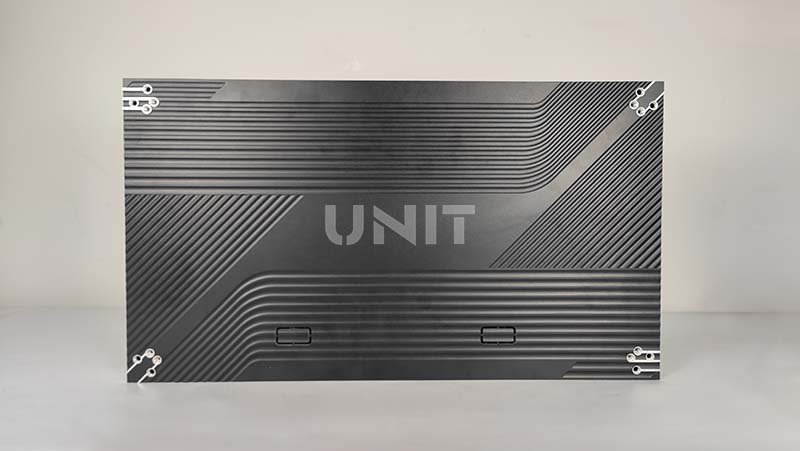
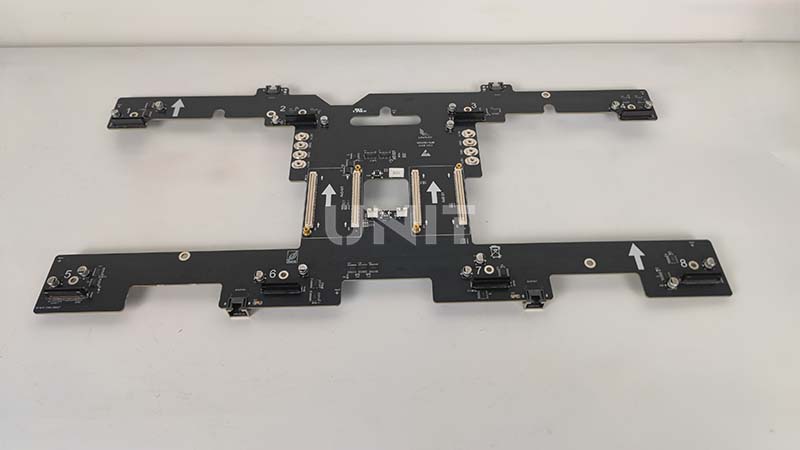
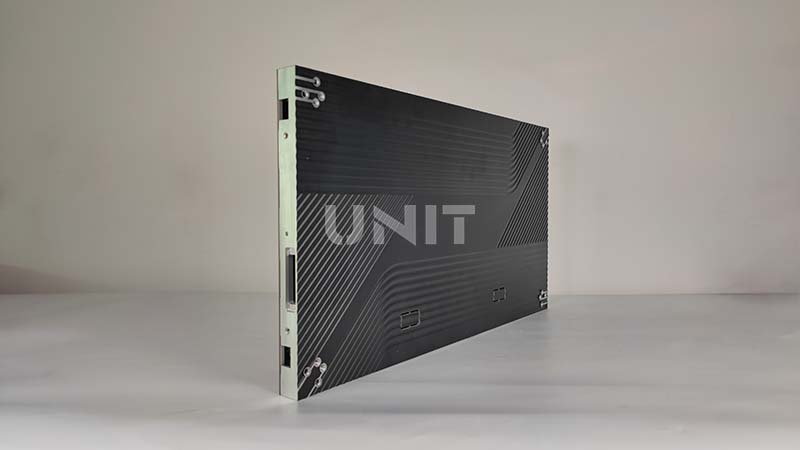
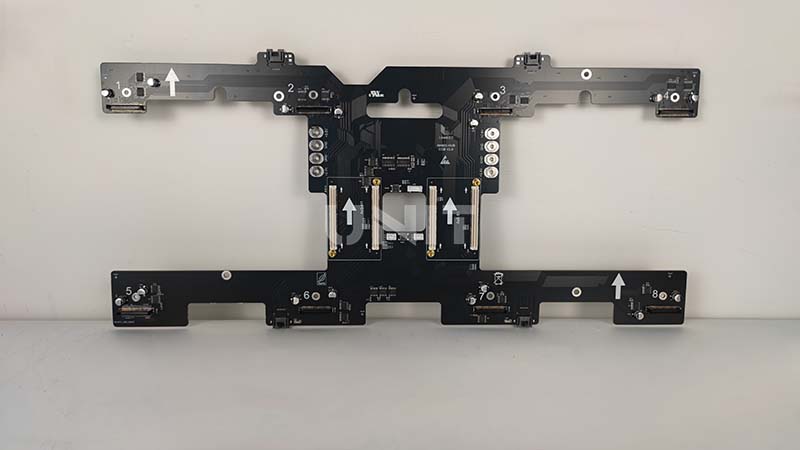
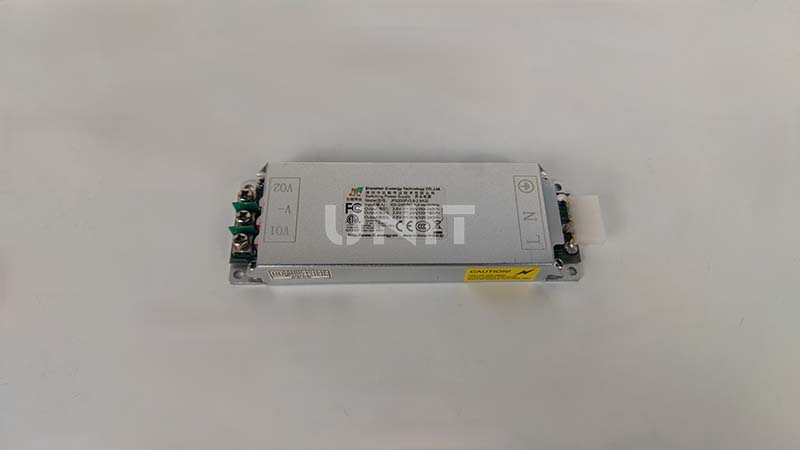
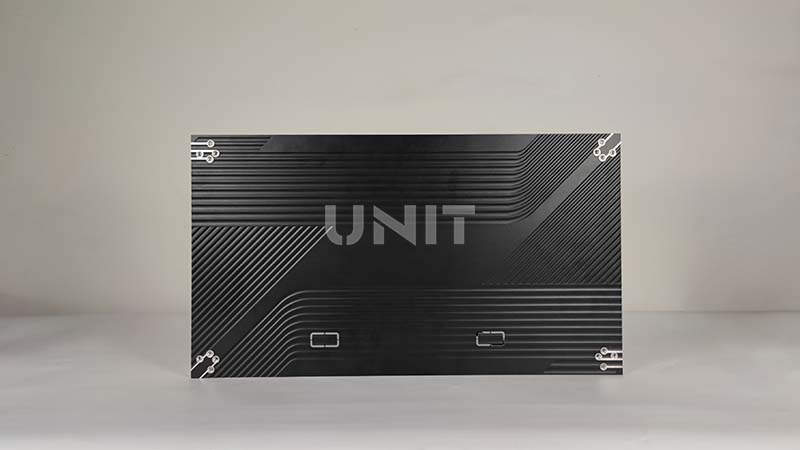
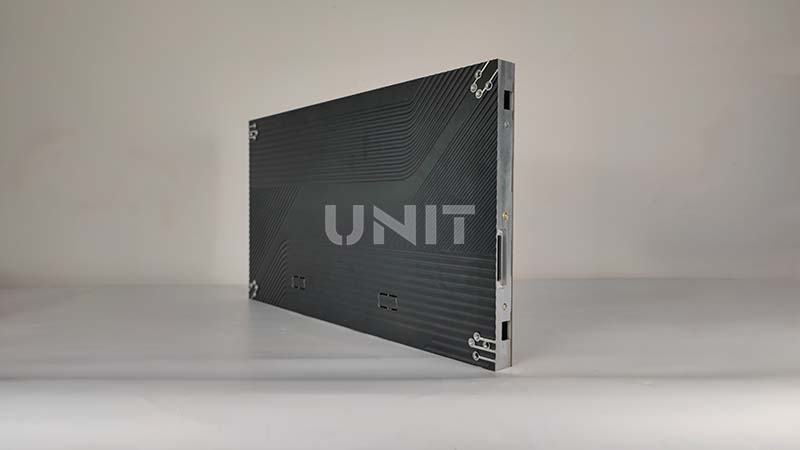
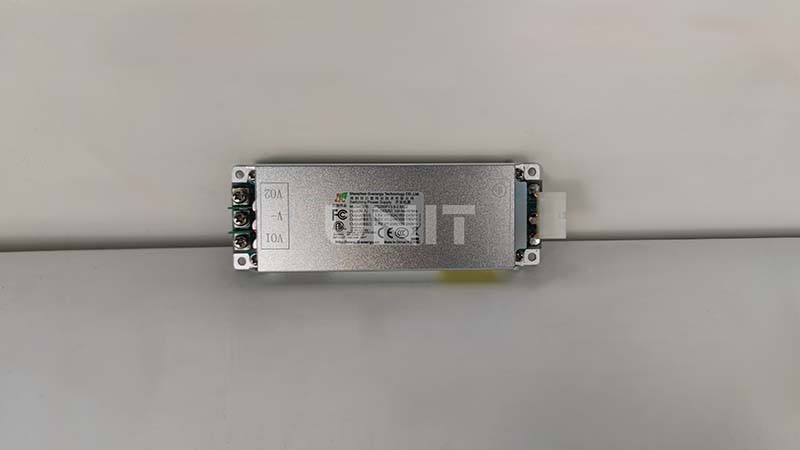
MA600 COB LED Display Details
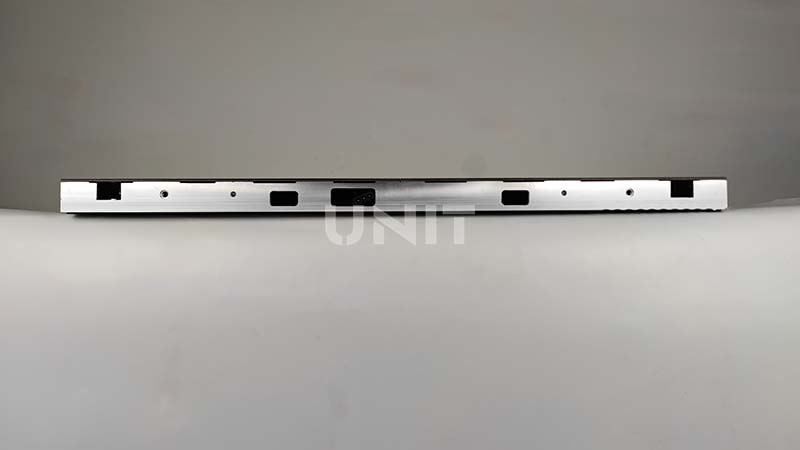
MY500 COB LED Displays Details
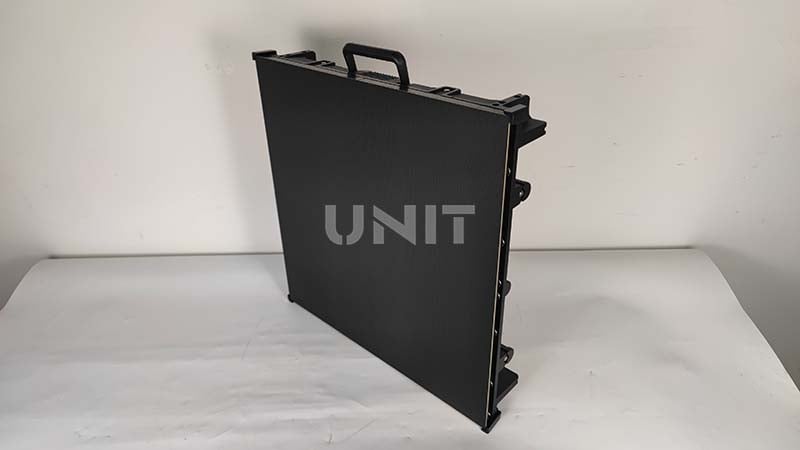
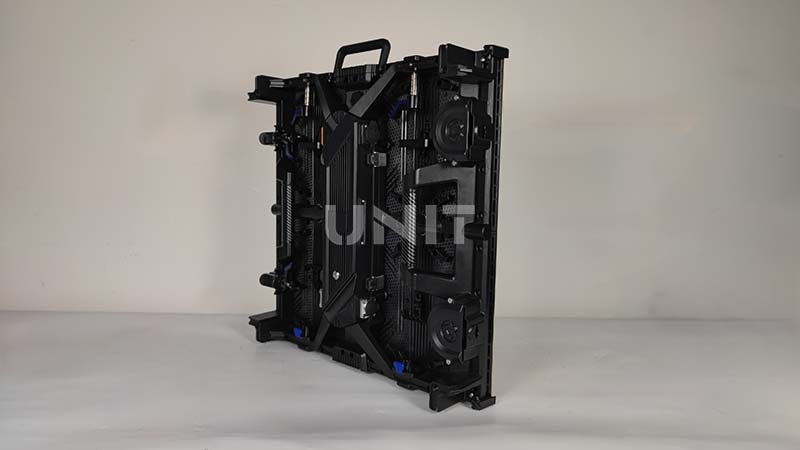
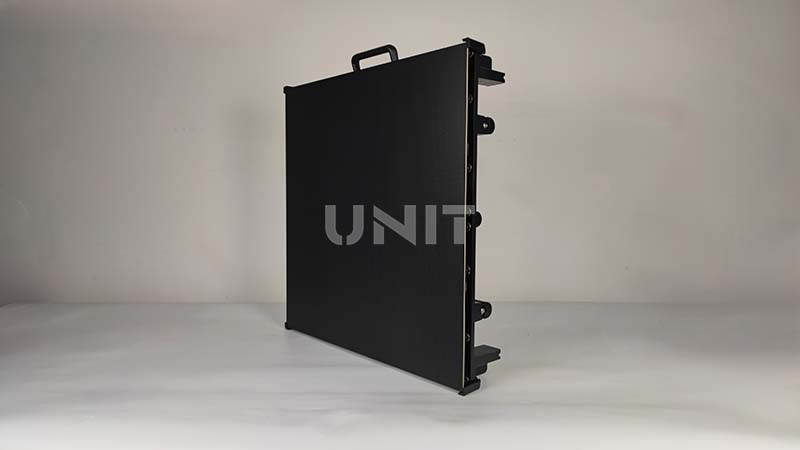
https://youtu.be/_-2dkXX85vg?si=9KzFH4c7yqe645HA
Indoor COB LED Displays
- Pixel Pitches From P0.93mm to P1.86mm
- Smooth Surface & Better Durability
- Frontal Service Cabinet Design
- Waterproof & Dustproof
- CE,Rohs Approved
- 3 Years Warranty and 5% Spare Part
Get Your Price Now
Specification
MA640(COB)
MA600(COB)
MA640(COB)
|
Pixel Pitch(mm) |
P1.53mm |
P1.86mm |
|
LED |
COB |
COB |
|
Module Resolution(dots) |
208*104 |
172*86 |
|
Module Size(mm) |
320*160 |
|
|
Cabinet Resolution(dots) |
416*312 |
344*258 |
|
Cabinet Size(mm) |
640mm*480mm*(WxH) |
|
|
Pixel Density(dots/pc) |
129792 |
88752 |
|
Service ability |
Full front service |
|
|
Protection Level(Front/Rear) |
IP50 |
|
|
Weight |
7.5kg |
|
|
Grey Level (bit) |
14 |
|
|
Brightness(cd/㎡) |
650 |
750 |
|
Contrast |
6000:1 |
|
|
Color Gamut |
≥90% NTSC |
|
|
Refresh Rate (Hz) |
3840 |
|
|
Vert. viewing angle |
140° |
|
|
Brightness Uniformity |
≥95% |
|
MA600(COB)
|
Pixel Pitch (mm) |
P0.9375 |
P1.25 |
P1.56 |
|
Pixel Configuration |
COB |
COB |
COB |
|
Module Resolution (Pixel) |
160*180 |
120*135 |
96*108 |
|
Module Size (mm) |
150*168.75 |
150*168.75 |
150*168.75 |
|
Scan Mode (Duty) |
1/60 |
1/60 |
1/64 |
|
Cabinet Size (mm) |
600×337.5 |
600×337.5 |
600×337.5 |
|
Cabinet Weight (KG) |
4.5 |
4.5 |
4.5 |
|
Brightness (CD/㎡) |
400~600 |
400~600 |
400~600 |
|
Viewing Angle (°) |
170 |
170 |
170 |
|
Gray Grade (Bits) |
16 |
16 |
16 |
|
Operation Power |
AC100-240V 50-60Hz |
AC100-240V 50-60Hz |
AC100-240V 50-60Hz |
|
Max. Power Consumption (W/㎡) |
450W |
450W |
450W |
|
Avg. Power Consumption (W/㎡) |
270W |
270W |
270W |
|
Frame Frequency (Hz) |
≥60 |
≥60 |
≥60 |
|
Refresh Frequency (Hz) |
≥3,840 |
≥3,840 |
≥3,840 |
|
Working Temperature (ºC) |
-10~+60 |
-10~+60 |
-10~+60 |
|
Lifetime (Hours) |
100000 |
100000 |
100000 |
Tech Support
We provide tailored COB LED display solutions based on your needs—whether for indoor fine-pitch video walls or mission-critical visual environments. Our team offers complete support from design to after-sales service.
COB LED Displays Technology: Advantages, Applications, and Challenges
COB (Chip-on-Board) LED display technology is rapidly transforming the LED display industry. Unlike traditional SMD (Surface-Mounted Device) packaging, COB involves bonding bare LED chips directly onto a PCB (printed circuit board) and then encapsulating them with epoxy resin.
This innovative packaging method is helping the LED industry move toward higher reliability, finer pixel pitches, and superior visual performance.
In this article, we’ll explore how COB LED display technology works, highlight its key benefits and applications, and discuss the challenges manufacturers face during production and market adoption.
Table of Contents
1. What Is COB LED Display Technology?
2. Key Advantages of COB LED Display Technology
3. Conventional COB vs UNIT COB LED Displays
4. Where Is COB LED Displays Technology Used?
5. Challenges Facing COB LED Display Technology
6. The Future of COB LED Displays Technology
7. Why Dynamic Pixel Technology Is Emerging
8. How Dynamic Pixel Technology Works with COB LED Displays
9. Performance Benefits of Dynamic Pixel Technology
1. What Is COB LED Display Technology?
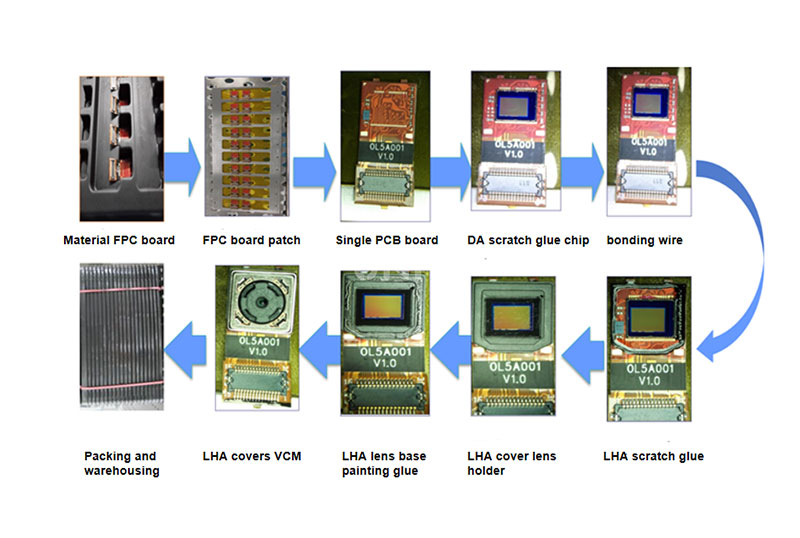
COB, or Chip-on-Board, is a next-generation LED packaging technique that eliminates several steps found in SMD production. While often referred to as a “simplified” packaging method, COB doesn’t skip packaging altogether — instead, it streamlines the process.
In traditional SMD manufacturing, LED displays go through numerous steps such as die bonding, wire bonding, encapsulation, baking, punching, color binning, taping, and surface mounting.
COB simplifies this: chips are placed directly on the PCB, then bonded, tested, encapsulated, and baked — resulting in a complete display module in fewer steps.
This makes COB packaging more efficient and, in some cases, more cost-effective for specific high-end or small-pitch LED display applications.
2. Key Advantages of COB LED Display Technology
(1) Integrated Packaging for Higher Reliability
COB packaging bonds LED chips directly to the PCB, eliminating brackets and solder joints required in SMD.
This reduces the risk of LED detachment and cold soldering, which are common issues in traditional displays.
(2) Superior Protection in Harsh Environments
COB displays are covered with a uniform epoxy layer, giving them IP54 or higher protection ratings. This ensures excellent resistance to dust, moisture, and impact — ideal for outdoor or industrial environments.
(3) Ultra-Fine Pixel Pitch Capabilities
Traditional SMD displays face structural limitations below P0.5. COB’s chip-level integration allows manufacturers to reach P0.4 and even smaller, enabling ultra-high-definition displays for close-up viewing scenarios.
(4) Efficient Heat Dissipation
COB LED displays offer direct heat conduction from the chip to high-thermal-conductivity substrates (like ceramic or metal PCBs), reducing thermal resistance by over 30%.
This slows down light decay and extends the display’s lifespan to up to 100,000 hours.
(5) Seamless Visual Experience
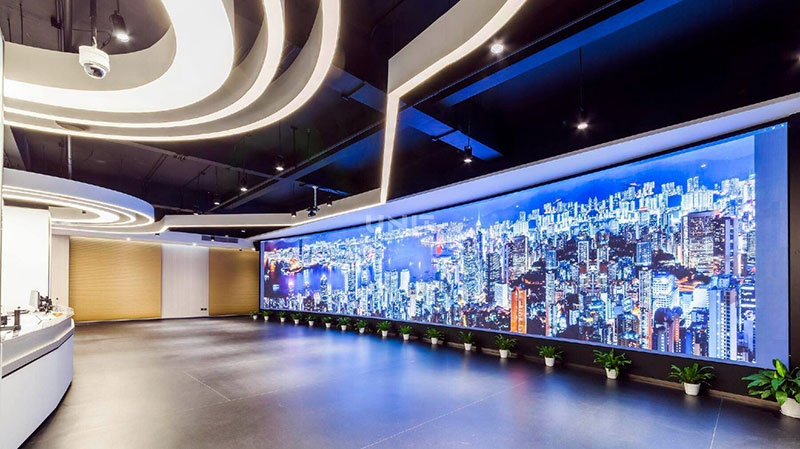
COB modules are designed for seamless splicing, resulting in a smoother surface with no graininess.
The wide viewing angle (160° or more) ensures consistent image quality from any direction.
(6) Enhanced Contrast Ratio
Thanks to black substrates and full-surface black treatment, COB displays provide contrast ratios that are 3 to 5 times higher than standard SMD screens — delivering deeper blacks and more vivid visuals.
3. Conventional COB vs UNIT COB LED Displays
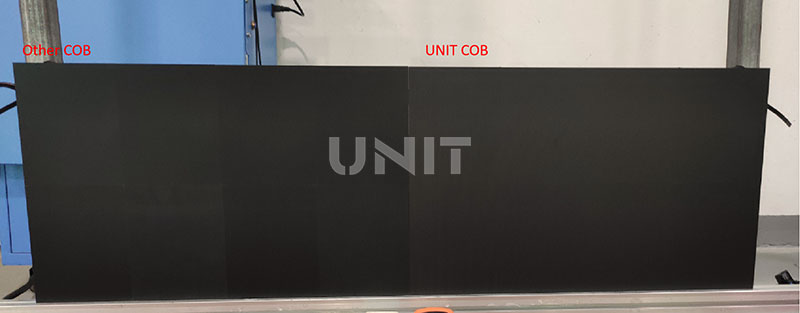
(1) Ink Color Consistency
Conventional COB LED display: The ink color varies in depth. The darker the ink is, the lighter the ink is. 8 modules have 8 different ink colors
UNIT COB has uniform ink color, and the ink color consistency of modules in the same batch is good.
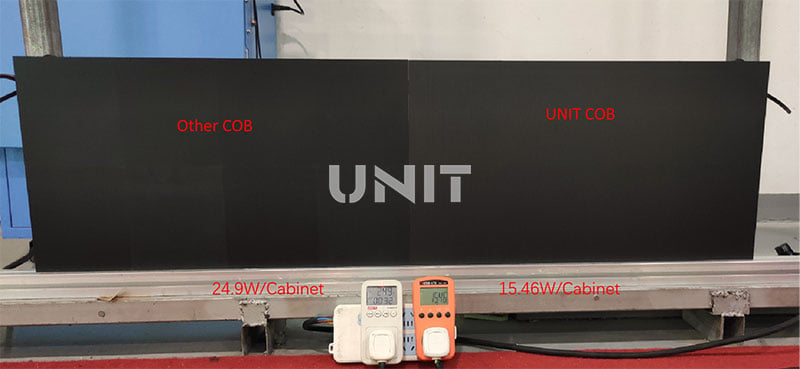
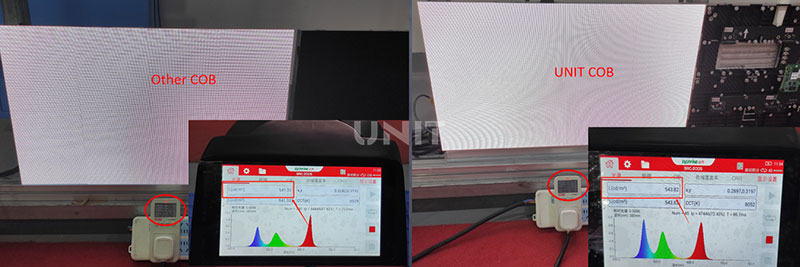
(2) Power Consumption
|
Other COB |
UNIT COB |
Conclusion |
|
|
Black screen power consumption |
24.9W/cabinet, 122.96W/square meter |
15.46W/cabinet, 76.35W/square meter |
UNIT COB energy-saving screen design, 37.9% energy-saving compared to other manufacturers’ COB black screen |
|
Other COB |
UNIT COB |
Conclusion |
|
|
White screen power consumption @540CD/M² |
63.8W/cabinet, 315.1W/square meter |
33.7W/cabinet, 166.42W/square meter |
UNIT COB energy-saving screen design, 47.2% energy-saving compared to other manufacturers’ COB black screen |
(3) COB Display Temperature
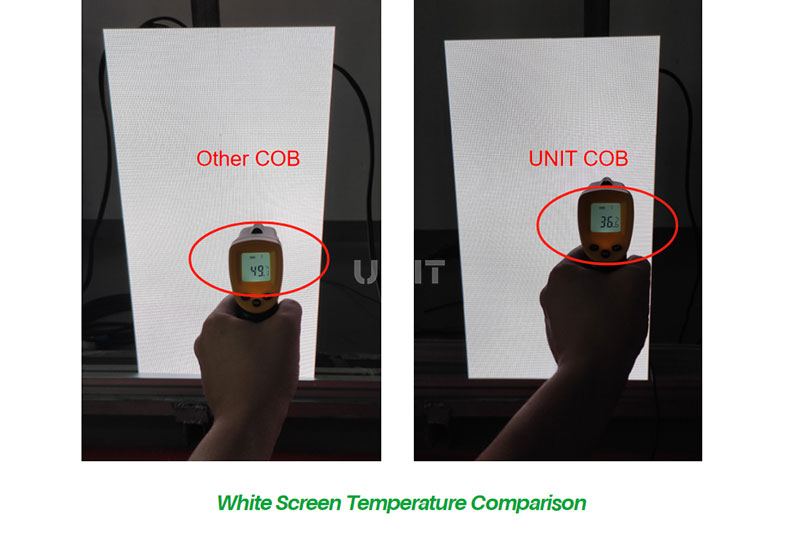
Conventional design, high surface temperature, large heat radiation, unfriendly to human body. After 1 hour of white screen, the screen temperature reached 49.1 degrees.
The temperature of UNIT COB is 36.6°. The surface temperature is almost the same as human body temperature, giving people a comfortable feeling.
The UNIT COB with somatosensory cold screen technology is 12.5℃ lower than the white screen temperature of other manufacturers’ COB.
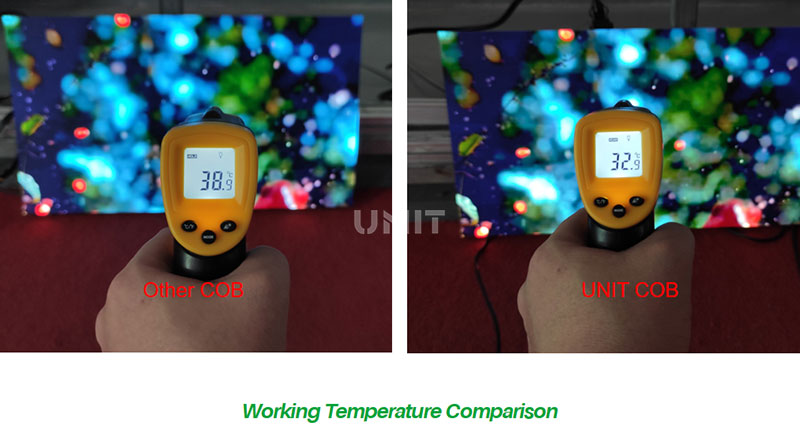
|
Other COB |
UNIT COB |
Conclusion |
|
|
Video playback temperature @24℃ |
38.9℃ |
32.9℃ |
UNIT COB has an operating temperature 6℃ lower than other manufacturers’ COB |
(4) Maximum Brightness
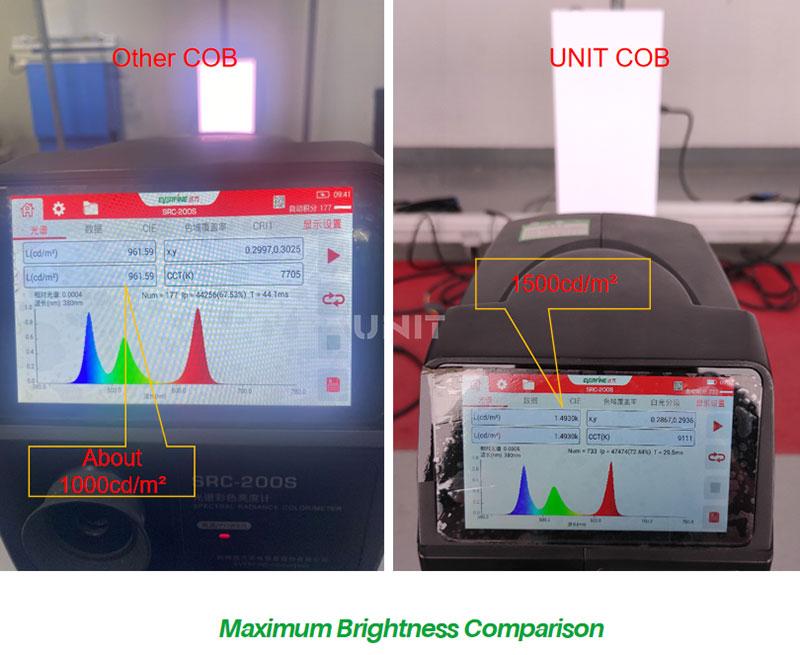
The maximum white balance brightness of conventional COBs from other manufacturers is about 1000cd/m².
The maximum white balance brightness of UNIT energy-saving COB is about 1500cd/m².
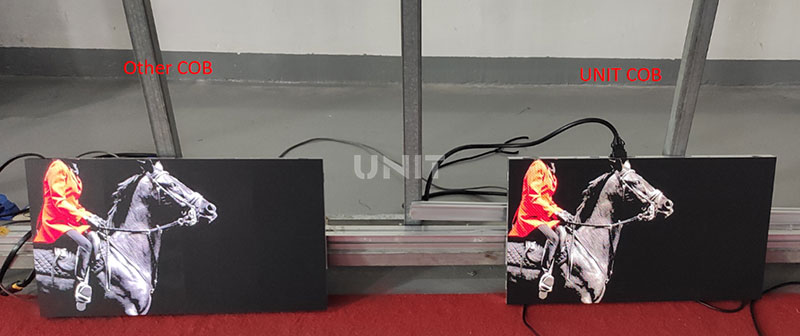
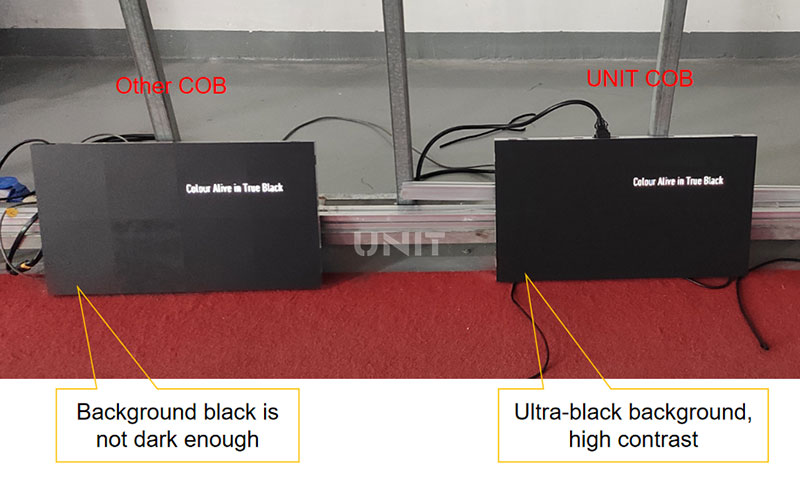
(5) Image Quality Comparison
UNIT COB LED panel has the following features:
Clear colors, good reproduction
Bright colors, clear details
Ultra-black background, high contrast
4. Where Is COB LED Display Technologys Used?
COB (Chip-on-Board) LED display technology is rapidly gaining traction across various industries thanks to its durability, fine pixel pitch capability, and superior visual performance.
Below are the key application areas where COB LED displays are being widely adopted:
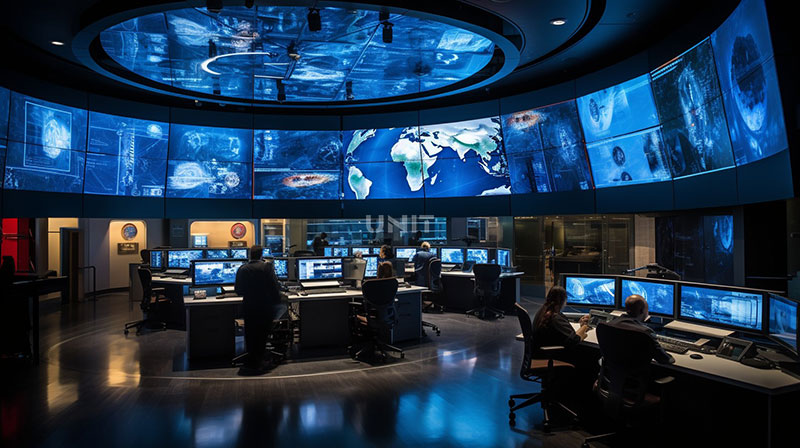
(1) Corporate Conference Rooms and Control Centers
One of the most prominent uses of COB LED technology is in high-end indoor environments, such as corporate boardrooms, government command centers, and traffic control rooms.
These spaces require clear, glare-free, high-resolution displays that perform well even under prolonged use.
With pixel pitches as low as P0.9 or P0.7, COB indoor LED displays deliver crystal-clear visuals for real-time data monitoring, video conferencing, and collaborative work—all in a seamless, bezel-free format that traditional LCD panels can’t match.
(2) Broadcast Studios and Virtual Production
COB LED displays are becoming a go-to solution for TV studios, virtual production LED wall, and XR (Extended Reality) stages.
The ultra-black surface, high contrast ratio, and low reflection of COB screens make them ideal for controlled lighting environments where camera capture quality is critical.
Additionally, the tight pixel pitch and wide viewing angle enable immersive backgrounds and realistic virtual environments, improving both production efficiency and content realism.
(3) High-End Retail and Luxury Showrooms
In premium retail spaces or luxury showrooms, COB displays are used for product storytelling, digital signage, and immersive experiences.
Their sleek appearance, high resolution, and vibrant color reproduction make them perfect for brands that want to convey innovation and sophistication.
Thanks to their robust surface protection, COB displays are also better suited for public touchpoints compared to traditional LED modules, which are more fragile.
(4) Medical and Simulation Displays
COB LED technology is also being adopted in medical imaging, surgical rooms, and simulation-based training.
These applications demand pinpoint visual accuracy, high grayscale levels, and minimal eye fatigue—all of which COB displays provide.
With seamless splicing and no bezel interference, medical professionals can view consistent data or imagery across large screen areas without distraction.
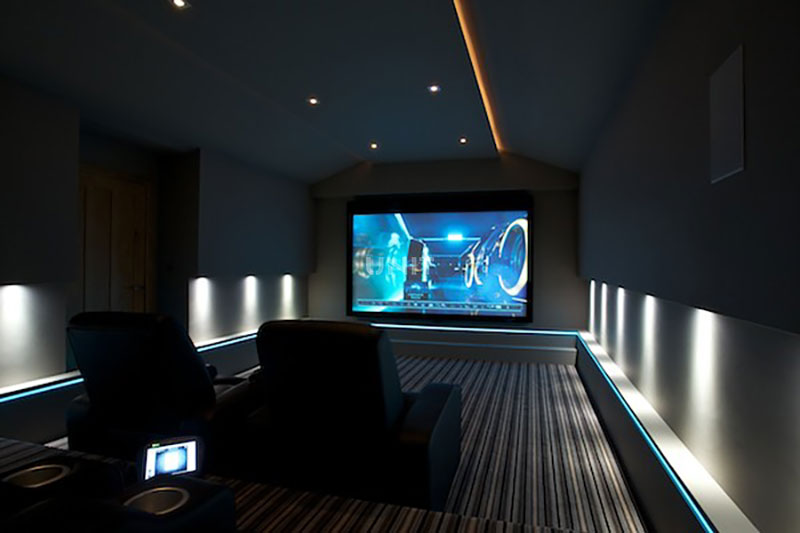
(5) Home Cinemas and Luxury Residences
With the advent of micro-LED and mini-LED technology, COB displays are making their way into ultra-high-end home theater systems.
For private cinemas or smart homes that aim for a true 4K/8K immersive viewing experience, COB’s fine pitch and deep blacks rival those of OLED, but with better brightness and longer lifespan.
(6) Education and Interactive Learning
Modern classrooms and lecture halls are increasingly using interactive COB LED displays to replace projectors and traditional screens.
The anti-reflective surface, wide viewing angles, and finger-friendly durability make COB ideal for educational environments where clarity and reliability are essential.
5. Challenges Facing COB LED Display Technology
Modern classrooms and lecture halls are increasingly using interactive COB LED displays to replace projectors and traditional screens.
The anti-reflective surface, wide viewing angles, and finger-friendly durability make COB ideal for educational environments where clarity and reliability are essential.
5.1 Manufacturing Challenges
(1) Packaging Yield
Each COB board may contain hundreds or thousands of chips. If one chip fails post-packaging, the entire board may be defective. Ensuring 100% yield is a significant technical hurdle.
(2) Die Bonding Accuracy
High precision (±15μm) is required during die bonding. Cleanroom conditions and advanced equipment are essential to maintain alignment and avoid connectivity issues.
(3) Reflow Soldering Risks
During IC installation, the display undergoes reflow soldering at ~240°C, which may damage the light surface (e.g., filament breakage).
This poses a challenge in maintaining high yields without sacrificing display performance.
5.2 Product Performance Limitations
(1) High Repair Costs
COB modules are difficult to repair. A single LED chip failure typically requires replacing the entire module, unlike SMD screens where individual LEDs can be replaced.
(2) Color Uniformity
COB chips are harder to bin for brightness and color consistency. This can lead to visible color discrepancies across the display.
(3) Electromagnetic Interference
With the chip directly on the PCB, EMI issues may arise. Designers must integrate EMI shielding and optimized PCB layouts to prevent interference.
5.3 Material and Cost Concerns
Sensitive Encapsulation Materials
The epoxy resin used in COB is highly sensitive to humidity, potentially compromising long-term durability. Moisture-resistant materials and strict environmental controls are necessary.
Higher Production Costs
Compared to SMD, COB displays are 20–30% more expensive due to the cost of precision bonding tools and advanced materials like thermal epoxy or ceramic PCBs.
6. The Future of COB LED Display Technology
As LED displays move toward smaller pixel pitches and higher resolutions, COB technology is becoming the foundation for next-generation micro-pitch displays.
Although it still faces hurdles in manufacturing complexity and repairability, ongoing R&D and a maturing supply chain are expected to drive down costs and improve quality.
In the long run, COB is likely to expand from professional-grade applications to consumer markets, and may even integrate with Micro LED technology — shaping the future of immersive visual experiences across industries.
7. Why Dynamic Pixel Technology Is Emerging
As the demand for 4K and 8K ultra-high-resolution LED displays grows, the industry faces two major challenges: space limitations and cost-efficiency issues.
In indoor spaces like offices or meeting rooms, ceiling height significantly impacts the choice of LED pixel pitch:
For a 4K resolution screen in an office with a 3.2-meter ceiling, a P0.9 LED display is required.
In standard meeting rooms with a ceiling height of around 3.9 meters, P1.2 is a more practical and widely adopted option.
To achieve 8K resolution, P0.7 or even P0.6 pixel pitch becomes necessary.
However, ultra-fine pitch products like P0.6 are still extremely costly, and even P0.9 displays have yet to gain significant market share. Meanwhile, existing technologies such as SMD and COB have reached their physical limits in reducing pixel pitch further.
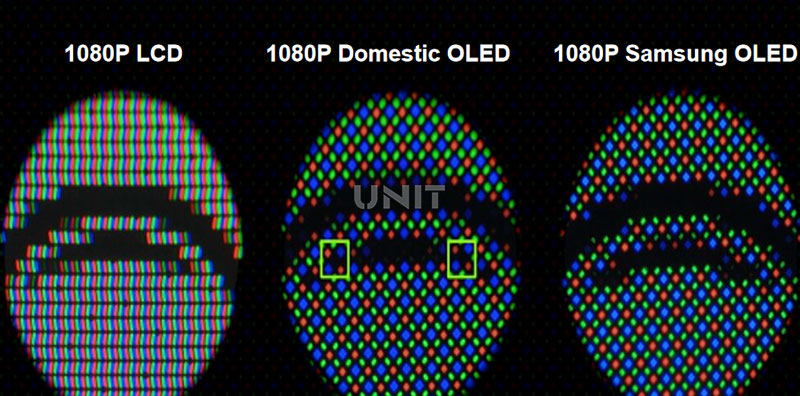
Interestingly, the small-screen industry—such as smartwatches and mobile phones using OLED displays—faces similar challenges: smaller screens but higher resolutions.
Instead of using a 1:1:1 RGB layout, many OLED screens use a diamond pixel structure, reducing the number of red and blue subpixels.
To maintain image quality, they rely on sub-pixel rendering algorithms that “borrow” data from adjacent pixels to display accurate colors and shapes.
This algorithmic solution has inspired the LED industry to develop Dynamic Pixel Technology. The core idea is to decouple RGB pixels into individual red, green, and blue emitters, which are uniformly spaced and independently controlled.
These emitters dynamically combine with adjacent emitters to form full RGB pixels as needed, enabling much higher display resolution using fewer chips.
8. How Dynamic Pixel Technology Works with COB LED Displays
In COB-packaged LED displays, dynamic pixel technology introduces multiple pixel arrangement strategies.
Take a P1.25mm pixel pitch as an example:
A 3-chip double rendering method can reduce chip usage by 50%.
A 4-chip quadruple rendering setup can lower chip consumption by up to 67%.
This approach allows the display to maintain visual quality while using fewer LED chips, cutting costs and making ultra-high-resolution displays more accessible.
Under a microscope, you can observe some pixels that appear “dim” or “half-lit.” These aren’t defects; they are algorithmically adjusted pixels that borrow data from neighboring emitters to ensure smoother image transitions and clearer shapes—this is dynamic rendering in action.
By using fewer chips spaced more tightly and precisely controlled, the display system becomes not only more efficient but also more scalable.
This opens the door to finer pitch displays that were previously unattainable due to cost and manufacturing constraints.
9. Performance Benefits of Dynamic Pixel Technology
(1) Ultra-High Resolution at Lower Pixel Pitches
Dynamic pixel rendering enables standard pixel pitches like P1.2 or P1.6 to deliver 2–3 times higher visual resolution.
For projects targeting 4K or 8K resolution, it’s now possible to use mature and cost-effective pitch sizes while achieving stunning clarity. This significantly improves the cost-performance ratio of high-resolution LED displays.
(2) Improved Contrast and Uniformity
With fewer chips per module, pixel distribution becomes more uniform across the panel.
This results in better black consistency, reduced light reflection, and enhanced image contrast. The display appears more coherent, and colors are more vibrant and accurate.
(3) Energy Efficiency and Better Heat Management
Reducing the number of LED chips not only cuts power consumption but also decreases overall heat generation. This translates into:
-Lower screen surface temperatures
-Longer component lifespan
-More stable long-term performance
For applications requiring continuous operation, such as control rooms or digital signage in retail, this is a crucial advantage in terms of energy savings and reliability.
10. Conclusion
COB LED display technology is revolutionizing the way we design and use LED screens. With its superior durability, compact pixel pitch, and stunning visuals, it addresses many of the limitations of SMD displays. However, challenges related to manufacturing, cost, and market education remain.
Still, as demand for ultra-fine-pitch displays and long-lasting performance continues to grow, COB will remain a key player in the evolving LED display landscape.