Modular LED Display Panels: Benefits, Price, and More
LED displays are changing the way products are displayed, information is disseminated, and experiences are created in all walks of life. A large LED display is not a single structure, but is made up of multiple LED display cabinets. The LED display cabinet plays an important role in the display, protecting the internal components and allowing the LED display to be disassembled for easy transportation and maintenance.
This guide comprehensively and in-depth explores the technology, types, advantages, and selection criteria of LED screen cabinet to improve the performance of LED displays.
Table of Contents
1. What Is an LED Display Cabinet?
What is a cabinet in LED display screen? An LED display cabinet, often referred to as a LED display frame or enclosure, is the modular structural unit that hosts LED modules to form larger video walls. LED screen cabinets give the display system its mechanical support, protection, and the ability to scale and adapt as needed. Whether it’s for outdoor advertising, indoor video walls, or event displays, LED cabinets are foundational.
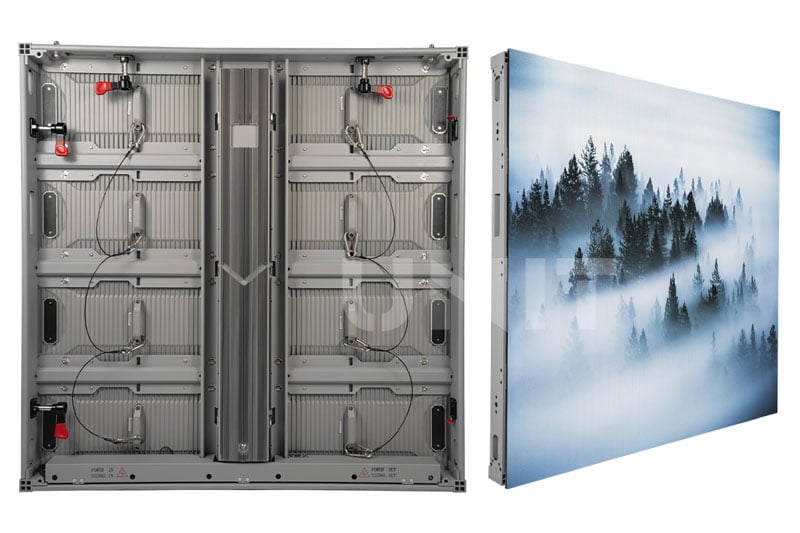
Core Components of an LED Display Cabinet
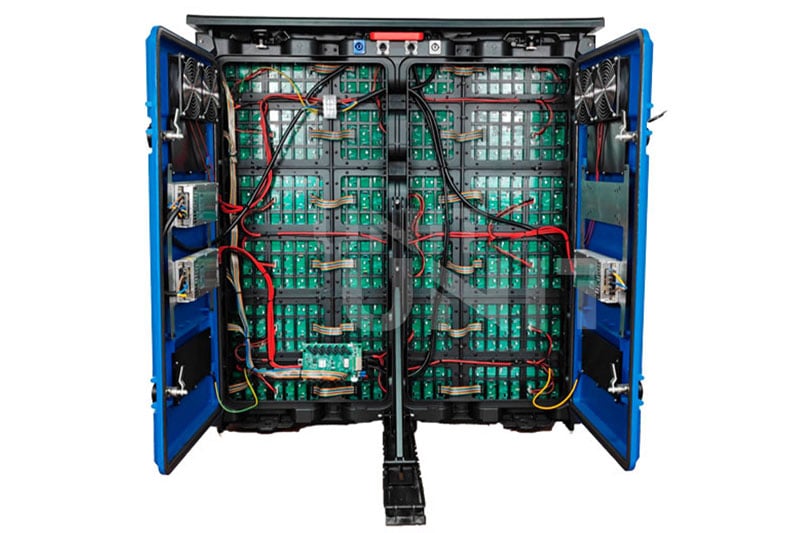
The performance and reliability of an LED display largely depend on the design and quality of its cabinet. More than just a structural frame, the LED display cabinet integrates multiple critical components that work together to ensure stability, heat dissipation, signal transmission, and seamless visual output.
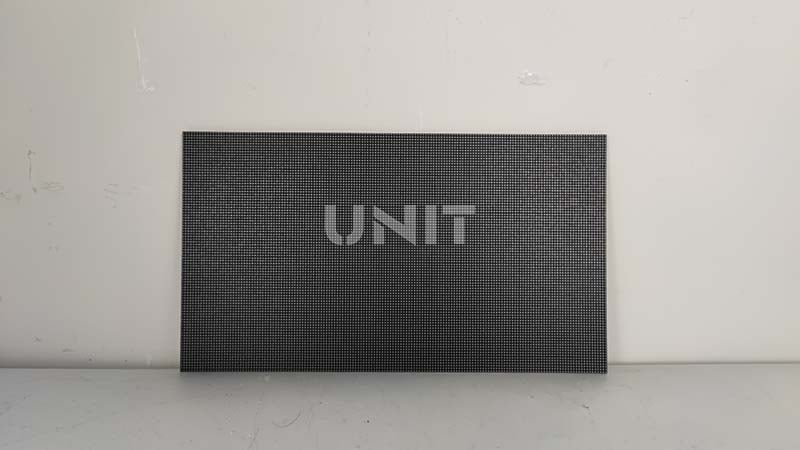
① LED Modules/Panels
The heart of the LED display, composed of numerous tiny LEDs emitting red, green, and blue light. Modern LEDs primarily use SMD LEDs for superior brightness, color accuracy, and viewing angles. COB technology, offering even higher durability and pixel density, is increasingly common in premium models. GOB LEDs are more suitable for environments that may be subjected to physical shock or harsh conditions.
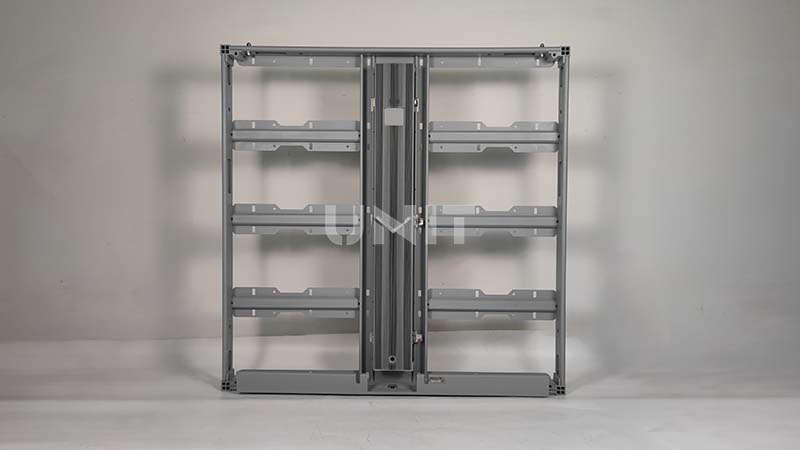
② Cabinet Frame
Robust framing (often aluminum) houses the LED panels, provides structural integrity, and ensures safety. Designs range from slim, minimalist frames for maximum screen visibility to more substantial frames for high-security or specialized environments.
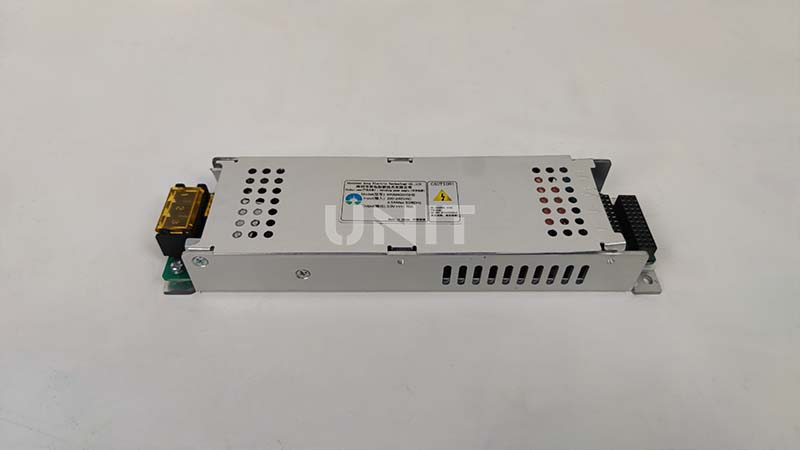
③ Power Supply
Converts AC mains power into stable DC voltages for modules and control systems. Internal power wiring distributes electricity evenly and safely across the cabinet.
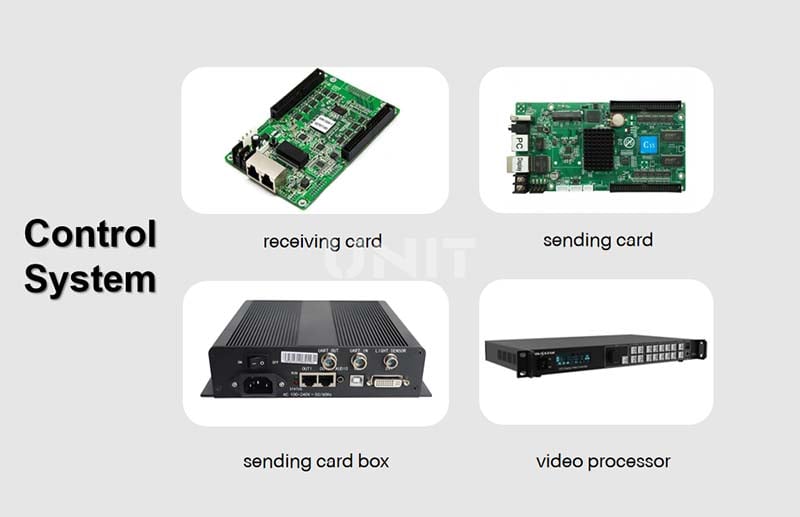
④ Control System
The receiving card (inside the LED screen cabinet) connects via data cables (e.g., ribbon, Ethernet) to modules, interpreting video signals from the sending card/controller. It synchronizes display data across panels.
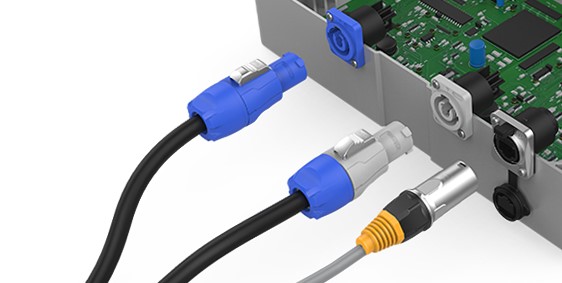
⑤ Signal & Power Cabling
A network of connectors and cables that carry power and image data between the PSU, control cards, and LED modules—designed for reliability and ease of maintenance.
⑥ Thermal Management
An LED display cabinet includes cooling fans, vents, or heatsinks that regulate internal temperature, ensuring consistent performance and longevity of components.
2. Key Functions of LED Screen Cabinet
An LED display cabinet serves as the structural and functional backbone of a screen; it protects components, ensures precise assembly, manages heat, organizes power and data, and simplifies servicing and scaling.
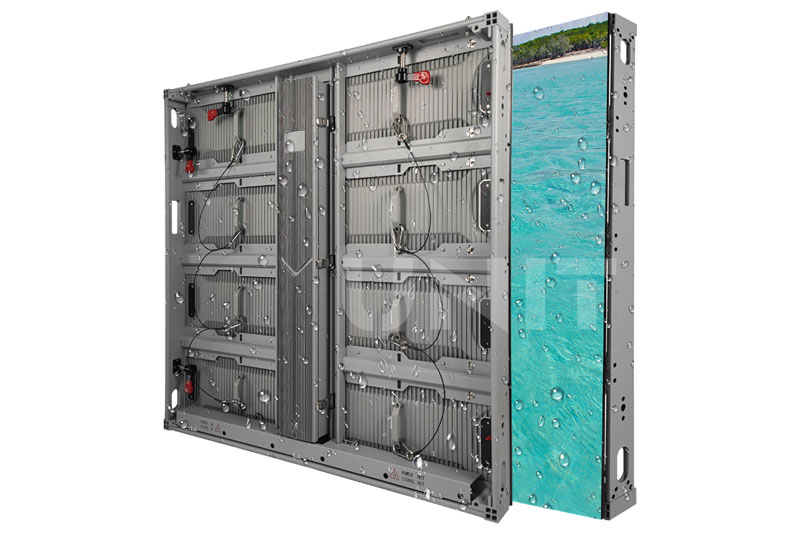
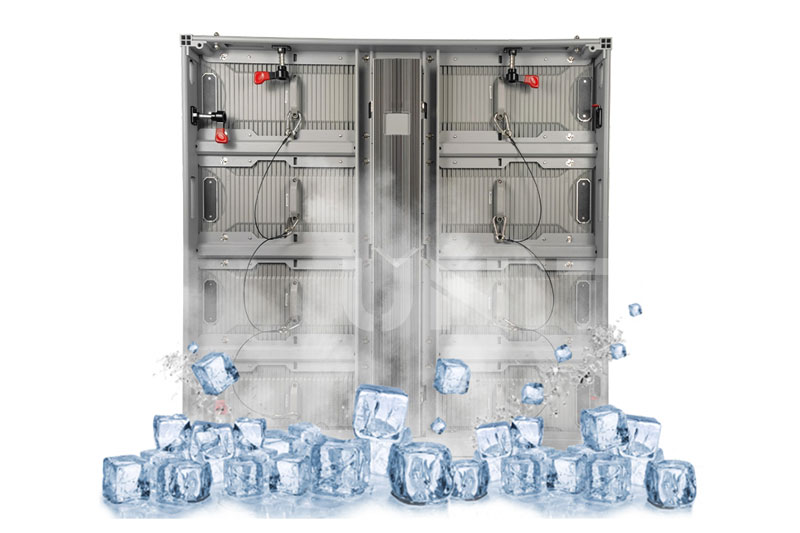
Function 1. Protection & Environmental Shielding
LED display cabinet protects internal electronics — LED modules, PCBs, and driver ICs — from dust, moisture, impact, and oxidation. Outdoor models often include advanced sealing, lightning protection, and weatherproofing to ensure long-term reliability.
Function 2. Structural Support & Alignment
As the “skeleton” of a display, LED screen cabinets provide mechanical stability and precise module alignment, delivering seamless visuals and preventing distortion or misalignment.
Function 3. Heat Dissipation & Cooling
Heat is a major challenge in LED screens. LED cabinets are designed with airflow channels, cooling fans, or heatsinks, and use materials like die-cast aluminum for optimal thermal management.
Function 4. Power & Signal Distribution
They organize and house power supplies, controller cards, and cabling, enabling efficient routing of power (AC to DC) and data signals (HDMI, Ethernet, etc.) to each LED module.
Function 5. Serviceability & Maintenance Access
LED display cabinet supports front- or rear-access designs, allowing technicians to remove or replace modules and components easily, without dismantling the entire display.
Function 6. Modular Scalability
By using standardized LED screen cabinet sizes (e.g., 500×500 mm, 960×960 mm), LED video walls can be scaled, reshaped, and reconfigured efficiently for different installations.
3. LED Display Cabinet Types
LED screen cabinet, also called LED screen frame, is a modular unit assembled into large video walls. LED display cabinets can be divided into different types based on their materials, applications, maintenance methods, and shapes.
3.1 By Material
① Iron LED cabinet
Iron LED display cabinet is a common cabinet on the market. Its advantages are low price, good sealing, easy to change the appearance structure, etc. The disadvantages are also obvious. The weight of the iron cabinet is too high, making it not easy to install and transport. In addition, its strength and precision are not enough. It is easy to rust over time.
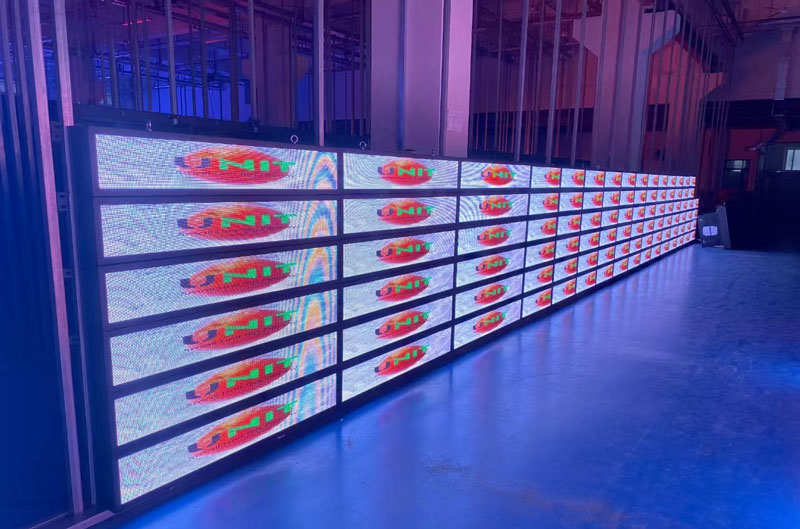
② Die-cast aluminum LED display cabinet
Die-cast aluminum cabinet is often used for rental display screens. It has three core advantages: high strength and precision, light weight, and seamless splicing.
The mold is formed in one step to ensure flatness, and the tolerance accurately controls the splicing seam; the humanized design is matched with the hoisting structure, which is convenient and firm to install; the power connector and concealed connection take into account safety and beauty, and significantly improve the picture display effect.
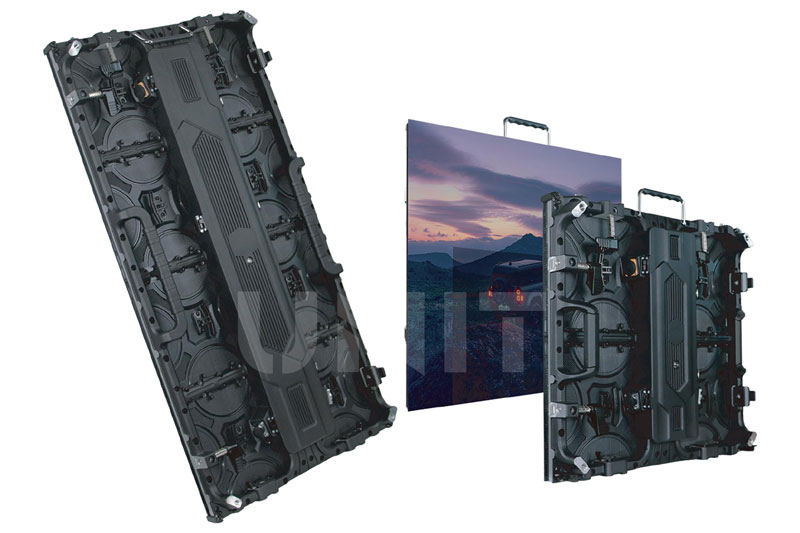
③ Carbon fiber cabinet
The carbon fiber LED screen cabinet is designed to be ultra-thin, light, strong, strong, and light. The fully modular design makes maintenance more convenient, and the 45-degree right-angle edge can realize the 90-degree splicing and installation of the screen. At the same time, a non-transparent backplane is provided, which is suitable for large-scale installation in sports stadium LED display and outdoor advertising lights.
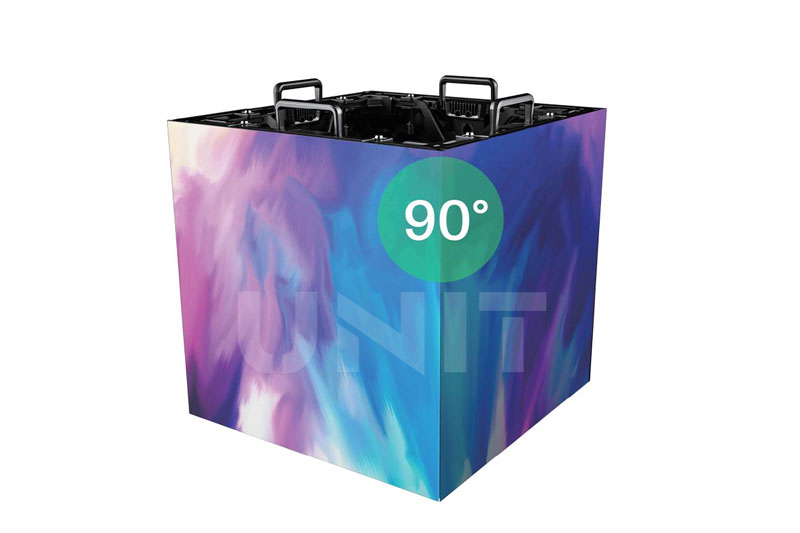
④ Aluminum alloy cabinet
The characteristics of Aluminum alloy LED display cabinet are relatively low density, very high strength, good heat dissipation, good shock absorption, and the ability to withstand a certain load capacity.
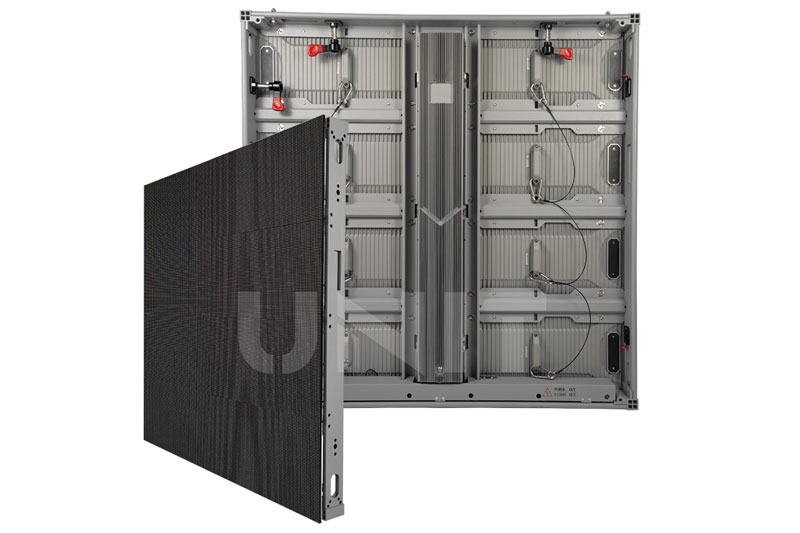
⑤ Magnesium alloy LED display cabinet
Magnesium alloy is an alloy composed of magnesium and other elements. It is characterized by low density, high strength, good heat dissipation, good shock absorption, greater impact load bearing capacity than aluminum alloy, and good resistance to organic and alkali corrosion.
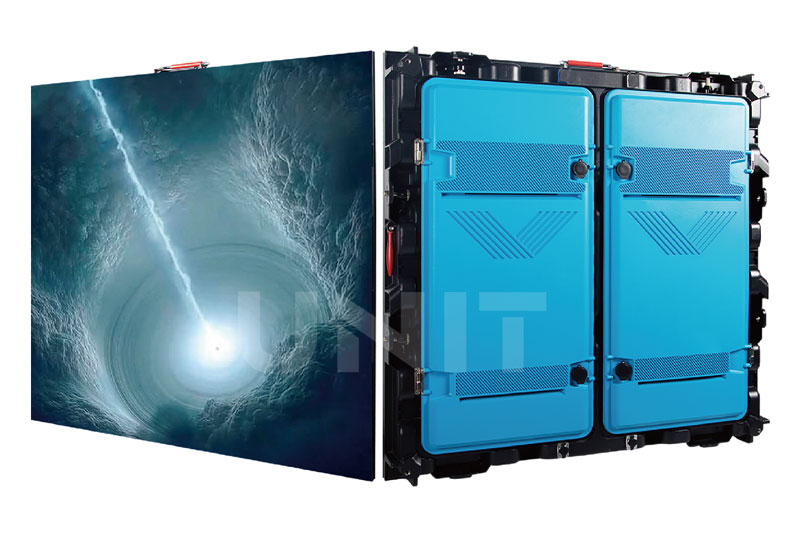
Magnesium alloy is used as LED display cabinet with high cost performance and easy installation. Excellent heat dissipation makes the product more market-advantageous. But at the same time, the price of magnesium alloy cabinet is also higher than other cabinets.
3.2 By Maintenance Method
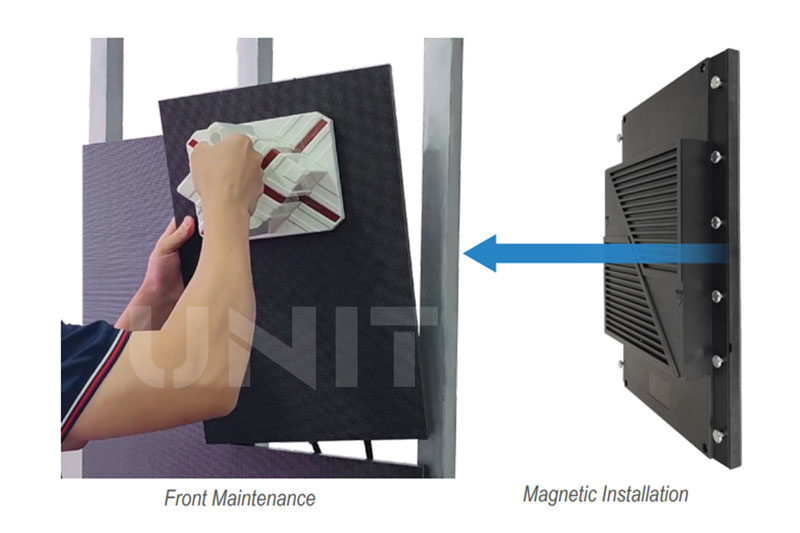
● Front Maintenance Cabinets: Panels are serviced from the front via magnetic attachment or screws, ideal for wall-mounted setups with no rear access.
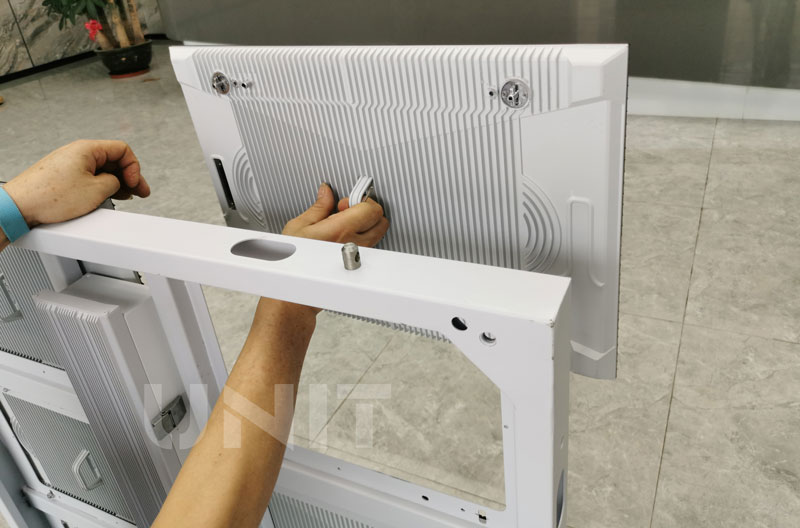
● Rear Maintenance Cabinets: Traditional, lower-cost method with rear access, common for outdoor cabinets and trailer-mounted video walls.
● Dual-Maintenance Models: Combine front and rear access for maximum flexibility and speed in servicing.
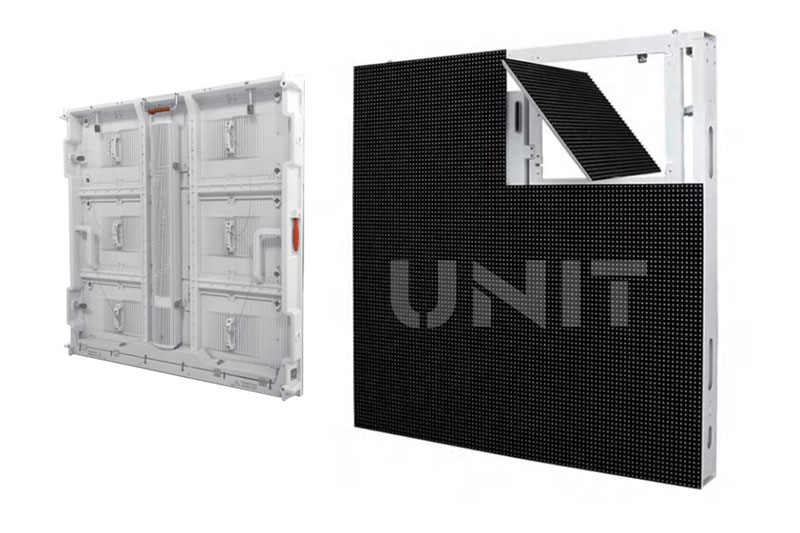
Front Service
Rear Maintenance
3.3 By Application
Outdoor LED Display Cabinet: Often galvanized steel or rugged aluminum, heavy-duty with weatherproofing and high thermal tolerance.
Indoor LED Display Cabinet: Lightweight aluminum, easier on the budget and installation, ideal for retail and corporate settings.
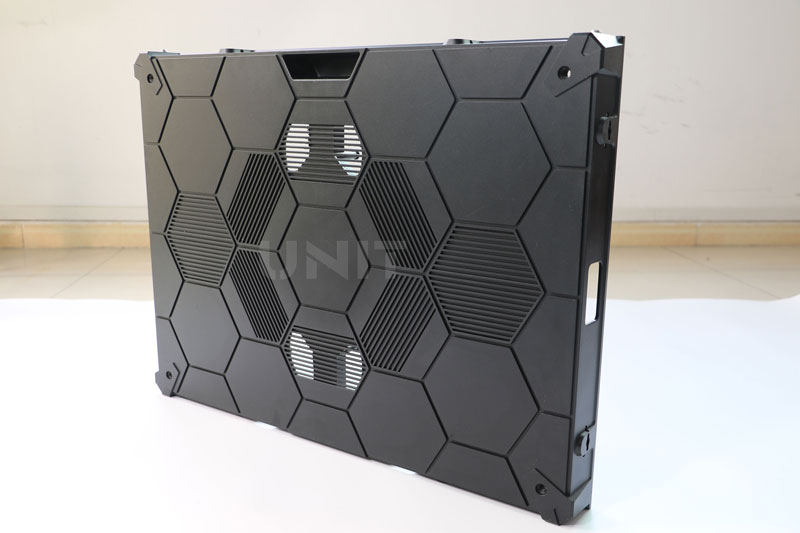
Rental LED Display Cabinets: Standard sizes like 500×500mm or 500×1000mm, built for fast rigging and frequent assembly/disassembly.
Facade & Architectural Cabinets: Mountable directly on building exteriors, designed for slim depth and integration.
3.4 By Shape
Flat/Standard LED Display Cabinet: Most common rectangular or square cabinets form flat LED video walls.
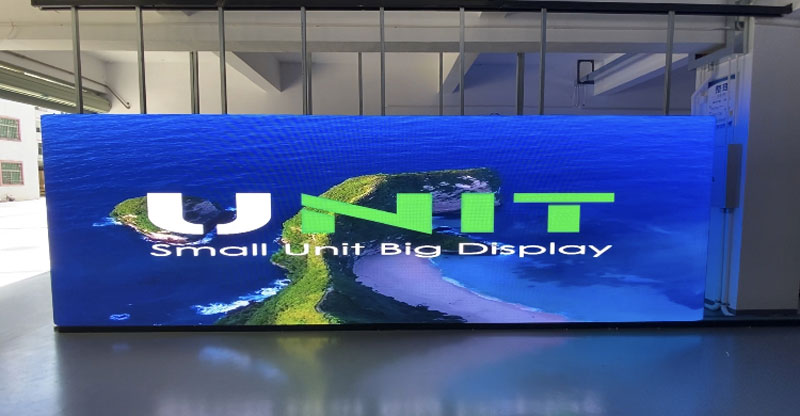
Curved / Arc LED Cabinet: Built-in arc shapes (internal or external) enabling curved installation, like stage LED display or storefront facades.
Circular LED Display Cabinets: Completed ring or cylindrical configurations for immersive environments.
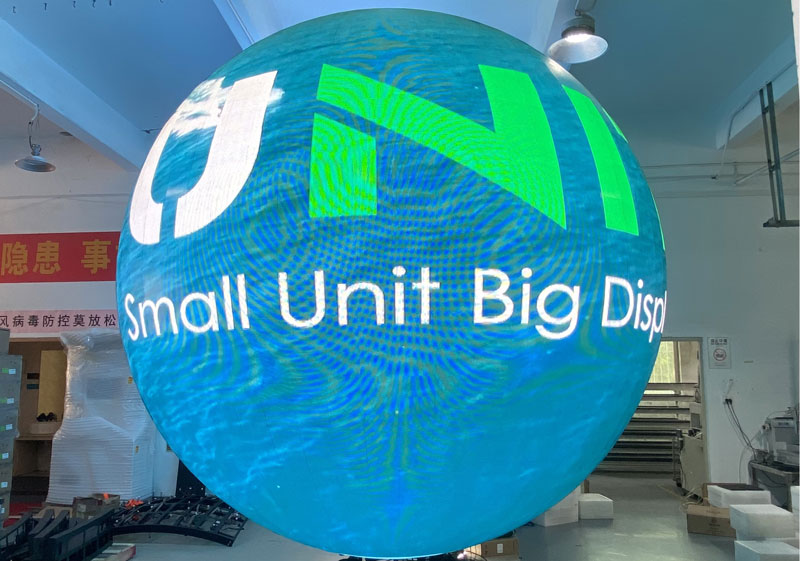
Special-Shaped LED Cabinet: Custom-fit shapes (triangles, trapezoids, etc.) for creative installations, tailored to architectural designs.
Double-Sided LED Cabinet: Serves both sides, common in pole-mount or walkway signage.
Each type serves different needs, from high-durability outdoor screens to sleek indoor retail displays. The choice depends on the installation environment, purpose, and budget.
4. Indoor vs Outdoor LED Cabinet
Choosing the right LED display cabinet is critical for ensuring visual performance, durability, and cost-effectiveness.
Indoor and outdoor LED display cabinets differ significantly in design, materials, and functionality to meet the unique demands of their respective environments. Understanding these differences is essential for making an informed procurement decision.
The following table provides a detailed comparison of indoor and outdoor LED display cabinets across several key parameters:
| Feature | Indoor LED Display Cabinet | Outdoor LED Display Cabinet |
| Dimensions | Typically smaller for indoor spaces and high-resolution needs (e.g., 1000x250mm, 640x480mm). | Versatile sizes, often larger for vast areas and structural strength (e.g., 960x960mm, 1000x1000mm). |
| Brightness | Lower, typically between 800-1,500 nits (cd/m²) to avoid glare. | Higher, typically between 4,500-10,000+ nits (cd/m²) to combat direct sunlight. |
| IP Rating | Lower, typically IP20-IP40; dustproof but not waterproof. | Higher, typically IP65-IP68; fully dustproof and waterproof. |
| Application Scenarios | Conference rooms, control centers, malls, exhibitions, studios, digital signage. | Billboards, stadiums, stage backgrounds, traffic information screens, media facades. |
| Heat Dissipation | Natural convection or minor fan assistance. | Forced air cooling, high-efficiency heatsinks, or air conditioning for high-temp/sealed environments. |
| Protection | Basic dust and impact protection. | Sun, rain, moisture, lightning, corrosion, and UV protection. |
| Maintenance | Often supports front-access maintenance for convenience. | Front or rear access, depending on the installation environment. |
4.1 Key Differences Analysis
Dimensions and Pixel Pitch
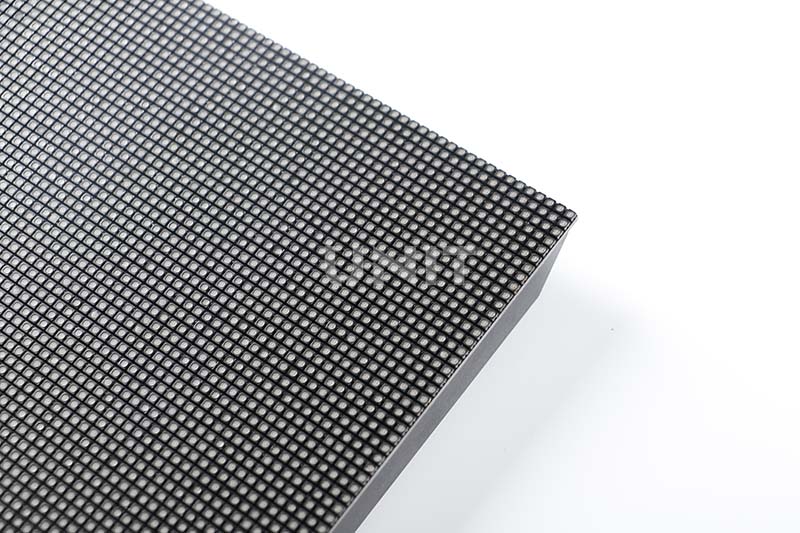
Indoor LED Cabinets: Due to closer viewing distances, indoor LED displays typically use smaller cabinet sizes and finer pixel pitches (e.g., P1.25, P2, P2.5) to provide higher resolution and delicate image quality.
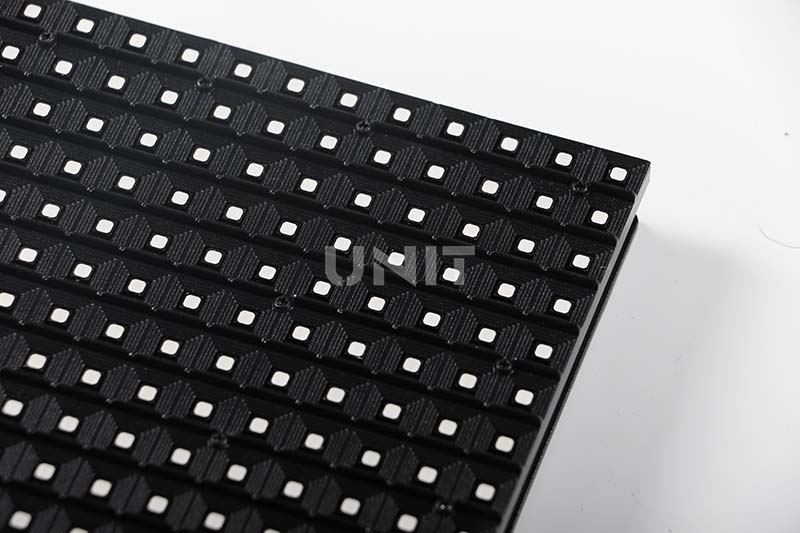
Outdoor LED Cabinets: Viewing distances for outdoor displays are usually much further. Therefore, larger pixel pitches (e.g., P4, P5, P6, P8, P10) and larger cabinet sizes are used to reduce costs while maintaining visual impact. Sizes like 960x960mm or 1000x1000mm are standard for outdoor advertising and stadiums to minimize installation time and structural complexity.
Brightness (Nits)
Indoor LED Cabinets: Ambient light in indoor environments is relatively weak. Excessive brightness can cause viewer discomfort. Therefore, indoor brightness is typically controlled between 800-1,500 nits to provide a comfortable visual experience.
Outdoor LED Cabinets: Outdoor environments are complex and variable, especially under direct sunlight. Outdoor LED display cabinets must feature high brightness, usually between 4,500-10,000+ nits, to ensure clarity and visibility even in the brightest conditions.
IP Protection Rating
Indoor LED Cabinets: Indoor environments are stable, with low requirements for dust and water resistance. An IP20-IP40 rating is sufficient for daily use, primarily preventing dust ingress and accidental contact.
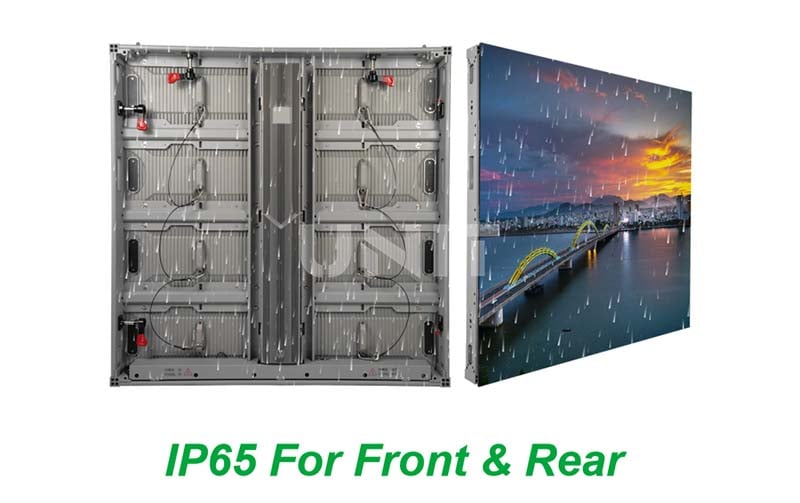
Outdoor LED Cabinets: Outdoor environments are harsh, presenting challenges like rain, dust, humidity, and extreme temperatures. Outdoor cabinets must have high-level dust and water resistance, typically reaching IP65 or even IP68, to protect internal electronics and ensure long-term stable operation.
Application Scenarios
Indoor LED Screen Cabinets: Widely used in places requiring high display quality and close viewing, such as corporate boardrooms, command and control centers, high-end retail malls, exhibitions, TV studios, and digital signage.
Outdoor LED Screen Cabinets: Primarily used for large-scale outdoor advertising, live sports broadcasts, concert stage backgrounds, traffic information displays, and architectural media facades that require long-distance viewing and 24/7 operation.
4.2 How to Choose?
When selecting an indoor or outdoor LED display cabinet, consider the following additional factors:
① Budget: Outdoor cabinets typically cost more due to their higher protection ratings and brightness requirements.
② Installation & Maintenance: Consider the convenience of the installation environment and the ease of future maintenance. For example, high-altitude outdoor screens may require specialized maintenance access.
③ Power Consumption: High-brightness outdoor screens generally consume more power, which should be factored into operational costs.
5. Common LED Cabinet Sizes
Different display projects require different LED display cabinet dimensions:
Outdoor Fixed Installations: 960×960 mm, 1000×1000 mm, 768×768 mm (iron/steel)
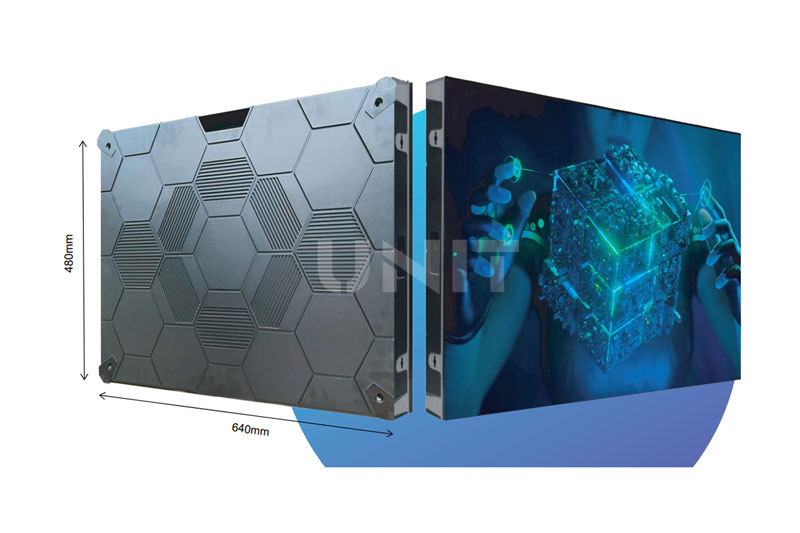
Indoor Fixed Walls: 640×480 mm, 640×640 mm, 960×480 mm cabinets common for corporate and retail screens
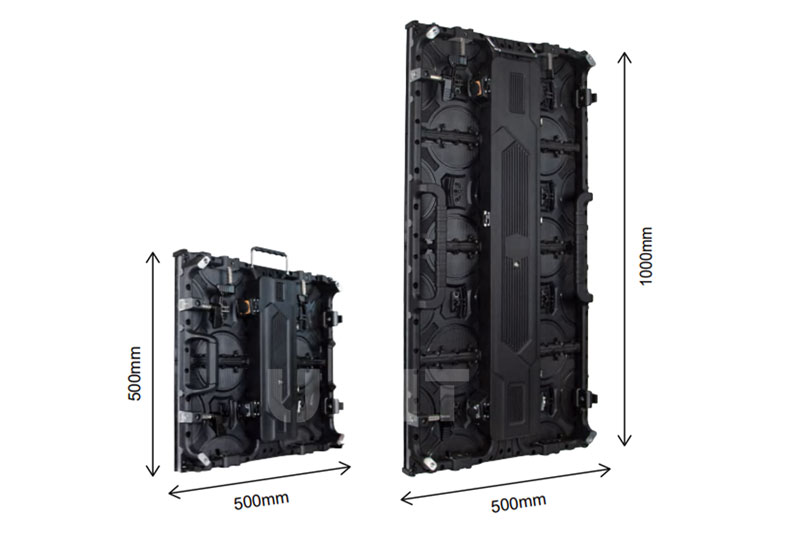
Rental/Event Cabinets: 500×500 mm and 500×1000 mm are typical due to portability and quick assembly
Fine-Pitch Indoor Cabinets: Diverse front-service sizes (e.g., 960×480 mm, 640×480 mm, 640×640 mm, 320×640 mm) offer flexibility for slim installations
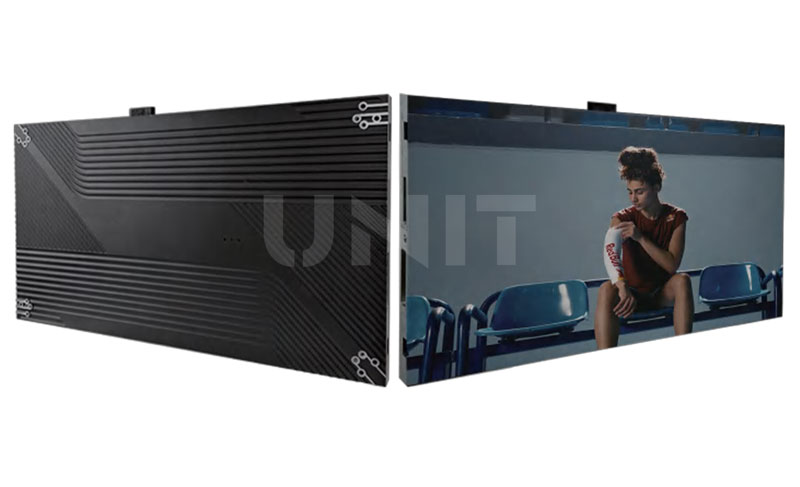
These dimensions match 16:9 aspect ratio and standard aspect ratios, enabling seamless video wall configurations.
6. Should LED Display Choose LED Modules or Cabinets?
In the composition of LED screens, there are generally two options: LED display modules and LED display cabinets. How to choose? Which is better, LED display module or LED display cabinet?
6.1 Basic Composition Difference
LED Display Module:
LED display module is the core component of LED screen, which is composed of several LED lamp beads. The size, resolution, brightness and other parameters of LED module can be customized according to demand. LED module has the characteristics of high brightness, high definition, high contrast, etc., and can present very clear and bright images and videos.
LED Display Cabinet:
LED cabinet refers to the outer shell of LED screen, which is the frame that assembles the various parts of LED screen. It is made of aluminum alloy, steel and other materials, has good heat dissipation performance, and can ensure the stable operation of LED display.
The size, weight, thickness and other parameters of LED cabinet can be customized according to different application scenarios and needs. LED cabinet usually has functions such as waterproof, dustproof and anti-corrosion, and can operate normally in various harsh environments.
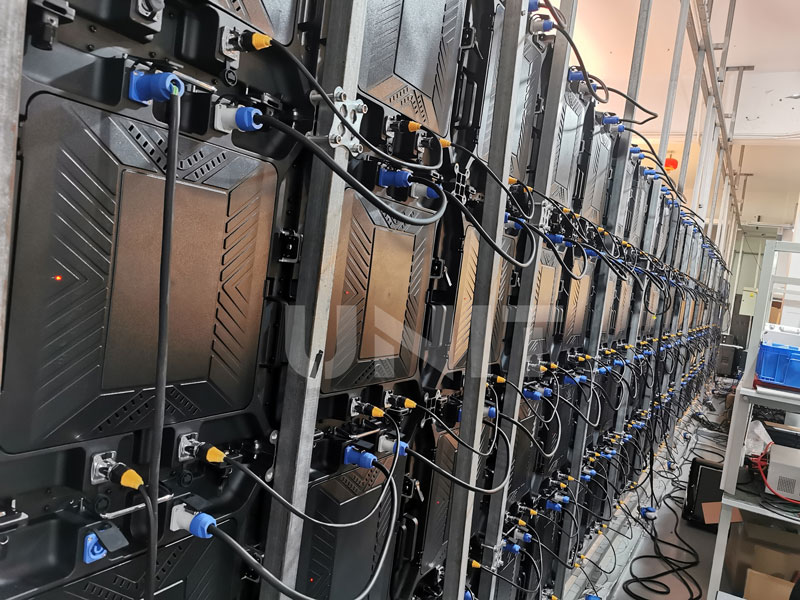 LED Modules for Large LED Video Wall
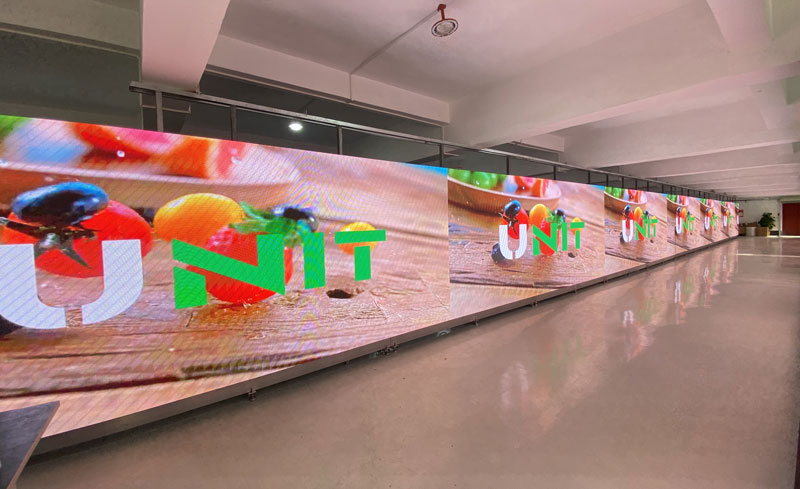
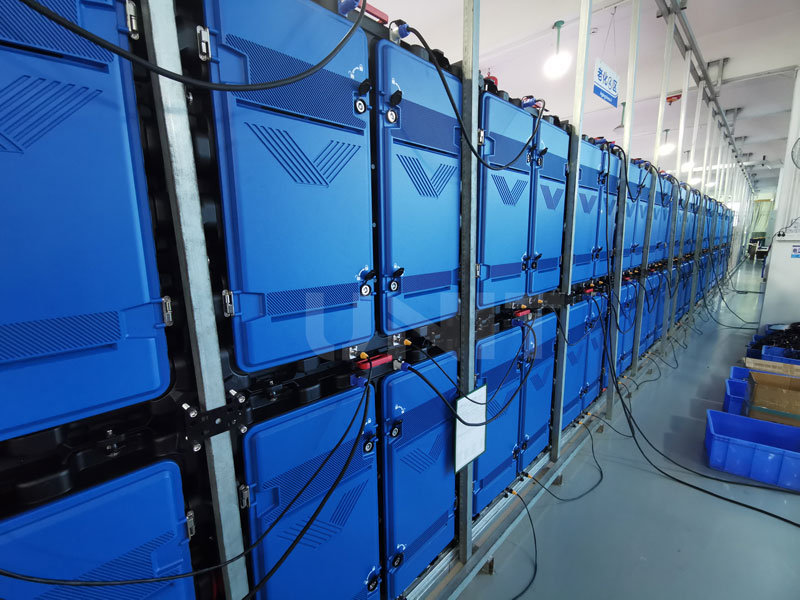 LED Screen Cabinets for Large LED Video Wall
6.2 Case Use
Screen size:
For indoor LED display screens with a pitch greater than P2.0, regardless of the size of the area, it is generally recommended to directly use module splicing, which is more cost-effective.
If the small-pitch screen is larger than 20 square meters, it is recommended to use an LED screen cabinet structure for splicing, and for a small-pitch screen with a smaller area, it is recommended to use module splicing.
Different installation methods:
For floor-standing LED displays, it is recommended to use LED display cabinet splicing when the back is not closed. It is more beautiful and applicable, with better visual effects, and front and rear maintenance will be more convenient and quicker.
The LED display with module splicing needs to be closed separately on the back, which will be less safe, stable, and beautiful. It is generally front maintenance, and a separate maintenance channel is required for rear maintenance.
LED Screen Cabinet Installation
LED Display Module Installation
Flatness:
Because the module size is relatively small, the number of LED modules used in a display screen will be relatively large, and it is manually spliced, so there will be some defects in the splicing seams and flatness, which will directly affect the perception, especially in large-area display screens.
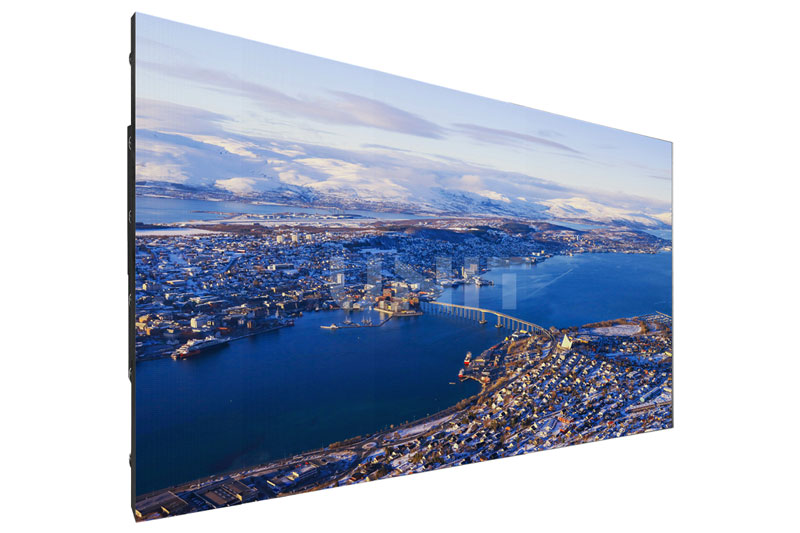
Since the size of the LED display cabinet is larger and the number of cabinets used in a display screen is smaller, the overall flatness can be better guaranteed when splicing, so the display effect will be better.
Stability:
Modules are generally installed by magnetic suction. Magnets are installed on the four corners of each module. Display screens with larger areas will be slightly deformed due to thermal expansion and contraction during long-term use, and the originally flat display screen may have problems with seam misalignment.
The LED screen cabinet installation is generally fixed with screws, which is very stable and not easily affected by external factors.
Price:
Compared with modules, the price of LED display cabinets is slightly higher than that of modules for the same model and area. This is also because the cabinet is highly integrated. At the same time, the LED cabinet itself is made of die-cast aluminum, so the cost investment will be slightly higher.
Of course, when designing the scheme of the actual case, whether to choose an LED display cabinet or a module needs to be selected according to the actual application scenario and needs. In addition, whether it will be frequently disassembled and how much budget is needed to design to achieve the best effect and experience.
7. Choose the Right LED Display Cabinet: A Step-by-Step Guide
How to choose the right LED display cabinet? Be sure to consider your usage scenario, cabinet specifications, maintenance methods, and other factors to make a reasonable choice.
① Identify Your Installation Environment
Determine whether the LED display cabinet is for indoor, outdoor, event, or mobile use. Outdoor cabinets need weatherproofing (IP65+), corrosion resistance, and strong structural support, often found in steel or rugged aluminum builds.
② Select the Appropriate Material
- Galvanized steel offers durability and cost efficiency for fixed outdoor screens.
- Aluminum alloy is lightweight and precise—ideal for indoor or rental setups.
- Magnesium or carbon fiber panels are ultra-light and ideal for premium, curved designs.
③ Choose the Right Cabinet Size
Common sizes include:
- Outdoor: 960 × 960 mm or 1024 × 1024 mm
- Indoor/event: 640 × 480 mm, 500 × 500 mm, or 500 × 1,000 mm panels
Size impacts both visual alignment and handling convenience.
④ Decide on Maintenance Accessibility
- Front-access cabinets allow module replacement when rear access is limited.
- Rear-access cabinets are often more budget-friendly and easier to cool.
⑤ Assess Thermal Management Features
Look for LED cabinets with effective cooling (fans, vents, or heat sinks), especially for outdoor LED displays or high-brightness screens.
⑥ Set Your Budget & Compare Brands
The LED display cabinet prices range from $60 to $200/m², depending on material, access design, and extras (like IP ratings or quick-lock systems).
Choose the right cabinet to ensure that the LED display is durable, seamless, and easy to maintain. Enter your requirements and customize the right cabinet for you!
Width(m)
Height(m)
Project Application
Your Email
Your Telephone
Country
GET YOUR PRICE NOW !
8. Calculation Method of LED Display Cabinet Quantity
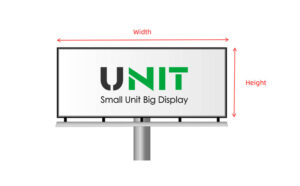
The key to calculating the number of LED display cabinet required for an LED display project is to decompose the total area or total size of the display into integer multiples of the size of a single cabinet, that is
Total number of cabinets = (total length ÷ single cabinet length) × (total width ÷ single cabinet width)
For example:
A 6m long and 3m high outdoor LED display is required, and the cabinet uses a 960mm*960mm LED screen cabinet:
Number of LED cabinets in the length direction = total length ÷ single cabinet width
The number of horizontal modules is 6000mm÷320mm=18.75 sheets, and 18 or 19 modules can be taken. If 18 modules are taken, it is 18*320mm=5760mm, and the net screen length is 5760mm÷960mm=6, so the number of horizontal cabinets is 6.
Number of LED cabinets in width direction = total width ÷ single cabinet height
The number of modules in the vertical direction is 3000mm ÷ 160mm = 18.75 sheets, and 18 or 19 modules can be taken. If 18 modules are taken, it is 18*160mm=2880mm, and the net screen height is 2880mm ÷ 960mm = 3, so the number of boxes in the horizontal direction is 3.
Total number of LED cabinets = Number of cabinets in length direction × Number of cabinets in width direction
Total number of boxes = 3*6=18
The calculation result must be an integer, rounded up or down based on the actual size. If a decimal appears when calculating the number of LED display cabinets, it means the selected cabinet size cannot perfectly cover the total area. In this case, you can either choose a different cabinet size or adjust the display dimensions slightly so that they are divisible by the cabinet size.
Other Factors to Consider:
In practical installation scenarios, extra space is often needed for structural support frames, installation tolerances, heat dissipation clearance, and maintenance access. These elements should be factored into the overall space planning, although they do not influence the calculation of the required number of cabinets.
For large-scale or complex outdoor installations, it is advisable to purchase an additional 2% to 5% of cabinets as spares. This accounts for potential damage during shipping, storage, and on-site handling, and ensures the availability of replacement units for future maintenance needs.
Supplementary key: “One cabinet, one card” — each cabinet has one receiving card responsible for driving and controlling all LED modules within it — is a core concept in LED display system design. It directly impacts cost, signal stability, and maintenance. The number and configuration of receiving cards must be planned based on the total number of cabinets.
9. FAQs
An LED display cabinet is the structural unit that makes up a large LED screen. Each cabinet is a self-contained metal enclosure housing LED modules, a power supply, a receiving card, and the necessary cables. Multiple cabinets are assembled, like building blocks, to form a complete LED video wall of any size.
Cabinets are typically made from die-cast aluminum, steel, or magnesium alloy, and are available in standardized sizes such as 500×500mm, 500×1000mm, and 960×960mm.
An LED module is the smallest display unit, a small PCB board with LED chips arranged in a grid. An LED cabinet is the enclosure that holds multiple modules together (typically 4–16 modules per cabinet), along with the power supply and receiving card.
Divide your target screen dimensions by the cabinet dimensions. For example, to build a 4m × 3m screen using 500×500mm cabinets:
Columns: 4000 ÷ 500 = 8 columns
Rows: 3000 ÷ 500 = 6 rows
Total: 8 × 6 = 48 cabinets
For an exact quotation including power consumption, total weight, and cabinet count, contact UNIT LED with your target screen dimensions and viewing distance.
| Feature | Indoor cabinet | Outdoor cabinet |
|---|---|---|
| Brightness | 800 – 1,500 nits | 5,000 – 10,000 nits |
| IP rating | IP30 – IP43 | IP65 – IP68 |
| Cabinet material | Die-cast aluminum | Steel / reinforced aluminum |
| Pixel pitch | P1.2 – P4 | P5 – P16 |
| Ventilation | Natural convection / fan | Active cooling + weatherproofing |
| Weight | Lighter (rental-friendly) | Heavier (fixed mounting) |
Front-service cabinets allow technicians to remove modules, power supplies, and receiving cards from the front face of the screen, without needing access to the rear. This is essential for wall-mounted or window-embedded installations where the back is inaccessible.
Rear-service cabinets are accessed from behind. They are typically used for screens mounted on a free-standing structure or within a cabinet enclosure that allows rear access. They tend to be thinner
and lower cost than front-service equivalents.
10. Conclusion
An LED display cabinet is the vital chassis system that holds LED modules, electronics, and cabling together. It ensures structural integrity, cooling, access for maintenance, and smooth power/signal integration, enabling large, modular, and serviceable LED video walls.
Related Posts
LED Screen Size Explained: A Complete Buyer’s Guide (2026)
May 13, 2026
This guide will explain everything you need to know about LED screen size. Let’s dive in! Just read and become an expert!
Read More »
Giant LED Screen: What You Have to Know!
September 15, 2025
In this post, you will learn something about giant LED screen. Such as features, price, tips for using, and more!
Read More »
LED Screen Panel Size: Choose the Best Size for Your Need
July 2, 2025
One of the most critical factors in selecting an LED display is its LED screen panel size. Explore Custom LED video wall panel sizes for any space or event.
Read More »