LED Electronic Billboard: Cost, Types & Buying Guide [2026]
As a leader in modern advertising, the LED electronic billboard has become the preferred promotion tool for many brands due to its high visibility and flexibility.
This article will explore the unique advantages of electronic LED billboards, share successful case studies, and provide practical tips for maximizing advertising effects.
Are you ready to explore the infinite possibilities of electronic LED displays? Let’s get started!
Table of Contents
Quick Buying Summary for LED Electronic Billboards
An LED electronic billboard is best for businesses that need a bright, durable, and updateable outdoor advertising display.
Compared with printed billboards, it can show videos, animations, scheduled ads, real-time messages, and multiple campaigns on one screen.
For buyers, the most important factors are installation location, screen size, pixel pitch, brightness, waterproof rating, control system, maintenance access, and total project cost.
| Buying Factor | Why It Matters | Common Recommendation |
|---|---|---|
| Location | Affects visibility, structure design, permits, and advertising value. | High-traffic roads, shopping centers, building facades, stadiums, and commercial districts. |
| Pixel Pitch | Controls image clarity and viewing distance. | P4-P6 for closer viewing, P6-P10 for roadside and long-distance outdoor billboards. |
| Brightness | Determines whether the billboard stays visible in direct sunlight. | 5,000-10,000 nits for most outdoor LED electronic billboard projects. |
| Protection Level | Outdoor billboards must handle rain, dust, heat, and wind. | Choose outdoor LED displays with strong waterproof and weather-resistant design. |
| Control Method | Decides how ads are uploaded, scheduled, and updated. | Use asynchronous control for scheduled ads and synchronous control for real-time content. |
1. What is An LED Electronic Billboard?
LED electronic billboard, also known as a digital billboard or electronic advertising board, is an advertising medium that uses electronic advertising boards.
Unlike traditional static billboards, electronic billboards can play dynamic content such as videos and animations. This feature makes them an indispensable part of modern advertising.
1.1 Definition of An Electronic LED Billboard
The definition of an LED electronic billboard is simple. It is an outdoor advertising device that uses LED screens to display advertising content.
LED electronic billboards are usually installed in high-traffic areas such as city centers, traffic arteries, shopping malls, and stadiums. Since they can be controlled remotely, the advertising content can be changed at any time to ensure that the information is always fresh and relevant.

1.2 The Importance of Digital LED BillBoard
In modern advertising, the role of outdoor digital LED billboards is crucial. They not only provide an efficient platform to showcase brands and products but also attract a large number of potential customers.
(1) Smart Advertising Platform
As technology develops, LED electronic billboards are becoming more and more intelligent. They are able to adjust content based on real-time data of the audience, improving the accuracy and effectiveness of advertising.
Whether it is day or night, they can attract the attention of passers-by with bright colors and dynamic images. This high visibility allows brand information to spread quickly, improving brand awareness and memory.
(3) Powerful Interactive Function
By integrating with mobile applications and social media platforms, viewers can participate in interactions, get more information, or enjoy specific offers. This interaction not only enhances the user experience but also increases the engagement and effectiveness of advertising.
In short, digital electronic billboards have become an indispensable and important tool in modern advertising with their flexibility, high visibility, and interactivity. They can not only effectively convey brand information, but also promote interaction with consumers, bringing significant value and returns to brands.
2. What Does an Electronic BillBoard Do?
2.1 Display Dynamic and Interactive Content
The digital LED electronic billboard can play videos, animations, and scrolling text, which makes advertising content more attractive and interactive. Dynamic content is easier to attract audiences’ attention than static images and can better convey complex information.
In addition, through integration with mobile apps and social media platforms, viewers can scan QR codes or use specific tags to participate in interactions, get more information, or enjoy special offers.
2.2 Instantly Update Content
Unlike traditional static advertising posters, various indoor/outdoor electronic billboards can update content at any time. This flexibility enables advertisers to quickly adjust advertising content according to market demand and event schedules.
For example, display different ads at different periods or automatically switch advertising content according to weather conditions.
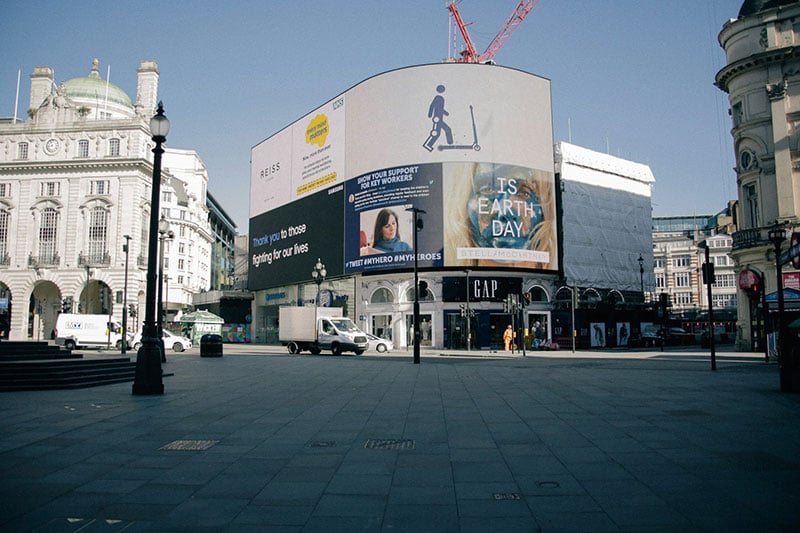
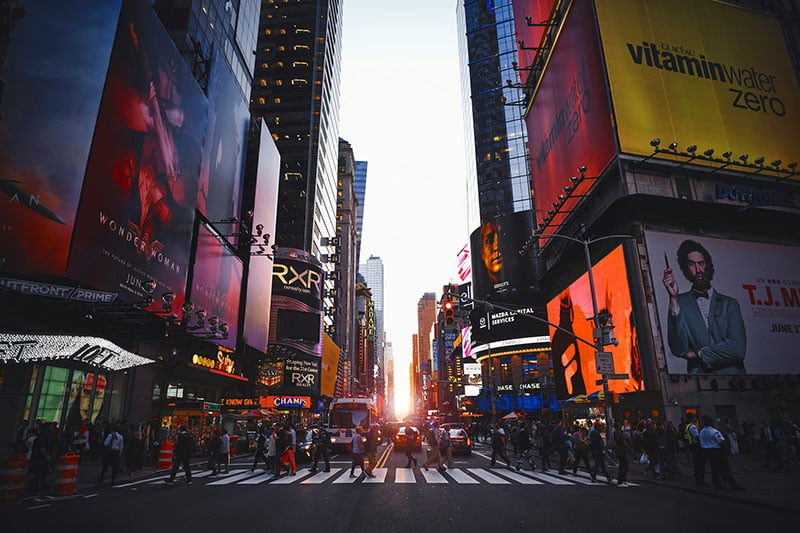
2.3 Targeted Advertising and Data Analysis
Modern advertising LED display screens are equipped with advanced sensors and data analysis technologies. They can adjust advertising content based on real-time data of viewers.
For example, through cameras and facial recognition technology, digital LED billboards can identify the gender, age, and emotions of viewers and display corresponding advertising content.
Personalized advertising delivery methods help improve the precise coverage of advertisements.
2.4 Enhance Brand Recognition and Memorability
LED billboards not only display products and services but also enhance brand recognition and memorability through creative design and brand stories. Bright colors, dynamic images, and interesting content can help brands leave a deep impression on the audience.
Long-term use of electronic bill boards for brand promotion can effectively increase brand awareness and loyalty.
2.5 Drive Sales and Conversions
Through clear calls to action, such as visiting a website, downloading an app, ordering a product, etc., LED electronic billboard can directly drive sales and conversions.
For example, information about limited-time offers and promotions can spread quickly.
Calls to action attract consumers to take immediate action, thereby increasing sales performance.
3. Benefits of Electronic LED Billboard Advertising
3.1 Wide Coverage
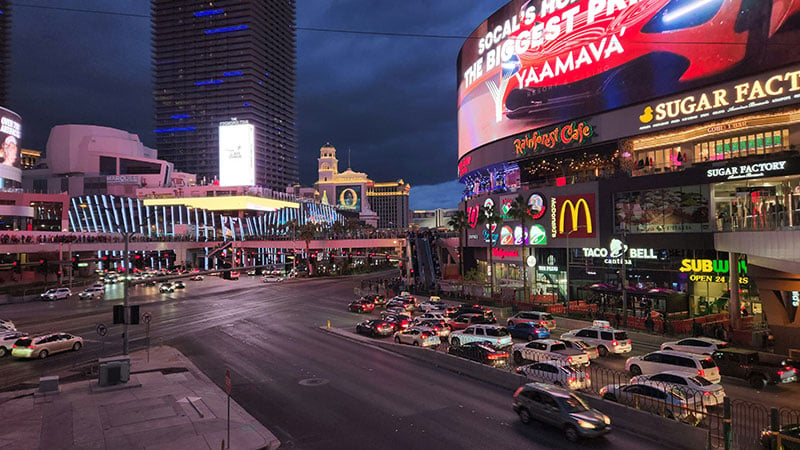
Advertising electronic LED displays are usually set up in high-traffic areas such as city centers, major traffic arteries, and busy commercial areas. The bright display screens and dynamic content can attract a lot of attention.
Both pedestrians and drivers will be attracted by these eye-catching advertisements, thereby increasing the exposure of advertisements.
3.2 High Flexibility
The content of the LED electronic billboard can be updated at any time, providing great flexibility. Advertisers can adjust advertising content instantly in response to market demand, promotions, and other variables.
3.3 Cost-effectiveness
Compared with traditional advertising billboards, commercial advertising LED billboards are more cost-effective.
Although the initial investment may be high, its long-term return rate is very considerable. It can display multiple advertisements simultaneously, greatly improving the utilization rate of advertising space.
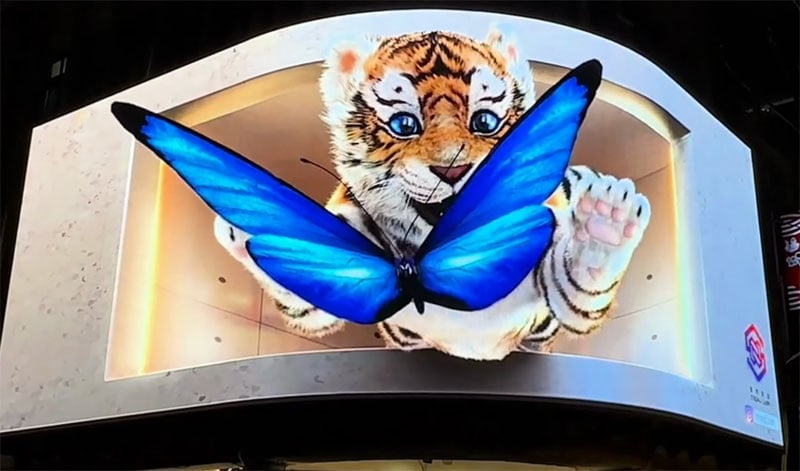
3.4 Naked-eye 3D Electronic Billboard
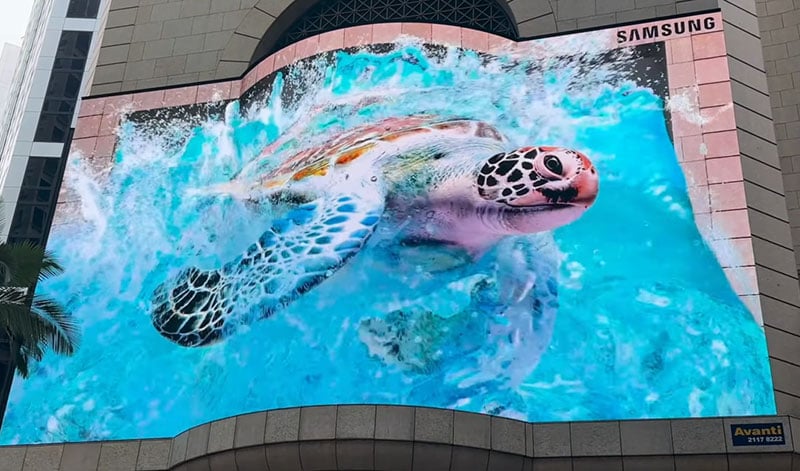
Currently, the most popular outdoor advertising electronic LED display is the 3D billboard.
3D advertisements that combine immersive 3D visual images with commercial marketing promotions can attract the attention of potential customers more than ordinary advertisements.
It is worth noting that the cost of 3D billboards is also higher than that of ordinary outdoor LED billboards. Among them, the production cost of 3D advertising video materials accounts for a considerable proportion.
3.1 LED Electronic Billboard vs Traditional Billboard vs LCD Billboard
The main advantage of an LED electronic billboard is that it combines outdoor visibility with flexible digital content control.
Traditional billboards are cheaper at the beginning, but every content change requires printing and manual replacement.
LCD displays can work for some indoor or semi-outdoor spaces, but large outdoor advertising normally needs higher brightness, stronger structure, and better weather resistance.
| Display Type | Best For | Main Advantages | Limitations |
|---|---|---|---|
| LED Electronic Billboard | Outdoor advertising, highways, commercial buildings, shopping malls, stadiums, and city landmarks. | High brightness, dynamic video content, remote updates, long lifespan, and strong visibility. | Higher initial investment and requires professional installation. |
| Traditional Printed Billboard | Simple long-term advertising with fixed messages. | Lower upfront display cost and simple structure. | No video, no real-time update, printing cost, and slower content replacement. |
| LCD Advertising Display | Indoor advertising, retail stores, airports, and commercial interiors. | Good image quality at close viewing distance. | Not ideal for very large outdoor billboards, direct sunlight, or harsh weather. |
If your project needs outdoor visibility, flexible ad scheduling, and long-term advertising value,
an LED electronic billboard is usually the more practical choice.
4. How to Improve the ROI of LED Billboards?
Multiple aspects need to be optimized to fully utilize the potential of the LED electronic billboard and achieve maximum advertising effect. Here are some practical strategies and tips:
4.1 Choose the Best Location
The location selection of LED electronic billboards is crucial.
Choose areas with high foot and vehicle traffic, such as city centers, commercial areas, traffic arteries, and shopping malls. In addition, consider the audience’s sight line and viewing angle to ensure that the billboard is installed in a conspicuous and easy-to-see location.
4.2 Creative Design
- Ensure that the message is conveyed by using a simple and visually impactful design.
- Use high-contrast colors, large fonts, and simple graphics to avoid information overload.
- Dynamic content, such as videos and animations, can enhance visual appeal, but make sure they are not too complicated or distracting.
4.3 Content Update
Change the advertising content regularly to keep it fresh. Adjust the advertising content according to seasons, festivals, promotions, and market changes. For example, display specific promotional information during festivals.
Regular updates will not only attract new eyes but also keep the interest of existing audiences.
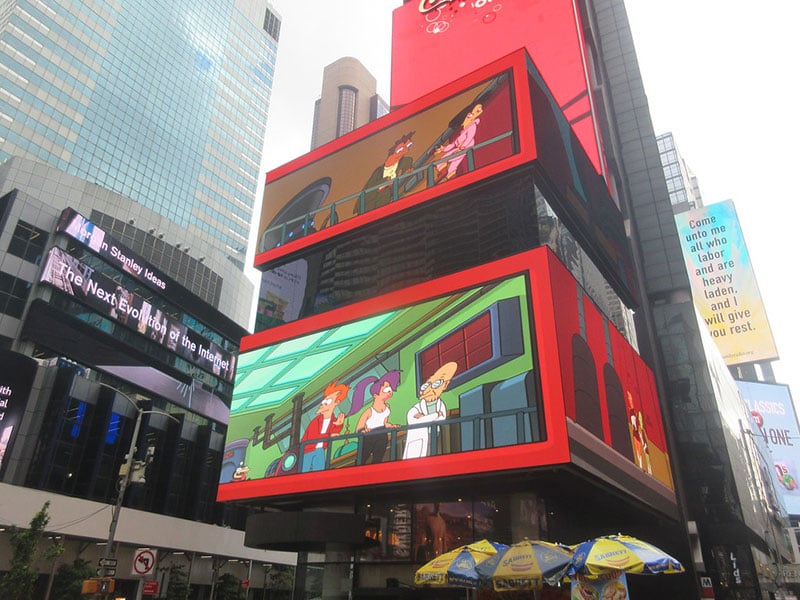
4.4 Combine with Other Marketing Channels
Integrate electronic billboards with other marketing channels to expand coverage. For example, display social media accounts and hashtags on billboards to encourage viewers to interact and share online.
Combined with mobile applications, use QR codes and NFC technology to allow viewers to get more information or participate in activities through their mobile phones.
4.5 Clear Call to Action
Include a clear call to action (CTA) in the advertisement to motivate viewers to take specific actions.
A CTA can be to visit a website, download an app, order a product, or participate in a promotion. Make sure the CTA is concise and easy to understand. For example, “Visit our website now for more information”, “Scan the QR code to enjoy special offers”, or “Follow our social media accounts to participate in the lucky draw”.
4.6 Optimize Advertising Content
Optimize advertising content according to the target audience and advertising purpose.
For example, if the target audience is young people, you can use more fashionable and interactive content. If the goal is to promote new products, you can focus on the product’s unique selling points and discount information. Adjust the advertising content for different periods.
5. How Much Does it Cost?
5.1 How Much Does LED Electronic Billboard Advertising Cost?
Here are some typical electronic billboard cost ranges, which may vary depending on the market and needs:
|
Billboard Location Type |
Estimated Monthly Cost |
|
Small city or suburban billboard |
$1,000 – $5,000 per month |
|
Medium city billboard |
$5,000 – $20,000 per month |
|
Large city billboard |
$20,000 – $100,000+ per month |
|
Landmark location (e.g., Times Square) |
$100,000 – $1,000,000+ per month |
In addition to the initial equipment purchase cost, investing in an LED billboard also requires paying for installation, maintenance, electricity, content production, licenses, site rental, insurance, and taxes. These costs can significantly increase the overall investment cost, so before deciding to invest, detailed budgeting and planning are required to ensure that all potential costs are taken into account.
However, in the long run, electronic advertising displays can achieve better advertising benefits than traditional static billboards.
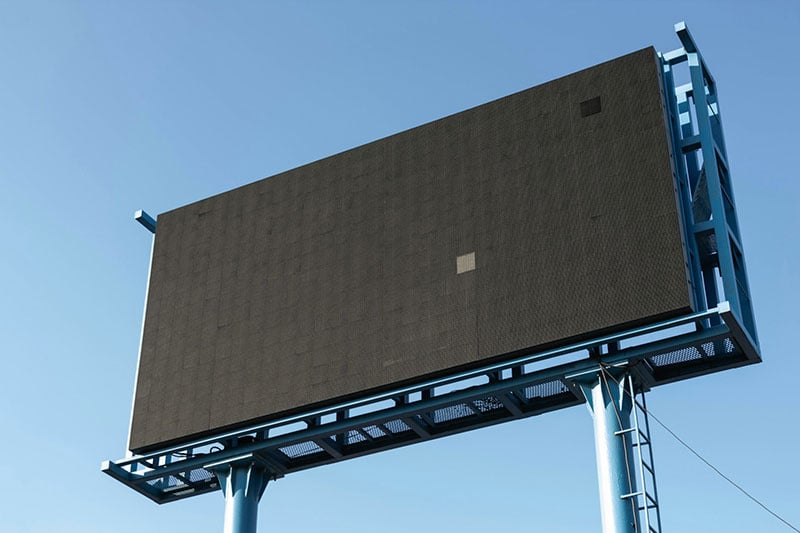
5.2 Electronic LED Billboard Cost
The electronic billboard cost varies depending on several factors, but the general price range is as follows:
|
Billboard Type |
Description |
Estimated Cost |
|
Small Electronic Billboards |
Single-post, small screen |
$10,000 – $50,000 |
|
Medium Billboards |
Medium-sized screens, mounted on buildings |
$50,000 – $150,000 |
|
Large LED Billboards |
Large highway billboards and large commercial district billboards |
$150,000 – $500,000 or more |
5.3 6 Factors Affecting Digital LED Billboard Cost
(1) LED Electronic Billboard Size
The physical size of the LED electronic signs directly affects the cost. Larger screens require more LED modules and stronger support structures.
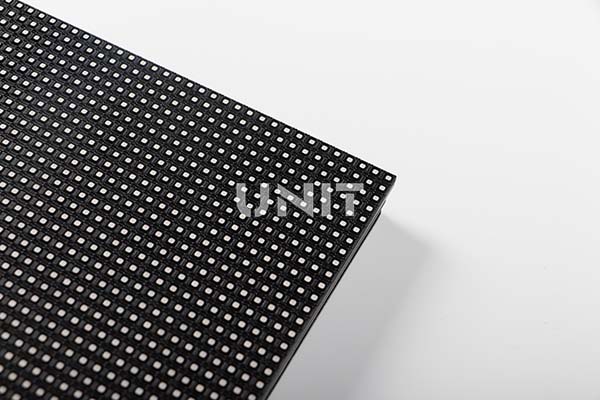
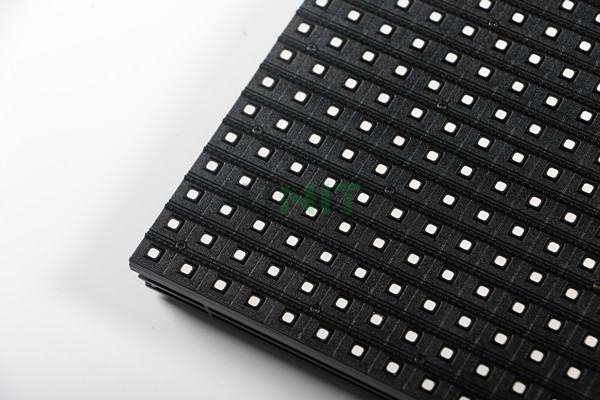
(2) Pixel Pitch
The smaller the pixel pitch of the screen, the higher the resolution (pixel density), the better the display effect, and the higher the cost. High-resolution screens require more LED lamp beads.
Outdoor P4 LED screen
Outdoor P10 LED module
(3) Display Technology
The display technology used (such as LED, LCD) and whether it supports high-resolution displays such as HD or 4K.
(4) Brand and Quality
The brand and product quality of the choice. Well-known brands and high-quality products are usually more expensive but have better lifespan and performance.
(5) Features and Accessories
Additional features and accessories, such as waterproof, dustproof, windproof design, an intelligent control system, etc.
https://youtu.be/Myohw0fsD1M?si=5mg7_C1qdvQyBVOm
(6) Maintenance and Warranty
Long-term warranty and free maintenance services may increase the initial LED display screen cost, but reduce later expenses.
5.4 Rental Costs of LED Advertising Billboard
The cost of renting an LED billboard varies depending on several factors, and the specific rental fee can range from a few thousand dollars to tens of thousands of dollars. Here are some of the factors that affect it:
(1) Location
Urban vs. Suburban: The LED electronic billboard in downtown areas and busy business districts has higher rental fees, while billboards in suburbs or small cities have relatively lower rental fees.
(2) Traffic Volume
Roads with heavy traffic and areas with dense pedestrian traffic have higher rental fees because they attract more attention.
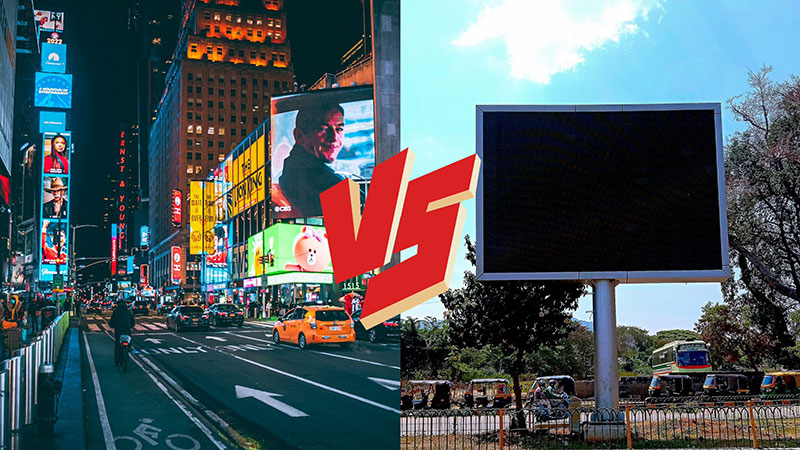
(3) Digital LED Billboard Size
Large electronic LED billboards have higher rental fees than small billboards. The size of the LED electronic billboard directly affects its visibility and advertising effectiveness.
(4) Display Time
Rent duration: Short-term rentals (such as a week or a month) cost less, while long-term rentals (such as six months or a year) cost more, but long-term rentals may have discounts.
(5) Display Frequency
Ads displayed throughout the day cost more than those displayed only during certain hours.
(6) Market Demand
Advertising LED billboard rental fees are generally higher in markets with high advertising demand and fierce competition. For example, during holidays or major events, the rental fee for outdoor advertising LED screens may increase because advertising demand increases at this time.
6. UNIT Electronic Billboards for Sale
UNIT LED offers a variety of models of LED display screens specifically designed for indoor/outdoor advertising.
These displays feature high brightness, high definition, and flexible installation methods. The high-quality screens provide you with the ideal solution.
Here are some features of UNIT LED advertising LED display and operation videos:
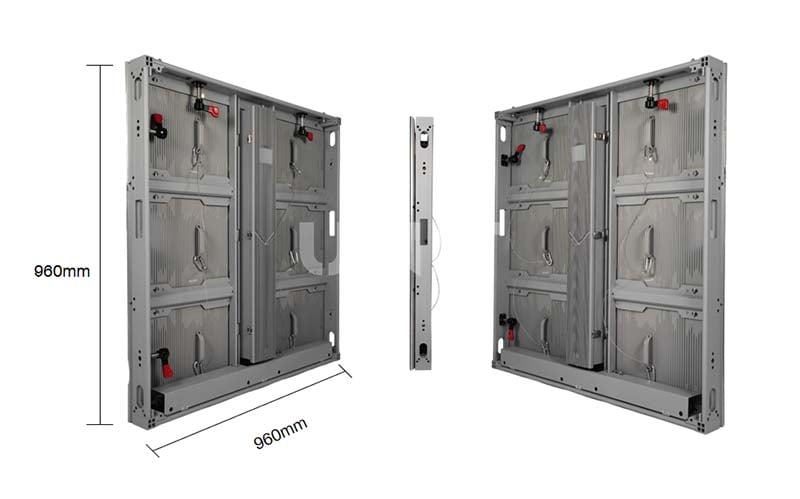
(1) EV960 Series Outdoor LED Billboard
- High Protection Aluminum Chassis Panel Design
- Energy Saving LED Display
- Standard size cabinet with 960*960mm dimension, 480mm*320mm module size
- Easy to install and disassemble
- CE, Rohs Approved
- 3-Year Warranty and 3% Spare Part
-
Compatible pixel pitches with P6.67 – 10mm. -
Standard size cabinet with 960*960mm dimension; -
Super quick installation and maintenance; -
High Protection Aluminum Chassis Panel Design. -
Module waterproof design, front and rear waterproof grade IP68 Brightness is 6000-10000 cd/m²,
https://youtu.be/rmoTUXVJMQk?si=Wv6D6petqUTtL-7I
EV960 Introduction
https://youtu.be/4m7qmPNCyKc?si=fNfViq6vucZ43q0p
EV960 3D Billboard
(2) OF800 Series Advertsing LED Billboard
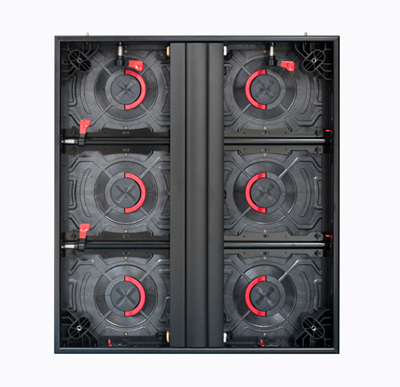
- Unique cabinet design with 800×900mm and 800×1200mm size
- 400*300mm LED module panel
- Front service design for easy installation and disassembly
- Energy saving LED screen
- Multi-usage with kinds of installations
- CE, Rohs Approved
- 3 Year Warranty and 3% Spare Part
-
Compatible with P4.16/P5.0/P6.25/P8.33/P10mm; -
Support front and rear maintenance, easy and convenient operation; -
Module waterproof design, front and rear waterproof grade IP65; -
Brightness is 6000-6500cd/m², the picture is clearly visible under direct sunlight. -
Energy-saving ability, saving your electricity cost;
OF800 Aging Test
https://youtu.be/e8d8UoCF3mU?si=PEwoOKVHXlnM93BChttps://youtu.be/2_aIejkYSs0?si=dLMJ5CVurAs3tPSH
Front Service Guidance
(3) MA960 Series Fixed LED Display
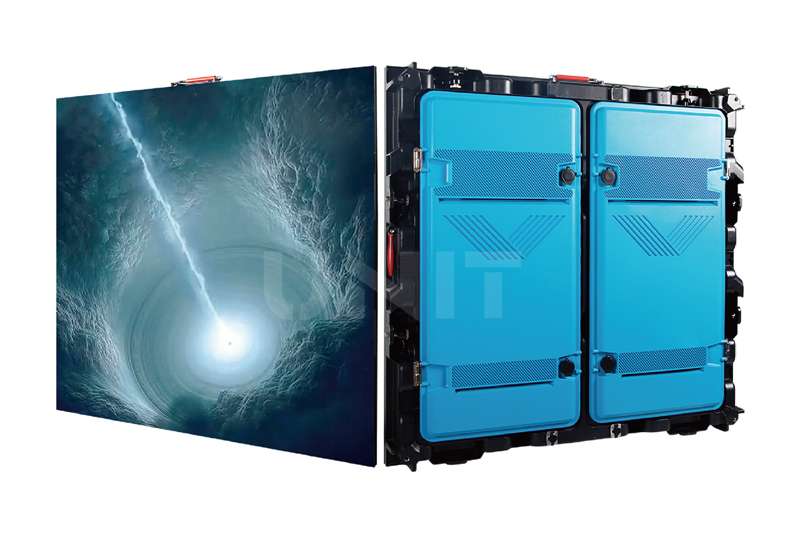
- Standard size cabinet with 960*960mm dimension
- Magnesium alloy cabinet design
- Indoor & outdoor LED display
- Energy saving >50% design
- IP65 high waterproof level
- CE, Rohs Approved
- 3 Year Warranty and 5% Spare Part
Learn More
https://youtu.be/NHEkywXKpw0?si=qG6Ob7JuA9K0y_MP
How to Install TB1 Asynchronous Card?
https://youtu.be/9mSYuWXpzDU?si=3jEDQwiw9BsKhg7o
How to Use Quick Lock?
7. How to Control Indoor/Outdoor LED Billboard?
The control method of LED advertising screens is the key factor that determines their display effect and ease of operation.
The main control methods are synchronous control and asynchronous control. Each of these two methods has its own unique working principle and applicable occasions. Below, we will introduce these two control methods and their application scenarios in detail.
(1) Sync Control
What is Sync Control?
Sync control refers to the real-time connection between the LED display and the control system (such as a computer), and the content displayed on the screen is driven by the computer’s graphics card, video source or content management system. All data transmission needs to be carried out through a dedicated hardware interface, usually using a network connection, USB or other dedicated transmission methods.
Under sync control, the computer ensures that the display of all LED pixels is completely synchronized with the content on the computer by updating and controlling the display content of the LED screen in real time.
Therefore, users can change the display content instantly on the computer, and the LED screen will reflect these changes in real time.
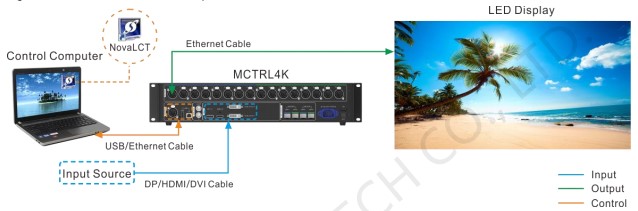
Application occasions:
Sync control is usually suitable for occasions that require high precision and real-time updates, such as:
-Large venues: such as stadiums, concerts or concerts, real-time display of game information, advertisements or live broadcasts.
-Advertising companies: occasions where advertising content needs to be changed at any time and synchronized with market demand.
-Control center: such as a monitoring room or command center, which requires the display of real-time data, video and monitoring images.
(2) Async Control
What is Async Control?
Async control means that the data of the LED display does not rely on a real-time computer connection, but stores the content in the control system of the LED screen itself.
Usually, the content is pre-uploaded to the controller of the LED display through a USB flash drive, SD card or other storage media, and the controller plays the content according to a preset schedule and sequence.
In asynchronous control mode, the LED display can operate independently without being connected to a computer or real-time data source. Content can be automatically updated through timing and carousel settings, which is suitable for some occasions where content does not need to be changed frequently.
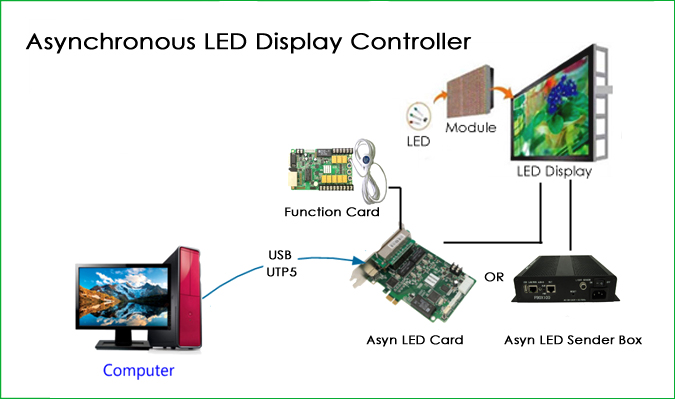
Async control is suitable for occasions where content is relatively fixed or updated less frequently, especially:
-Shopping malls and retail stores: display store advertisements, promotions and static images.
-Public places such as bus stops and airports: play traffic information, advertisements or weather forecasts.
-Outdoor billboards: display advertisements, announcements and periodic content, suitable for environments that do not require real-time content updates.
(3) Comparison between synchronous and asynchronous control
|
Features |
Synchronous control |
Asynchronous control
|
|
Control method |
Real-time connection to a computer |
Storage media uploads content
|
|
Applicable occasions |
High real-time and high interactivity occasions |
Fixed content and infrequent updates
|
|
Update frequency |
Real-time update |
Scheduled or manual update |
|
Equipment requirements |
Requires dedicated control software and network connection |
No computer is required, flash memory or SD card can be used |
|
Content changes |
Instant changes, dynamic content |
Static images or short-term changes |
Choosing synchronous control or asynchronous control depends on your application requirements.
If you need real-time updates and dynamic displays, or need to synchronize with external data sources (such as event information or social media content), synchronous control will be the best choice.
If your content is relatively static and the update frequency is not high, asynchronous control is simpler and less expensive, and is suitable for places such as shopping mall billboards and public information displays.
8. LED Electronic Billboard Installation and Maintenance Tips
A successful LED electronic billboard project depends on professional installation and regular maintenance.
Outdoor advertising screens are exposed to sunlight, rain, wind, dust, temperature changes, and long operating hours, so buyers should plan structure, power, ventilation, and service access before installation begins.
https://www.youtube.com/watch?v=_vLyl4YO778
8.1 Installation Tips
- Check the wall, pole, rooftop, or steel frame load-bearing capacity before confirming the LED billboard size.
- Reserve enough space for front or rear maintenance based on the cabinet design.
- Use proper grounding, surge protection, and waterproof power distribution for outdoor use.
- Confirm the viewing angle and installation height before finalizing the screen position.
- Follow local outdoor advertising rules, building regulations, and permit requirements.
8.2 Maintenance Tips
- Clean the LED display surface regularly to remove dust, dirt, and insects.
- Inspect LED modules, power supplies, receiving cards, and data cables every few months.
- Check the cooling system to avoid overheating during long daily operation.
- Keep spare LED modules and key accessories ready to reduce downtime.
- Update the control software and content schedule when needed.
Good installation and maintenance planning can extend the lifespan of the LED electronic billboard
and protect the long-term return on investment.
8. FAQs
Q1. What is an LED electronic billboard?
An LED electronic billboard is an outdoor advertising display that uses LED (Light Emitting Diode) technology to show dynamic content, including videos, animations, and scrolling text. Unlike traditional printed billboards, LED electronic billboards can be updated remotely in real time, making them ideal for high-traffic locations such as city centers, highways, stadiums, and shopping malls.
.elementskit-card END
Q2. How much does an LED electronic billboard cost?
Cost depends on screen size, pixel pitch, brightness, and installation type. As a general guide:
• Small billboard (3m × 2m, P6–P10): $5,000 – $15,000
• Medium billboard (6m × 3m, P4–P6): $15,000 – $35,000
• Large billboard (10m × 5m, P3–P5): $40,000+
Additional costs include installation labor, power supply infrastructure, content management software, permits, and ongoing maintenance. Contact UNIT LED for a custom quote based on your specifications.
.elementskit-card END
Q3. How long does an LED electronic billboard last?
A high-quality LED electronic billboard typically lasts 8 to 10 years under normal operating conditions. Lifespan is influenced by LED chip quality, daily operating hours, environmental conditions (temperature, humidity, UV exposure), and maintenance frequency. UNIT LED products use premium LED chips and come with a 3-year manufacturer warranty plus 3–5% spare module parts included.
.elementskit-card END
Q4. What pixel pitch should I choose for an outdoor LED billboard?
For most outdoor LED billboards, a pixel pitch of P6 to P10 is recommended.
A practical rule: the minimum comfortable viewing distance in meters roughly equals the pixel pitch in millimeters (e.g., P8 = best viewed from 8m+). For closer-range roadside or retail signage, P4–P6 delivers a noticeably sharper image. Higher resolution (smaller pitch) increases cost but is worth it for premium urban locations.
.elementskit-card END
Q5. What is the difference between synchronous and asynchronous LED billboard control?
Synchronous control keeps the billboard connected to a computer or media server in real time, enabling instant content changes — best for live events, news tickers, and dynamic multi-advertiser networks.
Asynchronous control stores content directly on the billboard’s built-in controller (uploaded via USB, Wi-Fi, or 4G). The screen runs scheduled playlists independently without a constant connection — simpler and more cost-effective for single-advertiser outdoor billboards with stable content.
.elementskit-card END
Q6. What brightness level does an outdoor LED billboard need?
Outdoor LED billboards need a minimum brightness of 5,000–6,000 cd/m² to remain clearly visible in daylight. For south-facing displays or very sunny climates, 7,000–10,000 cd/m² is recommended.
UNIT LED outdoor billboard series reaches up to 10,000 cd/m² and includes automatic ambient light sensors that adjust brightness dynamically — reducing energy waste at night while maximizing visibility during the day.
.elementskit-card END
Q7. How do I maintain an outdoor LED electronic billboard?
A simple routine keeps your billboard in top condition:
• Clean LED modules quarterly to remove dust, dirt, and insect buildup.
• Inspect power supply and data cables every 3–6 months for loose connections or corrosion.
• Check cooling systems — clean fans and vents to prevent overheating.
• Update control software periodically for performance improvements and security patches.
• Replace faulty modules promptly — UNIT LED includes 3–5% spare modules with every order to minimize downtime.
.elementskit-card END
Q8. How much does it cost to rent advertising space on an LED billboard?
Monthly advertising rental rates vary widely by location and daily traffic volume:
• Small city / suburban: $1,000 – $5,000 / month
• Medium city billboard: $5,000 – $20,000 / month
• Large city prime location: $20,000 – $100,000+ / month
• Landmark (e.g., Times Square): $100,000 – $1,000,000+ / month
Rates are also affected by contract length (longer terms often get discounts), display frequency, and seasonal demand peaks. Owning your own LED billboard eliminates recurring rental costs and offers a strong long-term ROI.
.elementskit-card END
9. Conclusion
If you are looking for an efficient LED electronic billboard advertising solution, you may want to consider UNIT LED’s various LED displays. Contact us to start your advertising journey!