Black LED Display vs White LED Display Best Comparison 2026
In the world of digital displays, the performance of an LED screen depends heavily on one essential component: LED lamp beads. As the most expensive and most used component of the LED display screen, the LED lamp beads play a leading role in the quality of the LED display.
These tiny light-emitting units form the very foundation of every pixel, directly influencing brightness, color accuracy, energy efficiency, and durability.
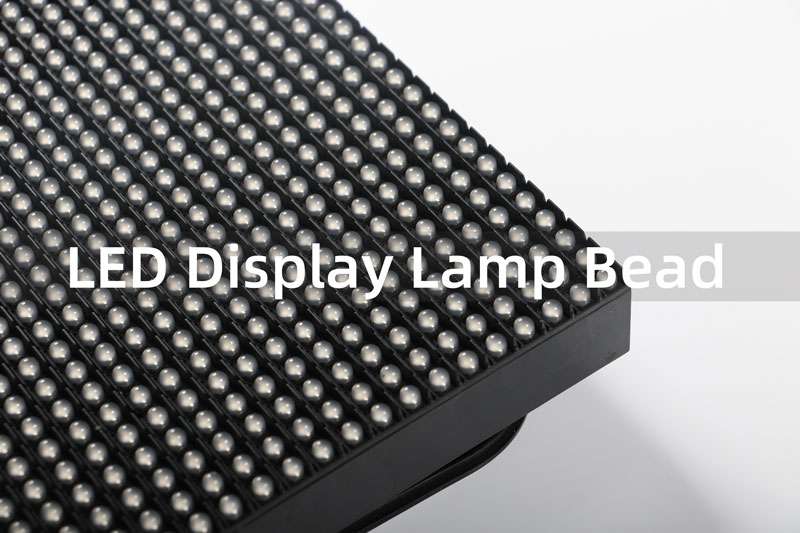
This post will explore what lamp beads are on LED displays, the different types available, their technical specifications, and how they impact LED display performance. We will also look into selection criteria, and advantages of high-quality lamp beads, etc.
Table of Contents
1. What Are LED Lamp Beads?
What are lamp beads on LED display screens? LED lamp beads are the basic luminous unit used in LED screens. Essentially, it is a tiny semiconductor devices that convert electrical energy into visible light with high efficiency.
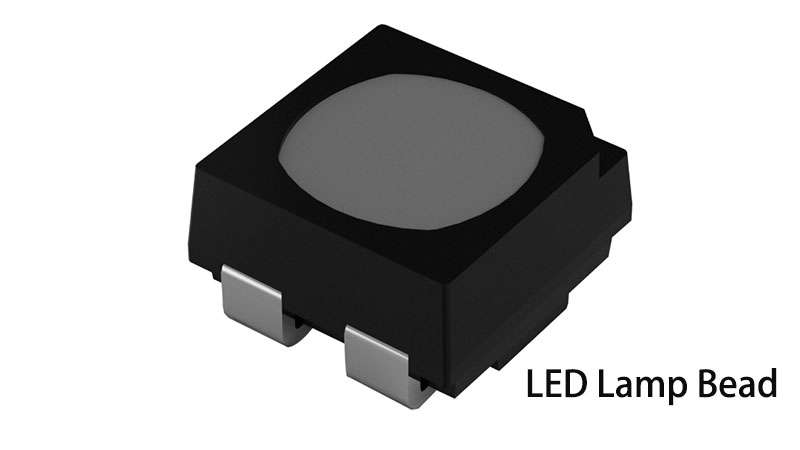
In LED display technology, lamp beads play a critical role in determining brightness, color accuracy, refresh rate, and overall image quality. They are typically arranged in red, green, and blue (RGB) combinations to form pixels, which then create vivid and dynamic visuals on large screens.
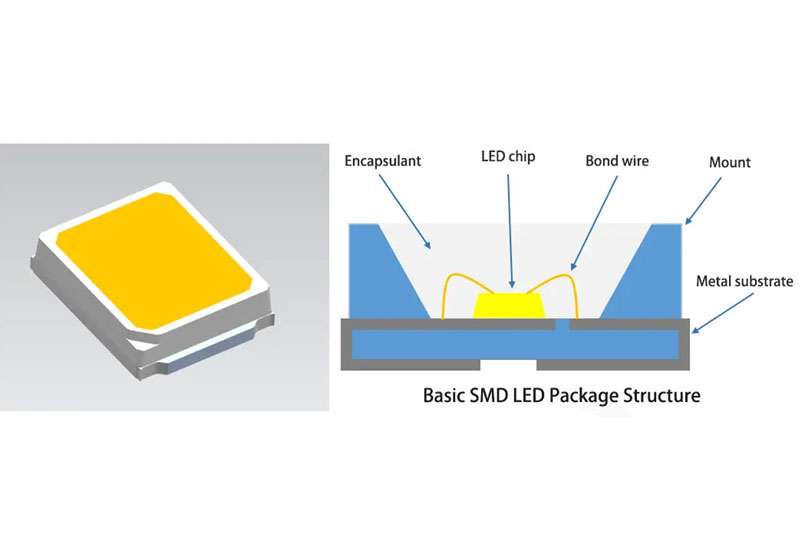
LED Lamp Beads Structure
Each bead consists of a chip, encapsulation material, and electrodes, which work together to produce stable and bright illumination.
When arranged in grids, these lamp beads become pixels that create high-definition images and videos. The resolution and clarity of the screen are determined by how densely the lamp beads are packed, a concept known as pixel pitch.
The precision and quality of these LED lamp beads directly affect viewing performance, especially in high-resolution and outdoor applications. Lamp beads not only define the brightness of the display but also control color reproduction and reliability.
2. LED Lamp Beads Development History
1907
British scientist Henry Joseph Land first discovered electroluminescence in silicon carbide crystals. Although the light was very weak, it marked the beginning of LED research.
1962
Nick Holonyak Jr. of General Electric invented the first visible red LED, opening the door to practical LED applications.
After the 1990s
With new materials like gallium nitride, blue LEDs were created, enabling full-color displays (red, green, blue). This breakthrough also pushed LEDs into lighting, gradually replacing incandescent and fluorescent lamps.
Now
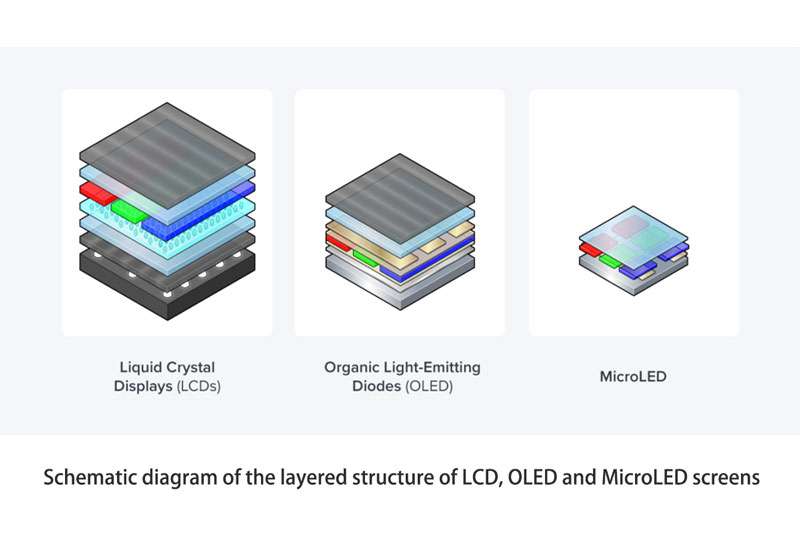
LEDs are widely used in displays and lighting. Emerging technologies such as Micro-LED and OLED continue to expand their performance and application fields.
3. Types of LED Display Lamp Beads
LED display lamp beads come in several types. From the packaging perspective, the most common are DIP, SMD, and COB, each designed for specific applications.
① DIP (Dual In-line Package) Lamp Beads
DIP LED lamp beads are the earliest form used in LED displays. They have a cylindrical shape with two or more pins inserted into the circuit board.
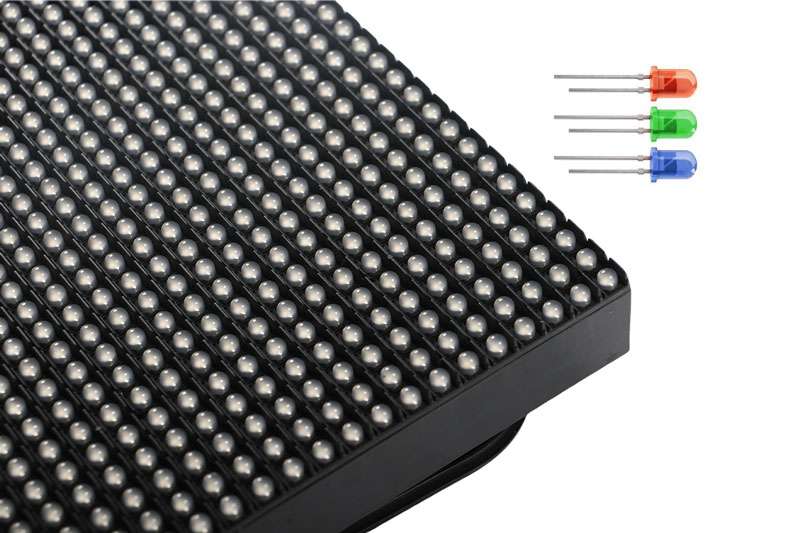
Advantages: High brightness, excellent outdoor visibility, strong durability, and low cost.
Disadvantages: Large size, limited resolution, and narrow viewing angles.
Applications: Outdoor billboards, traffic signs, and single/dual-color screens.
② SMD (Surface Mounted Device) Lamp Beads
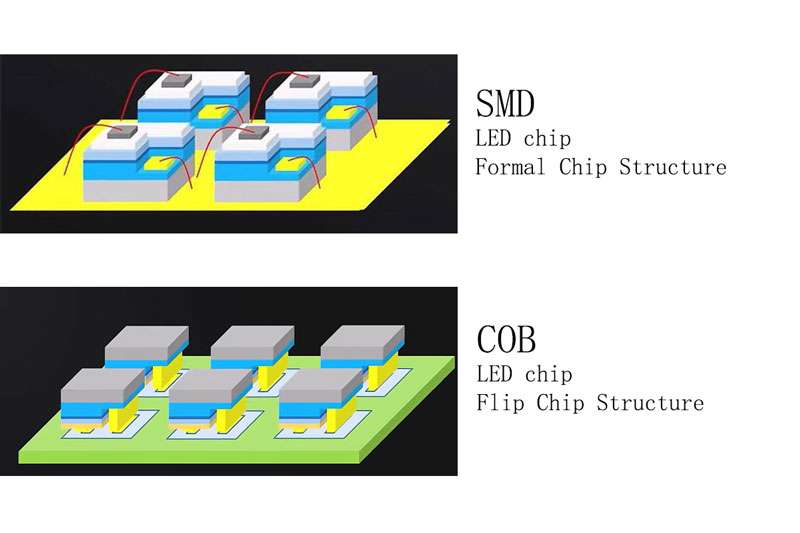
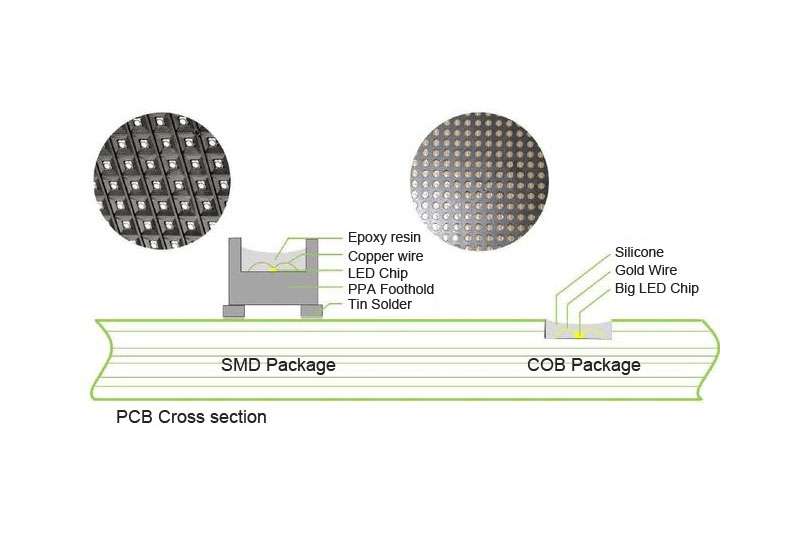
SMD lamp beads are compact and lightweight, soldered directly onto the surface of the PCB. They integrate red, green, and blue chips into a single package, which allows for finer pixel pitch and higher resolution.
Common SMD LED lamp bead models include 1415, 3535, 5050, etc. These numbers usually represent the size of the lamp bead (for example, 5050 means the width is 5.3mm and the length is 5.3mm).
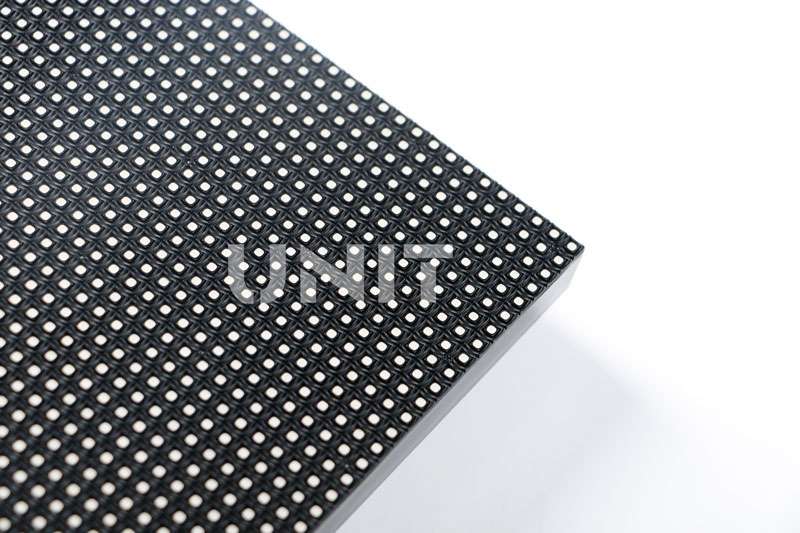
Advantages: Small size, wide viewing angle, vivid colors, high resolution, and uniform brightness.
Disadvantages: Lower brightness under direct sunlight and less rugged than DIP.
Applications: Indoor LED displays, retail advertising, stage LED display backdrops, and fine-pitch screens.
③ COB (Chip on Board) LED Lamp Beads
COB LEDs mount multiple chips directly onto the substrate and cover them with resin. This design improves heat dissipation, reliability, and anti-collision performance.
Advantages: Excellent heat dissipation, seamless visuals, high durability, and ultra-fine pixel pitch.
Disadvantages: Higher production cost and more difficult repairs (usually module replacement).
Applications: Control rooms, conference halls, command centers, and high-end fine-pitch displays.
Comparison Table:
| Type | Advantages | Disadvantages | Applications |
| DIP | High brightness, durable, weather-resistant, low cost | Bulky, low resolution, narrow angle | Outdoor billboards, traffic signs |
| SMD | Compact, vivid colors, wide angle, high resolution | Less bright outdoors, less rugged | Indoor LED screens, retail, stages |
| COB | Seamless visuals, heat dissipation, durable | Higher cost, harder to repair | Control rooms, conference halls |
4. 8 Influences: How Lamp Beads Affect LED Display Performance
(1) Viewing Angle
The viewing angle of the LED display is determined by the viewing angle of the LED lamp beads. At present, most outdoor LED displays use horizontal viewing angles of 100, elliptical LEDs with vertical viewing angles of 50°, while indoor displays use SMD LEDs with both horizontal and vertical angles of 120°.
Because of its particularity, a circular LED with a viewing angle of 30°is generally sufficient for the display on the highway.
Some high-rise display screens have higher requirements for vertical viewing angles. Viewing angle and brightness are contradictory to each other, and a large viewing angle will inevitably reduce brightness. The choice of perspective needs to be determined according to the specific purpose.
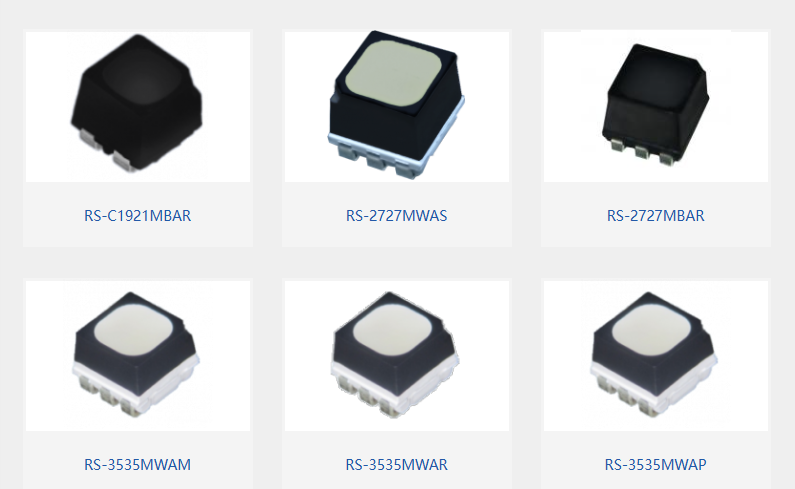
Nationstar LED Lamp Bead
The LED is angled, so the full color led display also has the angle directionality. That is, when viewed at different angles, its brightness will increase or decrease.
In this way, red, green, blue three colors led angle consistency will seriously affect the consistency of the white balance of different angles, directly affecting the fidelity of the display video color.
To achieve the red, green, blue three led in different angles when the brightness change matching consistency, need to be in the LED encapsulation way design and the raw material selection, which depends on the LED lamp supplier’s technical level.
If the angle of the led consistency is not good, the white balance of the whole screen at different angles will be bad. So LED lamp bead angle consistency characteristics can be measured by the led angle tester, for the High -grade display is particularly important.
The most critical component of full color display is led lamp beads. All led lamp beads are the most costly and largest amount of components in led display, and play a leading role in the quality of led display.
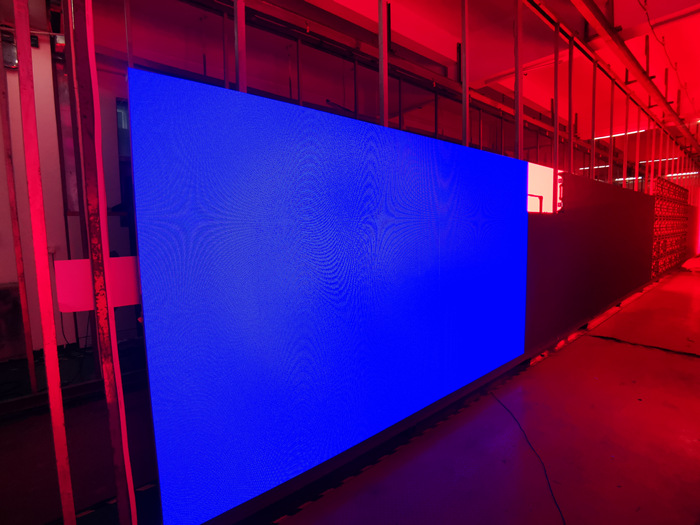
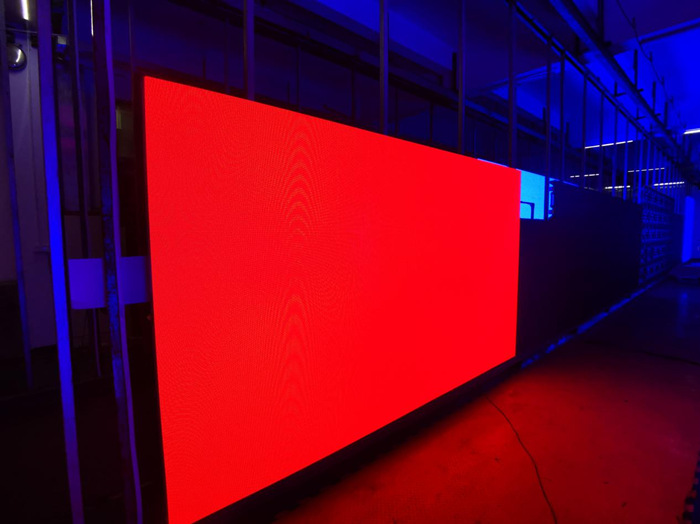
(2) Brightness
LEDs brightness is an important determinant of display brightness. The higher the brightness of the LED, the greater the margin for the use of current, which is good for saving power and keeping the LED stable.
LEDs have different angle values. When the brightness of the chip is fixed, the smaller the angle, the brighter the LED, but the smaller the viewing angle of the display. Generally, a 100-degree LED should be selected to ensure a sufficient viewing angle of the display screen.
For displays with different dot pitches and different viewing distances, a balance should be found in brightness, angle and price.
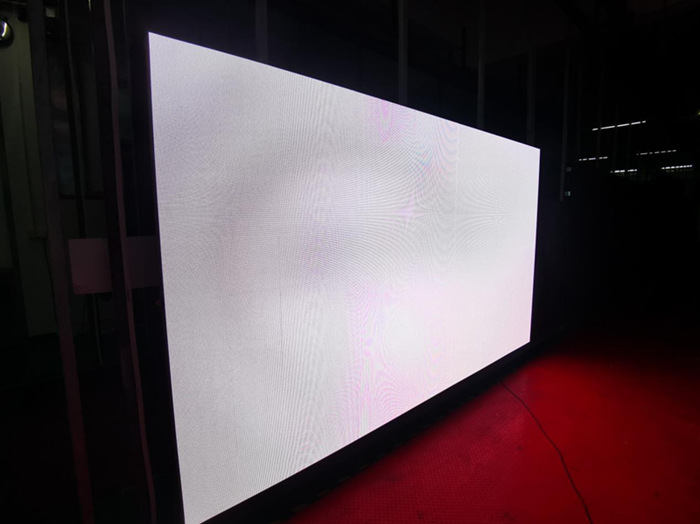
(3) Failure Rate
Since a full-color display screen is composed of tens of thousands or even hundreds of thousands of red, green, and blue LEDs, the failure of any color LED will affect the overall visual effect of the display screen.
Generally speaking, according to industry experience, the failure rate from the start of the assembly of the LED display to the 72-hour aging before shipment should be no more than three ten thousandths (referring to the failure caused by the LED lamp beads itself).
(4) Antistatic Ability
LED is a semiconductor device, which is sensitive to static electricity and can easily cause static failure. Therefore, the antistatic ability is very important to the life of the display screen.
Generally speaking, the failure voltage of the human body electrostatic mode test of the LED should not be lower than 2000V.
(5) Working Life of LED Display
The theoretical life of the LED device is 100,000 hours, which is much longer than the working life of other parts of the LED display.
Therefore, as long as the quality of the LED device is guaranteed, the working current is appropriate, the PCB heat dissipation design is reasonable, and the display screen production process is rigorous, the LED device will be the entire display screen. One of the most durable parts of the machine.
(6) Attenuation Characteristics
LED lamp bead can account for 70% of the price of LED displays, so LED light bead can determine the quality of LED displays. China is not only a major producer of LED devices but also a gathering place for LED display manufacturing. The high technical requirements of LED displays are the future development trend.
The requirements of better quality of LED displays are not only about the trend of LED display manufacturers, but also the development of LED display device manufacturers. From the control of LED devices, China will promote China’s transformation from a large LED display manufacturing country to an LED display manufacturing powerhouse.
LED screens will appear brightness decline and display color inconsistency after a long period of work, mainly due to the brightness attenuation of LED devices. The attenuation of LED brightness will reduce the brightness of the entire screen.
The inconsistency of the brightness attenuation of the red, green, and blue LEDs will cause the color of the LED display to be inconsistent, which is the phenomenon that we often say that the display is spent.
High-quality LED devices can well control the brightness attenuation range. According to the standard of 20mA lighting at room temperature for 1000 hours, red attenuation should be less than 2%, blue and green attenuation should be less than 10%, so blue and green LEDs should not use 20mA current when designing the display, preferably only 70% to 80 % Of rated current.
The attenuation characteristics are not only related to the characteristics of the red, green, and blue LEDs, but also the current used, the PCB board heat dissipation design, and the ambient temperature of the display screen.
(7) Size
The size of the LED lamp bead affects the pixel distance of the LED display, that is, the resolution. 5mm oval lights are mainly used for outdoor displays above P16, 3mm oval lights are mainly used for outdoor displays of P12.5, P12, P10, and 3528 SMD LEDs are mainly used for indoor displays of P6 and P8.
2020-type SMD LEDs are mainly used for indoor displays such as P2 and P3.
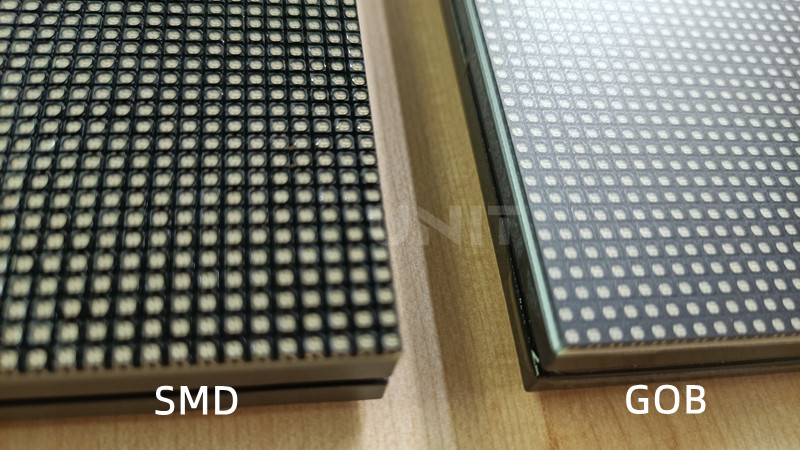
Under the premise that the dot pitch is constant, the size of the LED device can increase, which can increase the display area and reduce the graininess, but because the black area is reduced, the contrast will be reduced.
On the contrary, the LED light bead size is reduced, the display area is reduced, and the graininess is increased accordingly. The black area is enlarged, thus increasing the contrast.
(8) Consistency
The full-color display is composed of countless red, green, and blue LEDs. The brightness and wavelength consistency of each color LED determines the brightness consistency, white balance consistency, and chromaticity of the entire display color.
Generally speaking, display manufacturers require device suppliers to provide LEDs with a wavelength range of 5nm and a brightness range of 1:1.3. These indicators can be achieved by the supplier through a spectroscopy machine. The consistency of voltage is generally not required.
Since the LED is angled, the full-color LED display also has angular directionality, that is, when viewed from different angles, its brightness will increase or decrease. In this way, the angle consistency of the red, green, and blue LEDs will seriously affect the consistency of the white balance at different angles, and directly affect the fidelity of the video color of the display screen.
To achieve the matching consistency of the brightness changes of the red, green, and blue LEDs at different angles, it is necessary to strictly carry out the scientific design in the package lens design and raw material selection, which depends on the technical level of the package supplier.
No matter how good the white balance is in the reverse direction, if the LED angle consistency is not good, the white balance effect of the whole screen at different angles will be bad.
The angle consistency characteristics of LED lamp beads can be measured with a comprehensive LED angle tester, which is particularly important for medium and high-end displays.
5. LED Lamp Bead vs LED (Light-emitting Diode)
While the terms LED lamp beads and LEDs (light-emitting diodes) are often used interchangeably, they refer to slightly different concepts in LED display technology.
 LED Lamp Bead
 Light-emitting Diodes
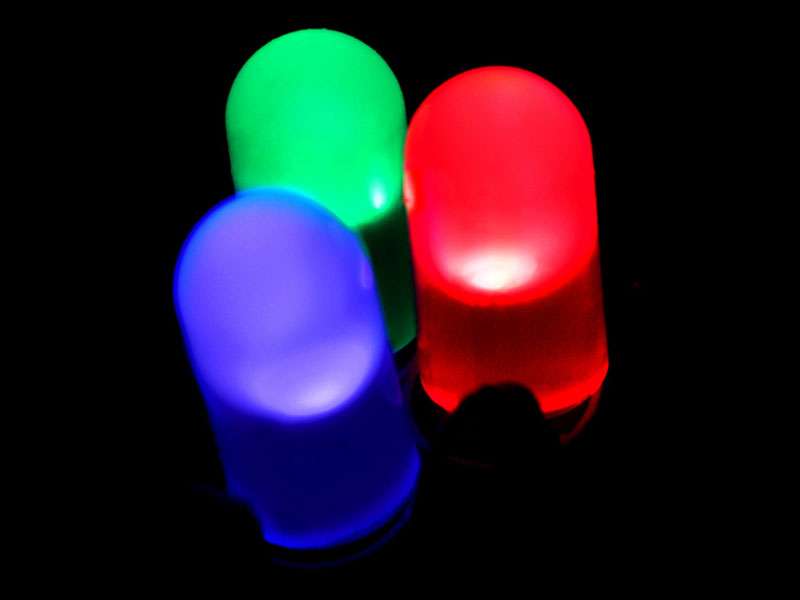
LEDs (Light-emitting Diodes) are the basic semiconductor devices that emit light when an electrical current passes through them. They are the fundamental building blocks in electronics, ranging from small indicator lights to large-scale lighting applications.
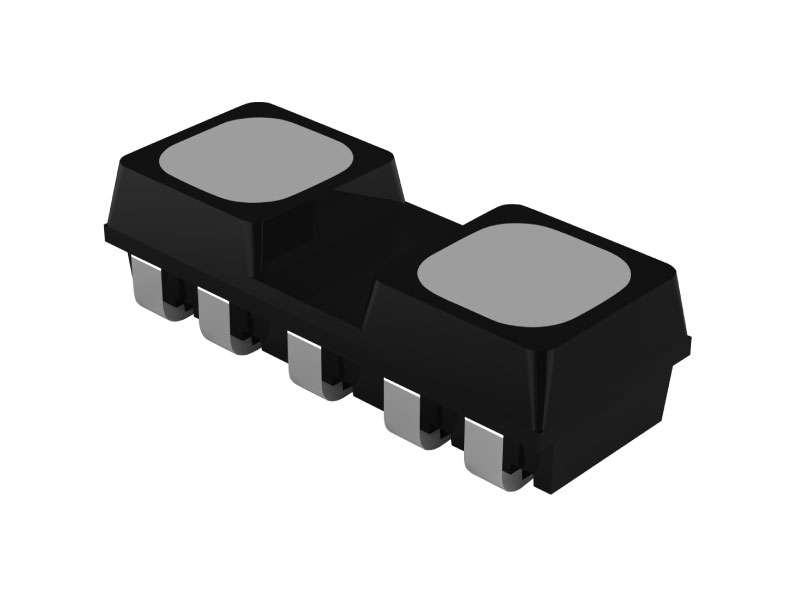
LED lamp beads, on the other hand, are packaged and processed versions of LEDs, specifically designed for LED display applications. An LED lamp bead integrates one or more LED chips with encapsulation, electrodes, and sometimes lenses or diffusion materials.
Here’s a clear comparison table for LED vs LED lamp bead to complement the section:
| Feature | LED (Light-emitting Diode) | LED Lamp Bead |
| Definition | Basic semiconductor that emits light when powered | Packaged LEDs designed for display applications, often with encapsulation and electrodes |
| Structure | Single chip, minimal packaging | Includes one or more chips, encapsulation, sometimes lens or diffusion material |
| Function | Provides the core light source | Delivers controlled, stable light for pixels in LED displays |
| Applications | Electronics indicators, lighting, small devices | LED screens, video walls, digital billboards, high-resolution displays |
| Advantages | Simple, versatile, low cost | Optimized brightness, color consistency, durability, and viewing angles |
| Disadvantages | Requires additional packaging for practical display use | Slightly higher cost than raw LEDs due to packaging and integration |
Why Choose LED Lamp Bead for LED Display?
The basic LED (Light-Emitting Diode) is the core light-emitting element, but when it comes to LED displays, the LED lamp bead is the superior and practical choice. Here’s why:
● Optimized Packaging: Unlike a bare LED chip, the LED lamp bead is encapsulated with protective materials that safeguard it from humidity, dust, and physical damage.
● Stable Performance: Lamp beads integrate electrical connections and optical design, ensuring consistent brightness, color accuracy, and long-term reliability.
● Display-Oriented Design: LED lamp beads are engineered for pixel pitch arrangements, making them suitable for high-resolution indoor screens as well as large outdoor electronic LED billboards.
● Durability and Longevity: The packaging process enhances heat dissipation and resistance to environmental stress, extending the lifespan of the display.
● Anti-Static Ability: Light-emitting diodes are sensitive to static, which can cause failures. High-quality LED lamp beads feature strong anti-static protection, reducing the risk of static damage and improving overall stability.
● Visual Excellence: With uniform brightness and wide viewing angles, lamp beads deliver superior visual experiences compared to raw LED components.
Understanding why LED lamp beads are the preferred light source highlights their critical role in display performance. The next step is knowing how to select the right lamp bead for your LED display to ensure the best balance of brightness, durability, and visual quality.
Custom LED Display Project Now
6. How to Choose the Right Lamp Bead for Your LED Display?
Choosing the right LED display lamp beads is critical for achieving high-quality visuals, long-term reliability, and cost efficiency. Here are practical tips to help you make the best choice:
Consider the Pixel Pitch
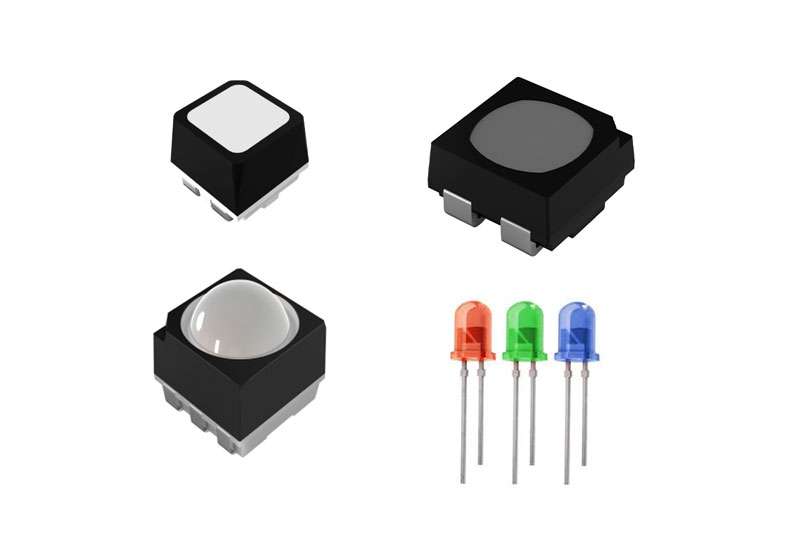
Pixel pitch determines the distance between individual lamp bead.
Smaller pixel pitches require high-precision SMD or COB beads for fine resolution, while larger pixel pitches can use DIP beads for bright outdoor displays.
Check Chip Quality
The LED chip is the core component that determines brightness, stability, and heat dissipation.
High-quality chips provide consistent illumination, minimize power loss, and ensure long-term performance.
Inspect Solder Joints and Surface Cleanliness
Reliable lamp beads have clean, well-formed solder joints produced using SMT SMD processes with reflow soldering.
The surface should be free of dust, stains, or impurities to ensure uniform light emission and prevent color distortion.
Assess Glue, Encapsulation, and Packaging Technology
Durable glue or resin prevents deformation and protects the chip.
Advanced packaging ensures uniform color, consistent brightness, and wide viewing angles, supported by precise machinery and quality control.
Evaluate Color Consistency
Beads should maintain stable red, green, and blue performance across all pixels.
Poor-quality products may show dark spots, uneven tones, or noticeable color deviation.
Consider Viewing Angle and Application
Wide viewing angles are critical for displays meant for large audiences or unconventional viewing positions.
Match the bead type to the environment: DIP for rugged outdoor use, SMD for versatile indoor screens, COB for ultra-fine pitch applications.
Brand Selection and Reliability
Choose reputable brands with proven performance and certifications, such as NationStar or other trusted suppliers.
Reliable brands offer consistent quality, reduce the risk of failures, and provide long-term technical support.
Factor in Cost vs Longevity
Premium lamp beads may have a higher upfront cost but reduce maintenance, energy consumption, and downtime.
By carefully evaluating these factors: pixel pitch, chip quality, soldering, surface cleanliness, packaging, color consistency, viewing angle, and brand reputation, you can select LED lamp beads that deliver vivid visuals, reliable performance, and long-lasting value.
How to Identify Good LED Display Beads? Quick Check!
First, look at the solder joints. Formal led light strip manufacturers produce LED light strip is the use of the SMT SMD process, with solder paste and reflow soldering process production.
Second, look at the quality of FPC. FPC is divided into copper and calendered copper two kinds of copper foil is convex out of the copper plate, if you look closely, you can see from the connection between the pad and the FPC.
Third, look at the led strip light surface cleanliness. If the SMT process production of led strip light, its surface cleanliness is very good, can not see what impurities and stains.
Fourth, look at the led lamps with the chip and production process. With the eyes can not see the difference. Use the aging equipment and testing equipment.
If you put a few manufacturers of the led on the aging instrument with high current aging 24 hours or longer. Then go to measure the brightness of a few manufacturers of the led to see that the led luminous intensity of the smallest attenuation, the smallest attenuation of the quality of the best.
7. Top LED Display Lamp Manufacturers in China Recommended
When it comes to sourcing high-quality LED display lamp beads, choosing a reliable manufacturer is crucial for performance, longevity, and overall cost efficiency. Below, we highlight the top 5 LED display lamp manufacturers in China:
① NationStar

| Headquarters | Foshan, Guangdong |
| Established | 1981 |
| Website | https://www.nationstar.com |
Overview: A leading manufacturer specializing in high-performance LED lamp beads for various display applications.
Strengths: Offers a wide range of LED lamp beads with excellent brightness, color consistency, and durability.
Applications: Widely used in indoor and outdoor LED displays, including advertising screens and digital billboards.
② Kinglight

| Headquarters | Shenzhen, Guangdong |
| Established | 2008 |
| Website | http://www.kinglight.com |
Overview: Known for producing high-quality LED lamp beads with a focus on energy efficiency and longevity.
Strengths: Provides a variety of LED lamp beads suitable for different pixel pitches and display resolutions.
Applications: Commonly used in sports stadiums, transportation hubs, and large-scale event displays.
③ Hongsheng

| Headquarters | Jingzhou, Hubei |
| Established | 2009 |
| Website | www.jzhs-led.com |
Overview: A prominent Chinese manufacturer of LED lamp beads, offering a wide range of products for various display needs.
Strengths: Known for cost-effective solutions without compromising on quality and performance.
Applications: Suitable for commercial advertising, public information displays, and retail environments.
④ XINDECO

| Headquarters | Xiamen, Fujian |
| Established | 2006 |
| Website | http://www.xinda-opto.com/ |
Overview: Specializes in the production of LED lamp beads with a focus on innovation and customization.
Strengths: Offers tailored solutions to meet specific display requirements, ensuring optimal performance.
Applications: Used in a variety of settings, including entertainment venues, shopping malls, and transportation systems.
8. Advantages of High-Quality Lamp Beads
High-quality LED lamp beads are the foundation of superior LED display performance. The stability, efficiency, and reliability provide significant benefits for both indoor and outdoor display applications. Key advantages include:
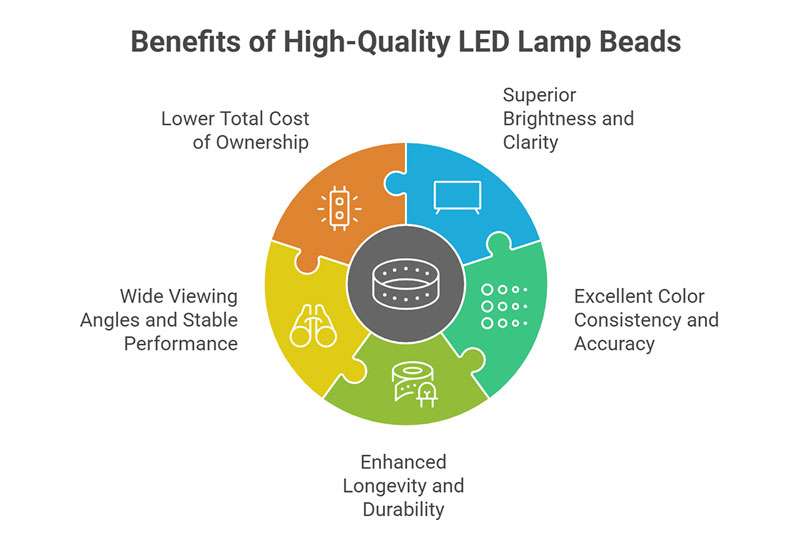
① Superior Brightness and Clarity:
High-quality lamp beads deliver strong luminous intensity with low power consumption. They ensure clear, vivid images in any environment, including direct sunlight for outdoor displays.
② Excellent Color Consistency and Accuracy:
Advanced manufacturing ensures uniform performance across red, green, and blue chips.
Displays show smooth gradients, accurate tones, and vibrant visuals.
③ Enhanced Longevity and Durability:
Premium LED lamp beads use high-quality materials and advanced encapsulation techniques.
They offer better heat dissipation, moisture resistance, and impact protection, reducing dead pixels and dimming.
④ Wide Viewing Angles and Stable Performance:
Images remain consistent when viewed from different angles or distances.
This is critical for stadium screens, stage backgrounds, and large public displays.
⑤ Lower Total Cost of Ownership:
Although initial investment may be higher, high-quality lamp beads reduce maintenance needs and energy consumption.
Their long lifespan provides a better return on investment over time.
In conclusion, choosing high-quality LED display lamp beads ensures outstanding display performance, reliability, and cost efficiency, making them essential for professional LED display solutions.
9. Why Choose UNIT LED Display?
At UNIT LED, we know that every outstanding screen begins with premium LED display lamp beads. That’s why we cooperate with the top LED lamp bead manufacturers in China, ensuring reliability and performance from the ground up.
Partnership with Top Lamp Manufacturers
We source our LED display lamp beads from top-tier suppliers, guaranteeing consistent quality, durability, and cutting-edge technology.
Superior Visual Performance
UNIT LED displays deliver vibrant brightness, high color uniformity, and excellent contrast ratios, ensuring stunning visuals in both indoor and outdoor environments.
Customized Solutions
From fine-pitch conference room displays to giant outdoor billboards, UNIT provides tailored LED display solutions that meet diverse project requirements.
End-to-End Project Support
UNIT LED’s team offers professional guidance, from installation planning to after-sales service, making sure your LED screen display project runs smoothly and stably.
Global Experience and Trust
With years of expertise and clients across the world, UNIT LED Display has built a strong reputation for delivering cost-effective, reliable, and innovative LED solutions.
10. Conclusion
LED lamp beads are the building block of every LED screen, directly influencing brightness, resolution, durability, and energy efficiency. By choosing high-quality lamp beads for LED displays, you can guarantee superior visual performance, lower maintenance costs, and long-term reliability.
UNIT LED provides LED solutions equipped with trusted LED lamp beads brands like Nationstar, Kinglight, etc, ensuring excellent performance for both indoor and outdoor applications. Contact us now to explore the high-quality LED display solution and create displays that truly shine.
Related Posts
LED Screen Size Explained: A Complete Buyer’s Guide (2026)
May 13, 2026
This guide will explain everything you need to know about LED screen size. Let’s dive in! Just read and become an expert!
Read More »
What’s the Difference Between LCD and LED Display – Best Guide
April 12, 2026
Professional comparison of LCD and LED – what are difference between LCD and LED? Help you clarify them in a smart way!
Read More »

COB vs SMD LED Display: What Is the Difference?
March 6, 2026
SMD vs COB LED, which suits your project? Learn the key differences between COB and SMD LED displays, including durability, brightness, cost, and applications.
Read More »