Ultimate Guide of 3D Anamorphic Billboard Advertising!
3D Anamorphic Billboard Solution
Bring Your Brand to Life With Eye-Catching 3D Visuals
Get Quotation Now!
3D Anamorphic LED Solutions
Naked-eye 3D LED displays bring immersive visual impact to outdoor advertising. With realistic depth, vivid motion, and high-brightness LED performance, 3D anamorphic LED screens help brands stand out in commercial districts, shopping centers, and landmark city spaces.
MA960 Series
Magnesium alloy cabinet
Standard 960 × 960 mm size
High flatness and easy installation
More Features
OF800 Series
Front service design
Easy installation and disassemble
Energy saving LED screen
More Features
ES960 Series
Energy saving LED screen
960*960m Cabinet
Aluminum Chassis Panel
More Features
Customer Cases
https://www.youtube.com/watch?v=Ut7Rqd6qD2chttps://www.youtube.com/watch?v=4m7qmPNCyKchttps://www.youtube.com/watch?v=bM7wr5kDrL8https://www.youtube.com/watch?v=ZrDV9GTGeZQ
LED PANEL PRICE
Just fill the sizes, and get your led screen budget right now !
Applications of 3D Anamorphic Billboard
3D anamorphic billboards turn city spaces into immersive visual landmarks with realistic depth, vivid motion, and powerful outdoor advertising impact.
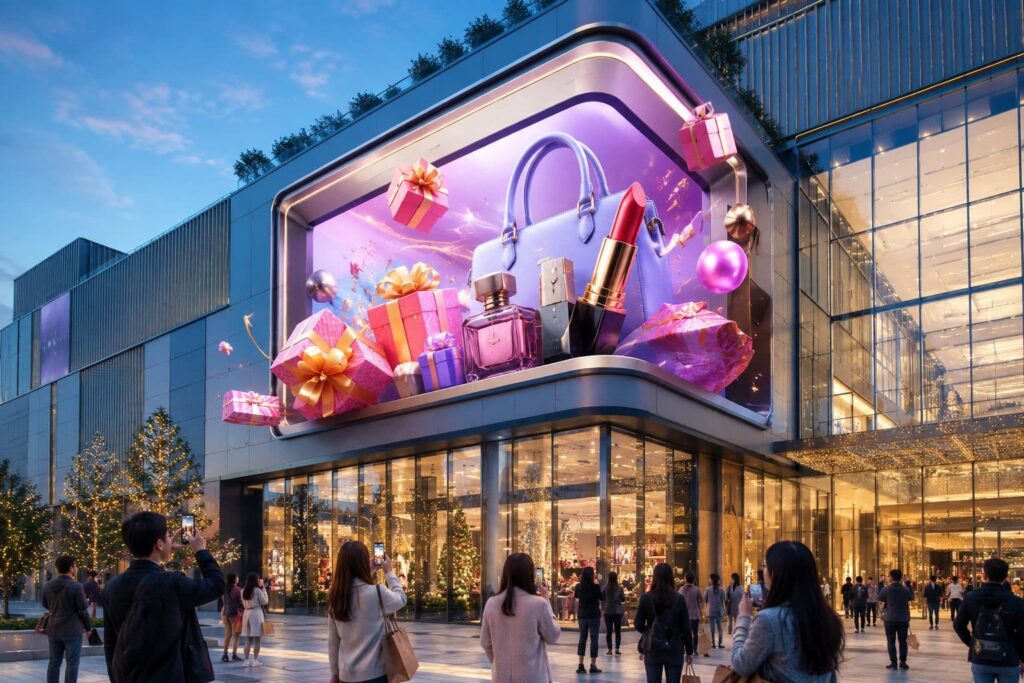
Commercial District Advertising
Use 3d anamorphic screen in busy shopping streets, city centers, CBD areas, and landmark business districts to create high-impact outdoor brand campaigns.
Compared with traditional flat advertisements, naked-eye 3D visuals can show stronger depth, motion, and realism, helping pedestrians notice the content from a distance.
This makes 3D LED billboards especially suitable for product launches, luxury brand campaigns, automotive ads, fashion promotions, and large seasonal marketing events. A well-designed 3D visual can quickly become a city talking point and increase both offline exposure and online sharing.
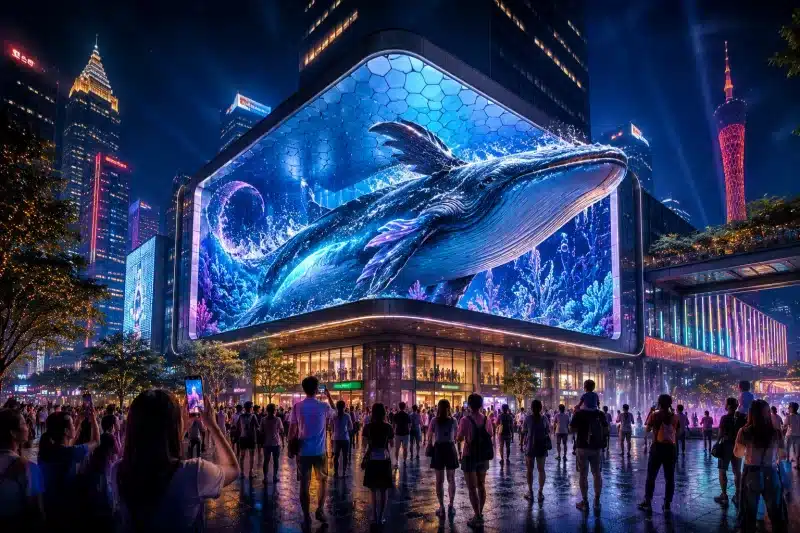
Shopping Mall and Retail Promotion
3D anamorphic LED billboards are widely used on shopping mall façades, main entrances, atrium screens, and retail street displays. They can help malls promote new stores, festival campaigns, product discounts, exhibitions, and themed events in a more immersive way.
For retail brands, 3D content can make products appear to “jump out” of the screen, creating a more vivid and memorable customer experience.
This type of display not only attracts visitors to stop and watch, but also encourages them to take photos or videos, which can bring extra social media traffic to the mall or store.
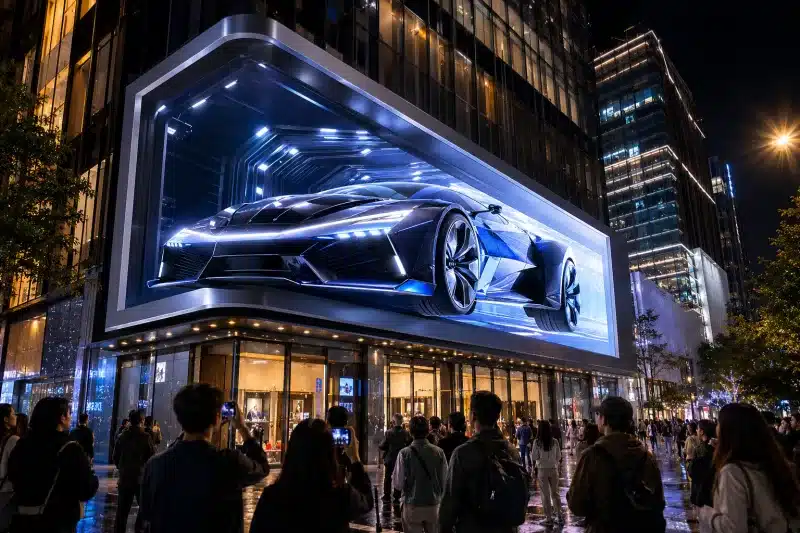
Entertainment and City Landmark Displays
3D anamorphic displays are also a strong choice for entertainment venues, theme parks, cinemas, tourist attractions, stadiums, and city landmark areas.
They can display animated characters, movie trailers, festival greetings, cultural visuals, city branding, or interactive-looking 3D scenes that create a powerful visual impression.
For public spaces, a creative 3D LED display can become part of the city’s identity and help attract tourists, visitors, and media attention. It is especially useful for night economy projects, cultural tourism streets, event plazas, and commercial landmark buildings that need a fresh visual attraction.
GET QUOTE NOW
UNIT 3D LED Design Cases
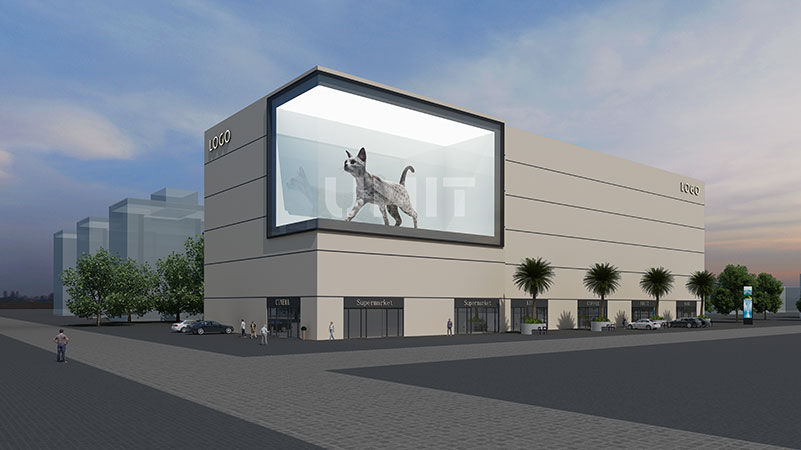
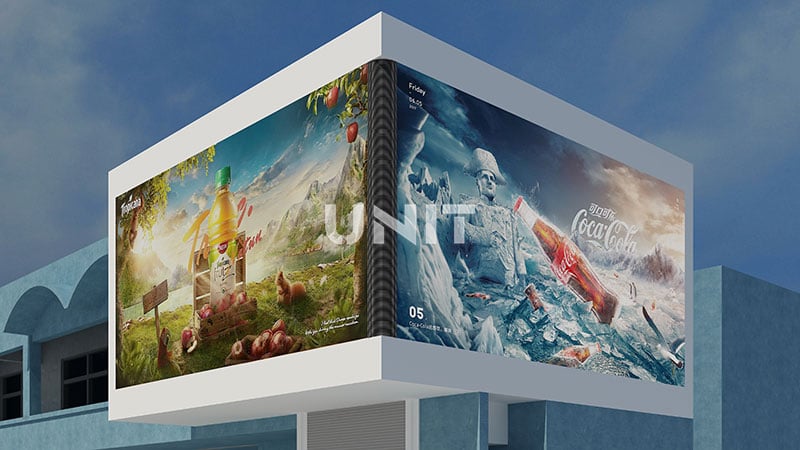
3D LED Solutions
https://www.youtube.com/watch?v=MeNIz1P-Axw
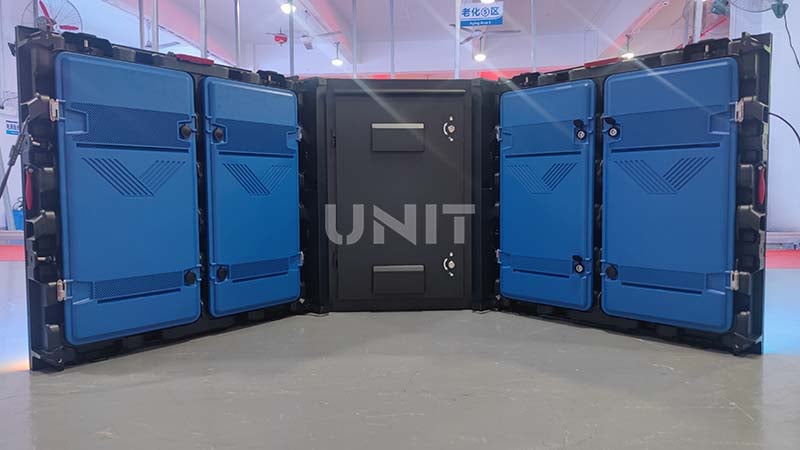
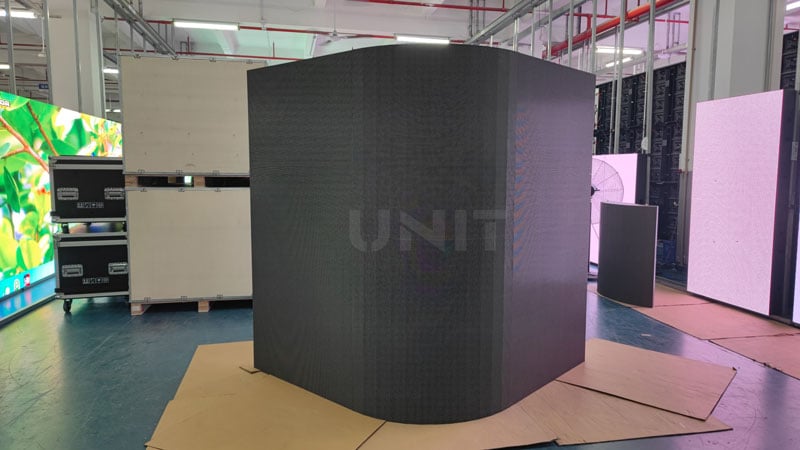
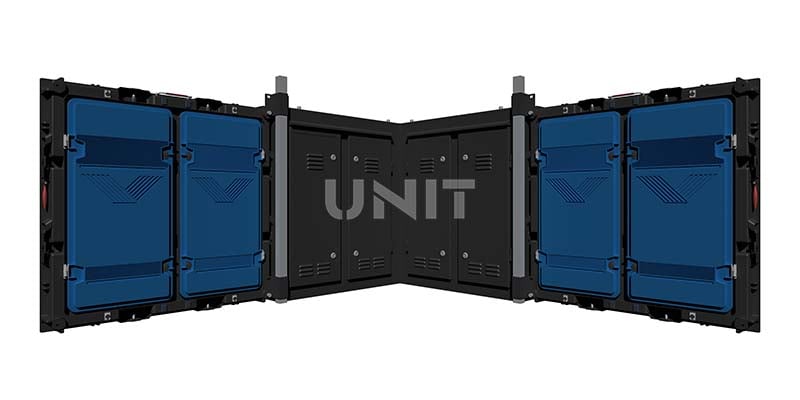
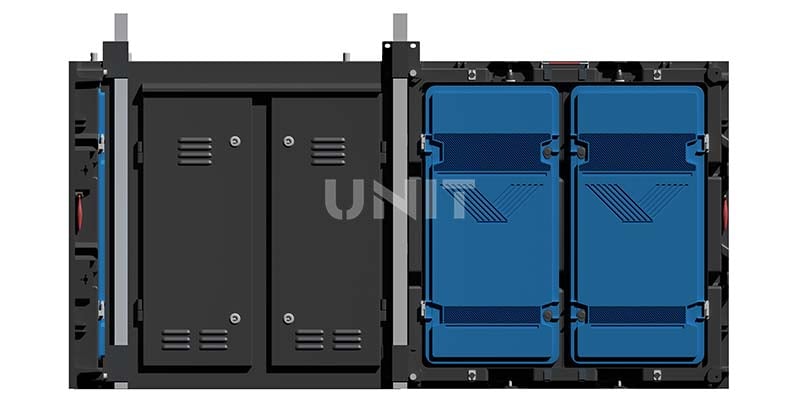
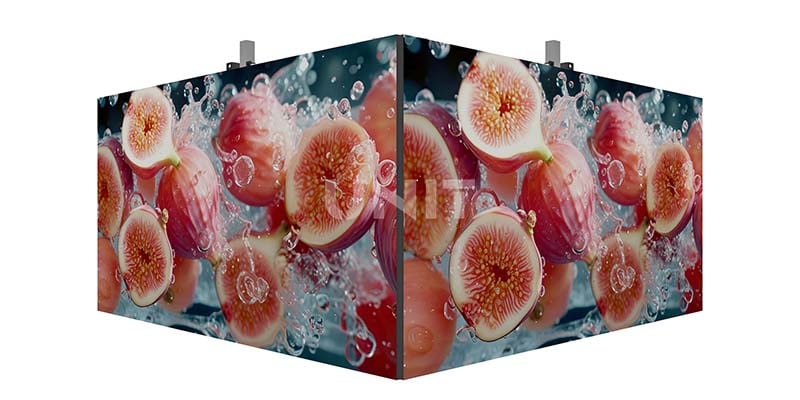
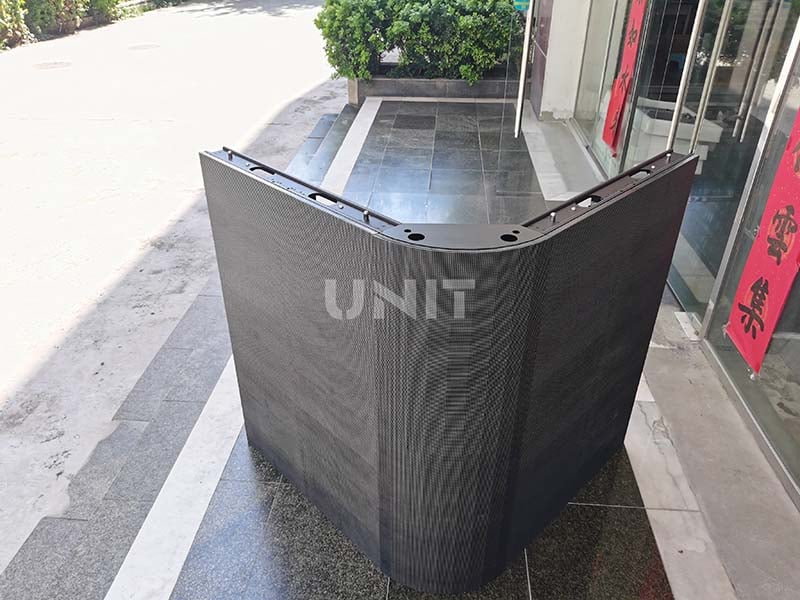
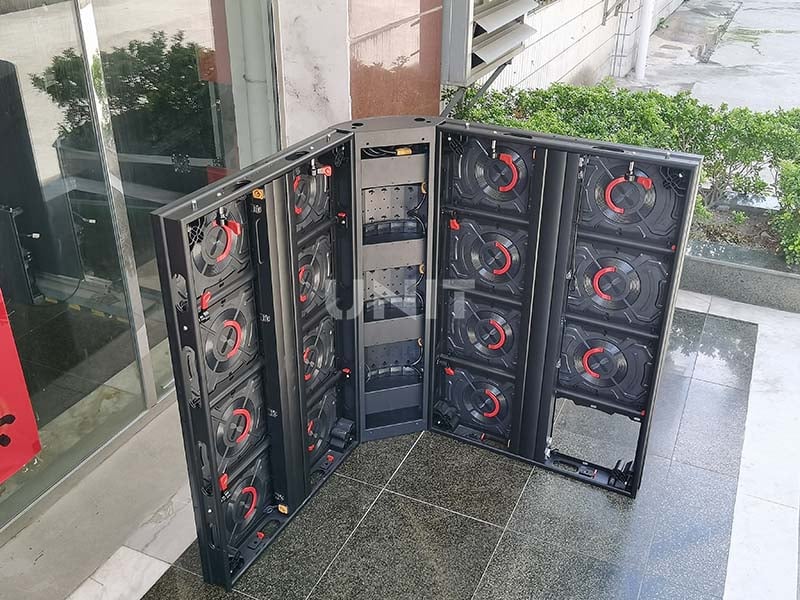
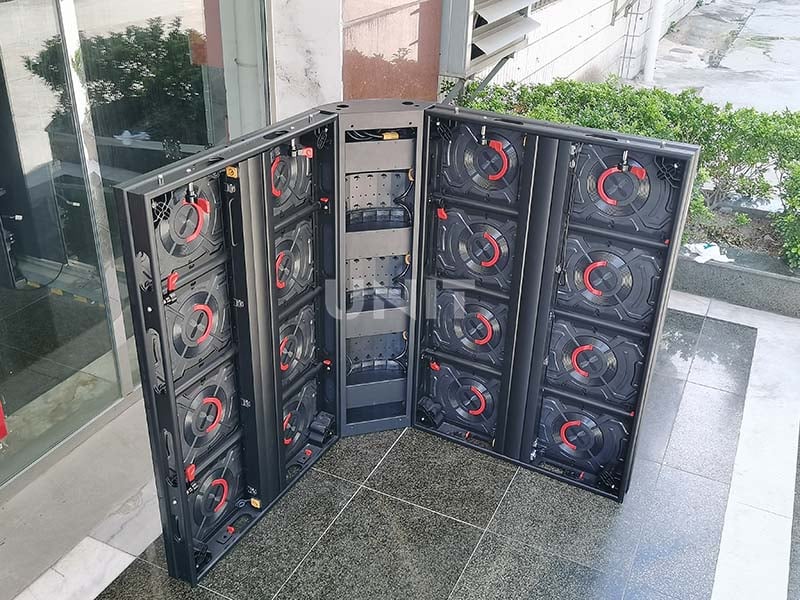
MA960 Series + Iron Cabinets
-
High brightness, energy-saving, IP65 waterproof -
Supports P4 / P5 / P5.926 / P6 / P6.67 / P8 / P10 -
Seamless splicing for naked-eye 3D screens -
80 × 160 mm outdoor modules for 3D billboards -
960 × 960 mm MA960 + 640 × 960 mm curved iron cabinets
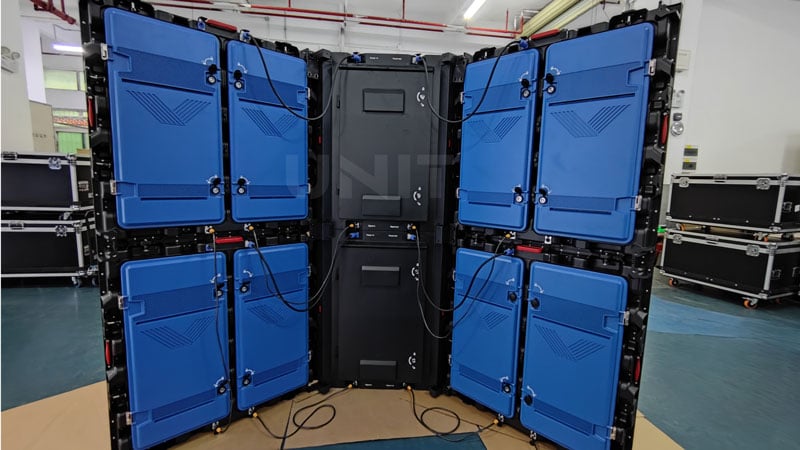
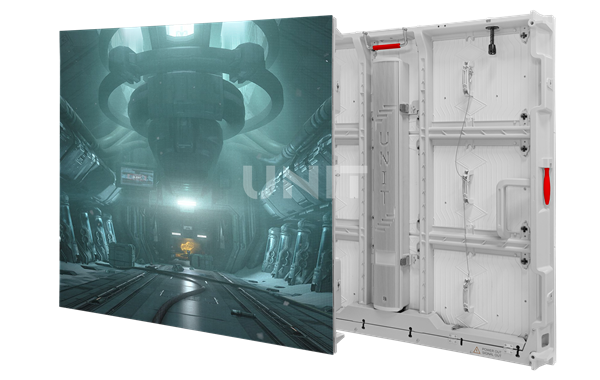
OF800 Series
-
6000–6500 cd/m² high brightness -
Energy-saving, lower power cost -
Compatible with P4.16 / P5.0 / P6.25 / P8.33 / P10 -
Front and rear maintenance supported -
Front and rear IP65 waterproof design
ES960 Series
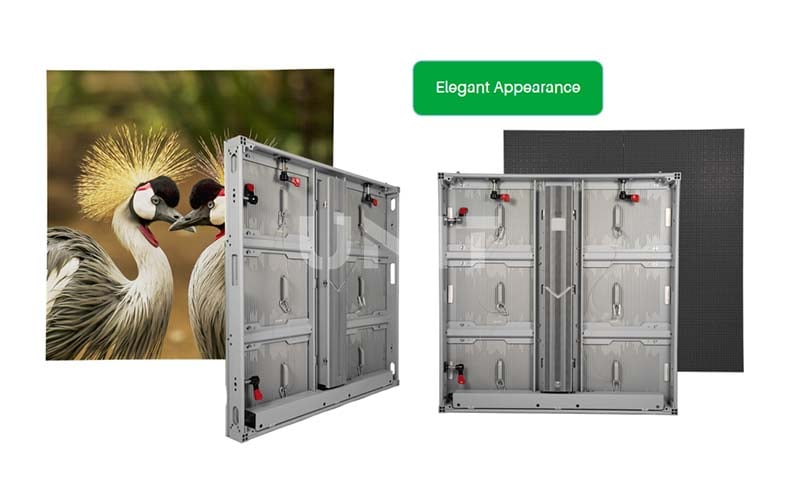
-
High-protection aluminum chassis -
Supports P4.4 / P5.7 / P6.67 / P8 / P10 -
Standard 960 × 960 mm cabinet -
Common cathode with better heat dissipation -
Dual power backup, stable operation
Get Quotation Now!
https://www.youtube.com/watch?v=8EPfkki2ixohttps://www.youtube.com/watch?v=FEtK_7NAnqQhttps://www.youtube.com/watch?v=eMHxSLQRwwI
EV960 Series
-
6000–10000 cd/m² high brightness -
Front and rear IP68 waterproof design -
Supports P6.67–P10mm -
Standard 960 × 960 mm cabinet -
High-protection aluminum chassis
Get Quotation Now!
https://www.youtube.com/watch?v=DVwE50UqzfQhttps://www.youtube.com/watch?v=rxqUiJKiVUUhttps://www.youtube.com/watch?v=rmoTUXVJMQk
Ultimate Guide of 3D Anamorphic Billboard Advertising 2026!
Imagine that you are walking in a busy commercial district and see a car that seems to be rushing out of the 3D anamorphic billboard. Will you stop?
These advertising screens not only overcome traditional advertising’s limitations but also provide brands with a more flexible and attractive way to display their products.
This article will explore the differences between conventional and 3D billboards, the main advantages of 3D advertising screens, and the world’s leading manufacturers.
Help you fully understand this innovative form of advertising! Let’s get started!
Table of Contents
https://www.youtube.com/watch?v=JgHkvLvoKjk
What is A 3D Anamorphic Billboard?
(1) The Definition of 3D Anamorphic Display
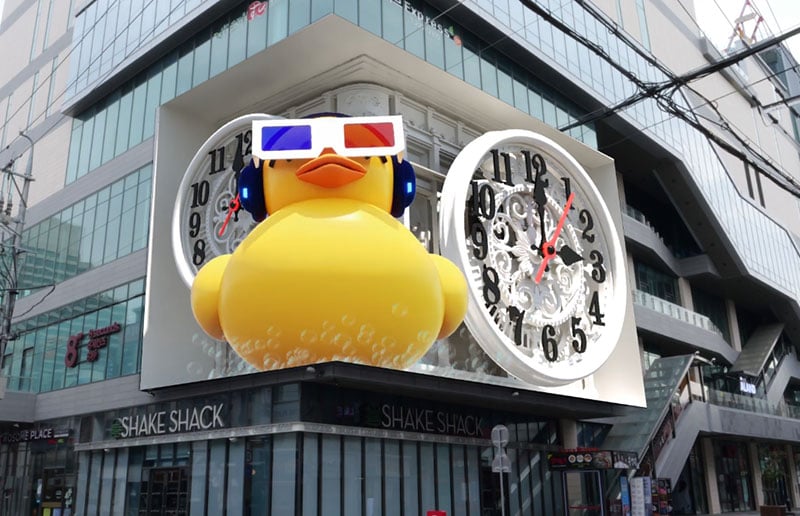
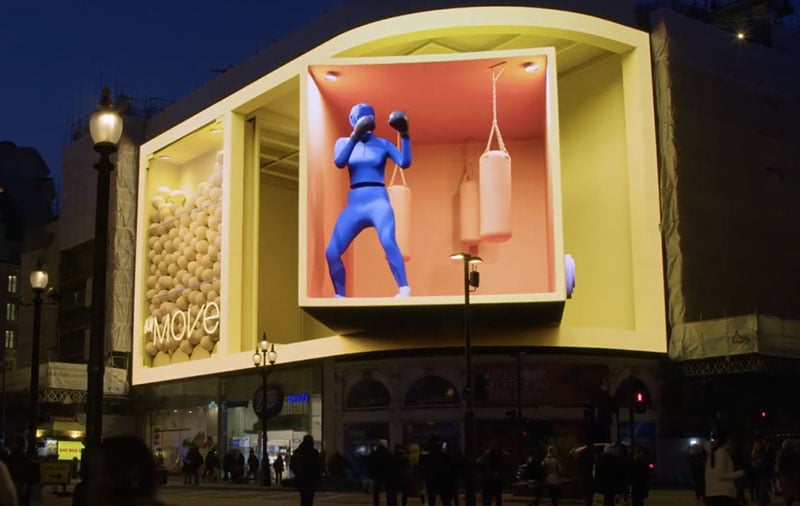
3D anamorphic billboards are an advertising display that uses distorted visuals to create the illusion of three-dimensionality.
When viewed from a certain angle, the content on the billboard appears to pop out or appear in 3D but is flat.
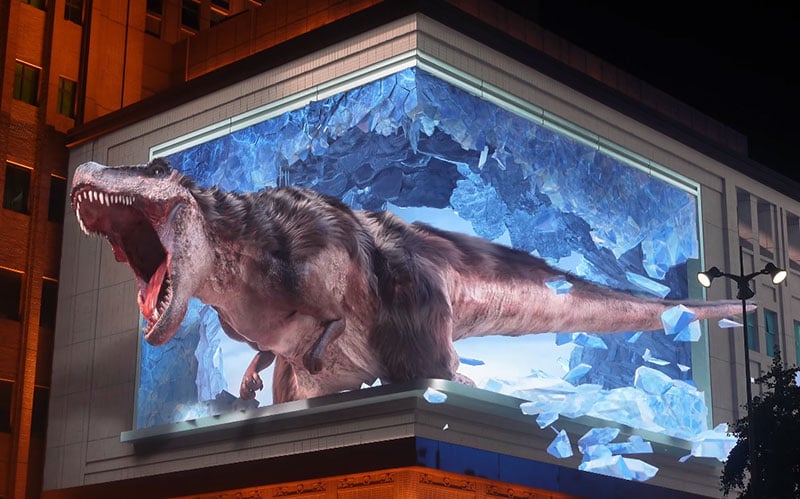
A 3D anamorphic billboard is a digital anamorphic LED screen that uses perspective and depth cues to create a realistic 3D anamorphic display without the need for special glasses.
These billboards are often positioned in high-traffic areas, ensuring maximum engagement and brand exposure.
(2) Features of 3D Anamorphic Billboard
This effect is achieved by carefully calculating and manipulating the visual angle. Although it looks like a three-dimensional object, it is constructed on a 2D surface.
Anamorphic billboards are often used for advertising in high-traffic areas because they attract attention with their eye-catching, realistic appearance.
This illusion not only attracts viewers but also enhances the overall impact of the message. It is more memorable than traditional LED billboards.
These billboards often use advanced projection or LED technology to bring the visuals to life.
In essence, anamorphic 3D billboards are a creative and immersive way to display advertising. It provides a new and eye-catching approach to outdoor advertising.
(3) How It Works
The illusion of depth in a 3D anamorphic billboard is achieved through precisely calculated distortions that appear three-dimensional when viewed from a particular vantage point.
The technique is widely used in DOOH (Digital Out-of-Home) advertising, making it one of the most exciting advancements in marketing today.
How Does a 3D Anamorphic Billboard Work?
A 3D anamorphic billboard works by combining forced perspective, distorted 3D content, and a designed viewing position. The video is not created like normal flat advertising content. Instead, the object, background, shadows, screen edges, and camera perspective are rendered according to the real display size and the viewer’s expected position.
The viewing position is important because anamorphic visuals are designed around a specific perspective. From the intended viewing area, the 3D object may look like it is popping out of or sinking behind the screen. From other angles, the illusion can become weaker or less accurate.
This is why 3D billboard content should be produced according to the actual screen size, screen angle, installation location, and audience viewing path. Coper explains that anamorphic 3D video is built with real location parameters in mind, including screen dimensions, viewing angle, and perspective. Reference: Coper 3D anamorphic billboard production guide.
The Key for Best 3D Holographic Billboard
What are the key factors that determine the success and quality of a 3D holographic billboard?
These factors ensure that the holographic effect is visually striking, engaging, and effectively communicates the intended message.
The following are the main elements:
(1) 3D LED Display Technology
The foundation of any 3D holographic billboard is the display technology used.
Modern holographic billboards typically use LED or laser projection systems that can create high-resolution, vivid 3D visuals.
Selecting high-resolution, high-quality LED panels can ensure the sharpness, brightness, and clarity of the 3D effect.
High LED display panel for 3D digital billboard:
A. high refreshment: ≥3840hz
B. High grayscale: ≥14bit
C. High dynamic contrast
D. Configure multi-graphics card
(2) Viewpoint and Angle
Since holograms rely on perspective, the correct position and angle of the display is critical.
For the best 3D effect, the billboard needs to be installed in a position where the audience can observe the holographic visual effect from an ideal angle. This ensures that the 3D illusion appears as expected.
(3) 3D Content Design
The content design must be created specifically for the 3D LED billboard.
The design of 3D animations or objects should consider depth and motion to enhance immersion. The content should be eye-catching and relevant to the target audience.
Optimization for the specific 3D effect to be created for a specific billboard ensures the best immersive visual effect.
(4) Size and Position
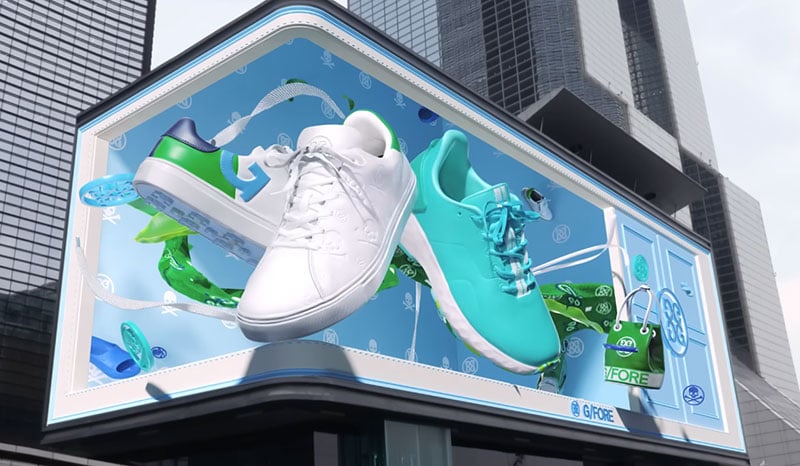
The size and position of the holographic billboard will significantly affect its effect. Larger billboards and more space can bring more vivid and clear 3D illusions.
DOOH 3D anamorphic billboards are best suited to LED fine-pitch displays. The most realistic virtual images will be seen when people are at a 90° right angle arc position.
(5) Powerful Processing and Software
The software and processing power behind the incredible 3D holographic billboard is essential for the smooth, real-time rendering of 3D effects.
Powerful computers and high-quality software ensure a seamless and realistic experience without glitches or delays.
(6) Sound Integration
Some 3D holographic billboards integrate sound to enhance the overall experience.
Audio synchronized with the visuals can further engage the audience and create a more complete sensory experience.
However, the sound must be balanced and not distract from the visual content.
(7) Durability and Weather Resistance
Since many 3D holographic billboards are placed outdoors, they must withstand various environmental conditions.
Weather-resistant materials and IP 65-rated enclosures protect the display from rain, dust, and other factors that may affect performance.
In summary, high-quality 3D holographic billboards are achieved through advanced technology, thoughtful content creation, proper placement, and maintenance.
When these factors are optimized, a stunning, engaging, and memorable advertising marketing effect is produced.
The Technology Behind Anamorphic 3D Billboards
Anamorphic 3D billboards rely on a blend of LED display technology, optical illusion principles, and advanced content creation to produce eye-catching visuals that appear three-dimensional from specific angles.
Below is a more detailed breakdown of the key technologies behind these stunning anamorphic displays.
(1) High-Resolution LED Screens
The foundation of every 3D anamorphic billboard is the LED display itself.
These screens must meet strict requirements to deliver a realistic 3D effect:
A. Pixel Pitch & Resolution
Smaller pixel pitches (such as P2.5 or P3.9) allow for higher definition images, which are critical for seamless anamorphic advertising.
Lower pixel density can lead to visible gaps, reducing the illusion of depth.
B. Brightness & Contrast
High brightness ensures visibility in direct sunlight, making anamorphic LED screens suitable for outdoor DOOH 3D anamorphic billboard installations.
A high contrast ratio improves depth perception, enhancing the 3D effect.
C. Refresh Rate & Frame Synchronization
A high refresh rate (≥3840Hz) prevents flickering and ensures smooth 3D anamorphic displays that look crisp and realistic even when captured on camera.
https://youtu.be/NeIjfmOMljc?si=tMShRCFDY3h-fNXu
(2) Perspective Mapping & Optical Illusions
Anamorphic 3D effects work by manipulating visual perspective.
The key concept behind this technique includes:
A. Distorted Video Rendering
The content is intentionally stretched or skewed so that when viewed from a designated angle, it appears proportional and three-dimensional.
B. Vanishing Points & Depth Cues
Anamorphic illusions rely on the laws of perspective.
By placing shadows, reflections, and highlights at strategic points, the brain is tricked into seeing depth where none exists.
B. Multi-Faceted Screens
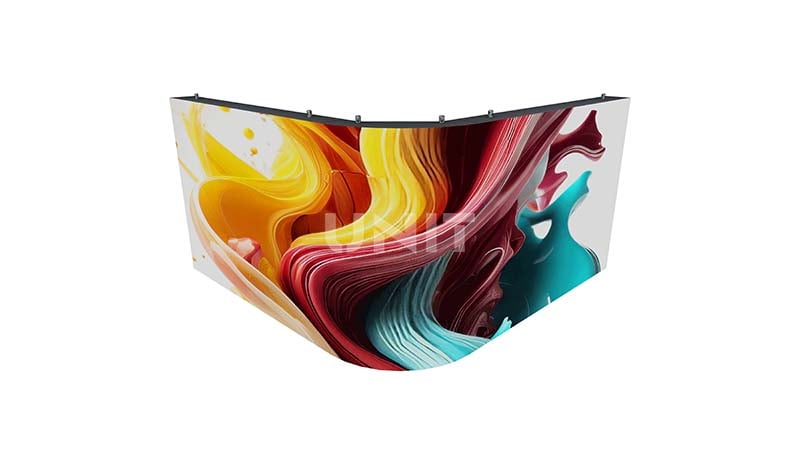
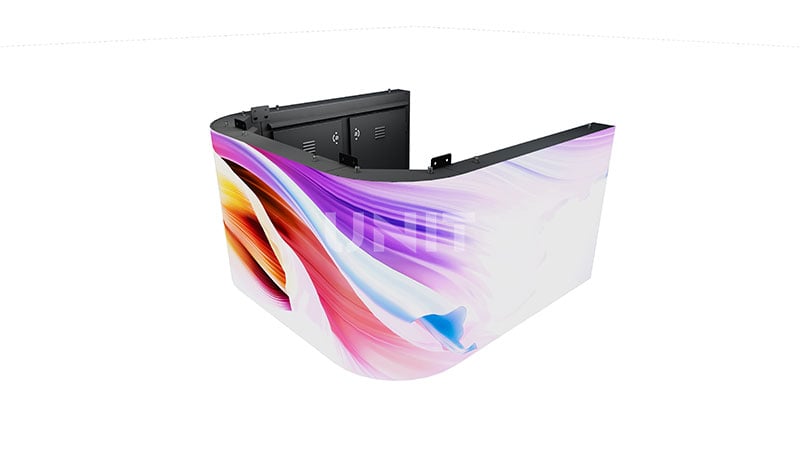
Some 3D anamorphic billboards use curved LED panels or two-screen combinations (L-shaped installations) to enhance depth perception and increase the viewing range.
(3) Advanced 3D Content Creation
The most crucial aspect of anamorphic advertising is the content itself.
Producing high-quality 3D anamorphic screens requires expertise in:
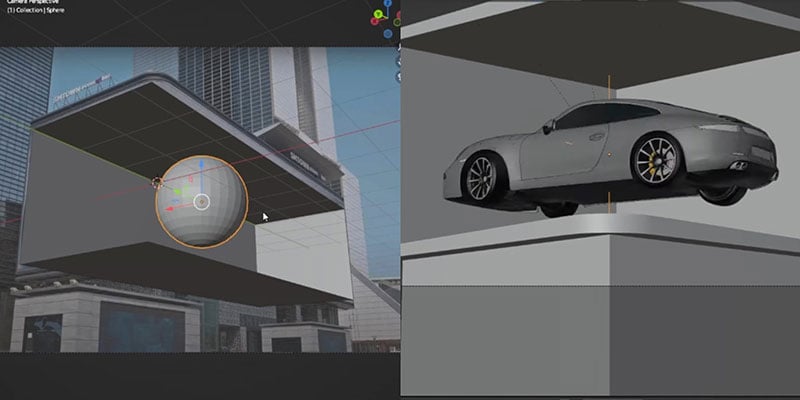
A. 3D Animation & Modeling
The illusion is created using 3D animation software like Cinema 4D, Maya, or Blender, where objects are modeled with realistic textures and shadows.
B. Real-Time Rendering Engines
Technologies like Unreal Engine allow for dynamic content updates, enabling brands to create interactive or time-sensitive advertisements.
C. AI-Powered Content Adjustments
New AI-driven tools can analyze real-world lighting and viewing angles, automatically adjusting anamorphic ads for maximum impact.
(4) AI & Sensor-Based Interaction
Some anamorphic LED screens are incorporating motion sensors, facial recognition, and AI-based analytics to create interactive advertising experiences. These technologies allow anamorphic 3D billboards to:
Change content dynamically based on audience demographics.
Adjust visuals in real-time according to the position of viewers.
Integrate with smartphones or AR applications for extended engagement.
By combining these cutting-edge technologies, 3D anamorphic billboards deliver hyper-realistic illusions that make traditional static billboards obsolete.
Benefits of DOOH 3D Anamorphic Billboard
Digital Out-of-Home (DOOH) 3D morphing billboards are quickly becoming a powerful tool for the advertising industry.
These billboards create an immersive, eye-catching experience that stands out in a busy environment.
Here are some of the key benefits:
(1) Enhanced Visual Appeal
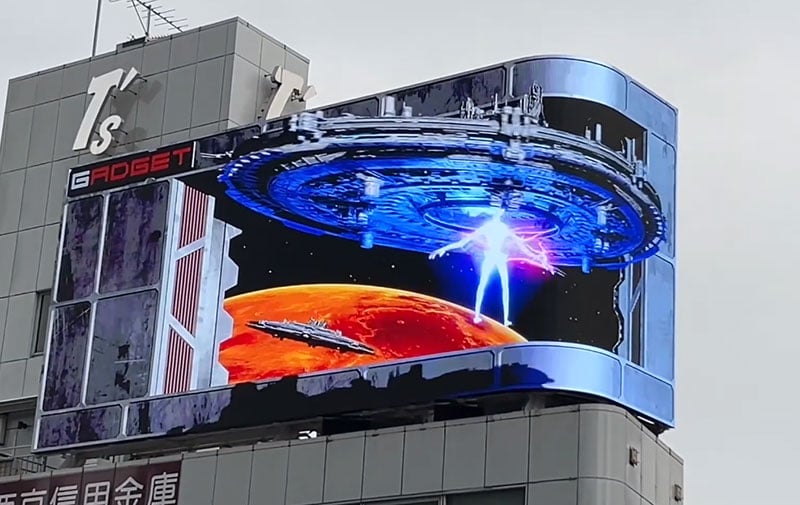
One of the most notable benefits of 3D LED billboards is their visual impact.
The optical illusion created by the morphing design makes the ad appear three-dimensional, even if the display is flat.
This adds depth, excitement, and realism to the content, ensuring it grabs attention in a crowded space.
(2) Increased Engagement
The curiosity sparked by the visual illusion draws people in, prompting them to spend more time looking at the billboard.
This increased dwell time can significantly improve the effectiveness of the ad’s message.
(3) Improved Brand Recall
Because 3D anamorphic displays are visually striking, they are more likely to leave a deeper impression on viewers.
The novelty of the 3D effect enhances brand recall. Viewers are more likely to remember the brand after seeing the ad.
(4) Creative Flexibility
Advertisers can be highly creative with 3D morphing designs. Creating dynamic, moving visuals allows brands to showcase their products or services in innovative ways.
Whether it’s making a product “come to life” or creating the illusion of depth, the storytelling possibilities are vast.
(5) Increased Social Media Buzz
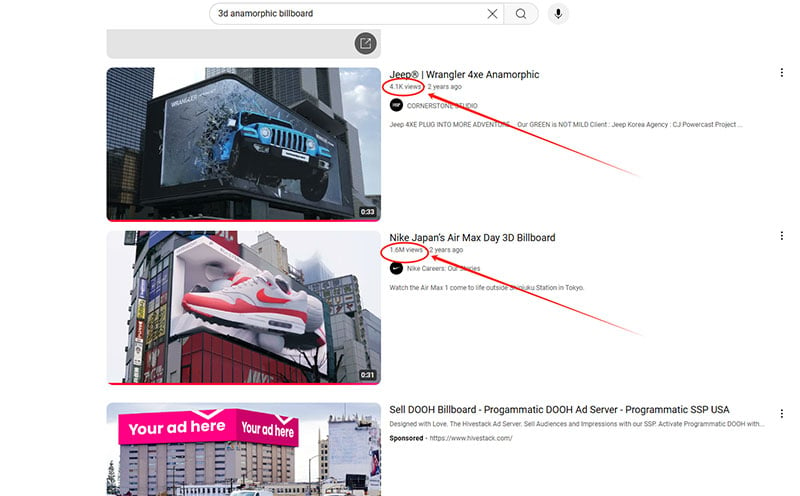
The eye-catching nature of anamorphic 3D billboard often sparks social media buzz. People may take photos or videos of the billboards and share them on social platforms.
This viral effect can extend the reach of the campaign beyond the physical space of the billboard itself.
(6) Cross-platform Integration
DOOH 3D anamorphic billboard can be integrated into a broader multi-channel marketing strategy.
For example, they can be combined with social media campaigns, events, or promotions that connect the physical and digital worlds.
This integration increases the reach of a campaign and helps create a cohesive brand experience across different platforms.
Anamorphic billboards offer a unique combination of creativity, interactivity, and visibility that traditional advertising formats cannot match.
They can attract and engage audiences while providing advertisers with creative flexibility.
Whether it’s to increase brand awareness or drive specific actions, 3D LED billboards offer clear advantages in the world of outdoor advertising.
(6) Cross-platform Integration
DOOH 3D anamorphic billboard can be integrated into a broader multi-channel marketing strategy.
For example, they can be combined with social media campaigns, events, or promotions that connect the physical and digital worlds.
This integration increases the reach of a campaign and helps create a cohesive brand experience across different platforms.
Anamorphic billboards offer a unique combination of creativity, interactivity, and visibility that traditional advertising formats cannot match.
They can attract and engage audiences while providing advertisers with creative flexibility.
Whether it’s to increase brand awareness or drive specific actions, 3D LED billboards offer clear advantages in the world of outdoor advertising.
Applications of 3D Anamorphic Billboards
(1) High-Impact Branding
Global brands use 3D anamorphic billboards in iconic locations such as Times Square (New York), Piccadilly Circus (London), and Shibuya (Tokyo) to create viral marketing campaigns.
Examples include:
Nike’s giant shoebox display in Tokyo, making it appear as if a sneaker was breaking out of the billboard.
Samsung’s DOOH 3D anamorphic billboard, showcasing their latest smartphone with a holographic effect.
https://youtu.be/N6v7HQiCNiQ?si=cw1HlDcm8YcjisRwhttps://youtu.be/kRqWmu568Fs?si=kG_544zNupqvMHGE
(2) Event and Entertainment Promotions
Film studios and concert promoters use anamorphic advertising to showcase movie trailers or upcoming concerts, making them appear larger than life.
(3) Automotive and Luxury Brands
Luxury automakers like BMW and Porsche use anamorphic LED screens to present life-sized vehicles in motion, creating a futuristic showroom experience on the streets.
(4) Retail and Shopping Malls
Shopping centers are leveraging 3D anamorphic screens to create interactive experiences, attracting customers with dynamic advertisements.
https://youtu.be/HSJP6cKkzag?si=SARaZXwJcvuoOu4m
Conventional LED Display vs. 3D Anamorphic Display
There are significant differences between conventional and 3D display screens in terms of hardware, software, and content.
This is specifically reflected in the following situations:
(1) Hardware
Conventional screen: ordinary flat display screen
3D Anamorphic Display:
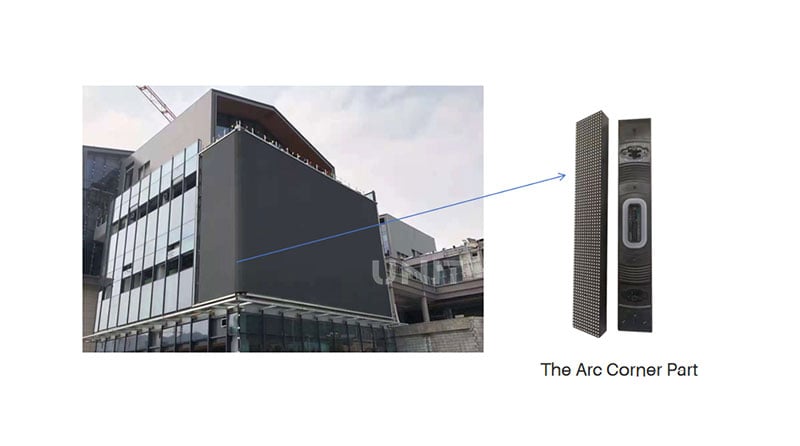
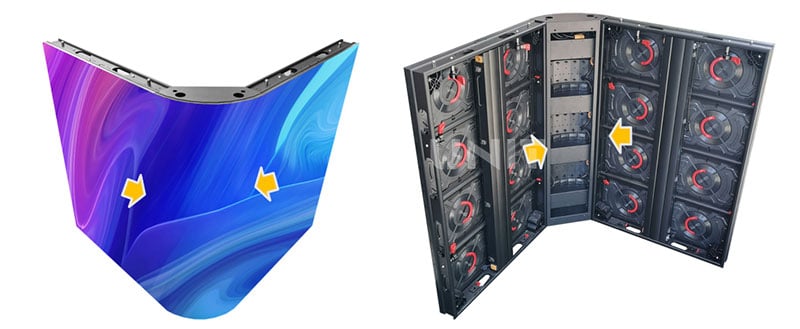
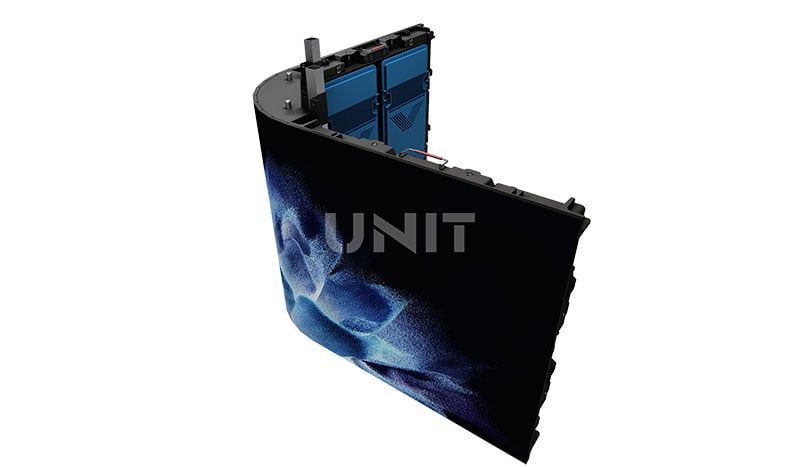
A. Most display screens are installed with a 90-degree arc. This allows a non-two-dimensional display surface to be viewed. The arc part of the screen (including PCB, module, and cabinet) is a customized product.
B. Multiple graphics card frame synchronization cards are required
C. High refresh rate, high grayscale, and high dynamic contrast. And smooth transition of curved surfaces (corners)
(2) Software
Conventional screens use conventional decoders.
3D anamorphic screens are equipped with high-definition, high-color depth professional video decoders.
(3) Content Creation
Ordinary flat ads, pictures, and videos are suitable for conventional display screens.
Digital 3D advertising billboards require 3D animations and stereo models.
Three-dimensional structures are made based on the perspective relationship of the display shape, and the resolution is customized point by point.
(4) Other Differences
|
Conventional Display |
3D Anamorphic Screens |
|
|
Display effect |
2D flat images |
3D stereo images with depth perception effect |
|
Cost |
Low |
High, involving specialized hardware and content production |
|
Viewing angles |
The viewing angle does not affect the display effect |
Requires a specific angle to achieve the best 3D effect |
|
Technical requirements |
Ordinary graphics processing and display technology |
High-performance graphics processing, real-time rendering, depth map processing |
|
Application scenarios |
Conventional uses such as advertising, conferences, and TV displays |
High-end advertising, art exhibitions, immersive experiences, etc. |
3D Anamorphic Billboard Price/Cost
3D Anamorphic Billboards are usually more expensive because they require special display technology, content design, and installation and maintenance services.
Prices vary depending on factors such as screen size, technical specifications, installation location, and maintenance requirements.
The following are some of the main factors that affect the price and the approximate market range:
Factors affecting 3D Anamorphic Billboard Price
(1) 3D Anamorphic Billboard Size
Larger screens increase hardware and installation costs.
(2) Resolution and Display Technology
Higher resolution screens or the use of more advanced projection technology (such as laser projection) will increase the price.
(3) Content Design
The production of 3D animation and content may require a professional design team, adding additional costs.
(4) Installation and Maintenance
The complexity of the installation and the need for post-maintenance will affect the total cost.
(5) Location
The installation location (such as commercial areas, high-traffic areas) will affect the rental or purchase price.
Approximate Market Price Range
|
Small 3D Anamorphic Billboard |
for example: 3m x 2m screen |
The price is roughly between $30,000 and $50,000 |
|
Medium-sized Anamorphic 3D Billboard |
e.g. 6m x 3m display |
Prices are roughly between $50,000 – $100,000 |
|
Large-sized 3D Anamorphic Billboard |
e.g. 10m x 5m or larger |
Prices may range from $100,000 – $300,000 USD or even higher, depending on technical specifications and design requirements. |
Rental Costs of 3D LED Advertising Billboard
If you choose to rent a 3D anamorphic screen, the price is usually calculated based on time and location.
Usually $10,000 – $50,000 per month, depending on the location of the advertising screen and the length of the advertisement.
Content Production Fees of 3D Holographic Billboard
Professional 3D animation production and content design may be charged separately. Usually the cost per project is between $5,000 – $20,000.
In general, the total cost of 3D Anamorphic Billboards is higher, so it is more suitable for large brands and high-budget advertising campaigns.
Top 5 3D Digital Billboard Manufacturer in World
UNIT LED – 3D Anamorphic Billboard Solution Provider
UNIT LED is a leading LED screen manufacturer in China, providing high-quality 3D LED billboard solutions and interactive digital billboards.
UNIT LED is known for its cutting-edge innovation and reliable products. We provide customizable solutions, professional technical support, and after-sales service.
Multiple product models, and multiple pitches to meet your high-end 3D advertising needs.
We have successfully installed 3D LED billboards in many countries and regions around the world. Welcome to consult.
https://youtu.be/Ut7Rqd6qD2c?si=PErj7mhOeNyciwZ-
OF800 3D LED Screen
https://youtu.be/4m7qmPNCyKc?si=fNfViq6vucZ43q0p
EV960 3D Billboard
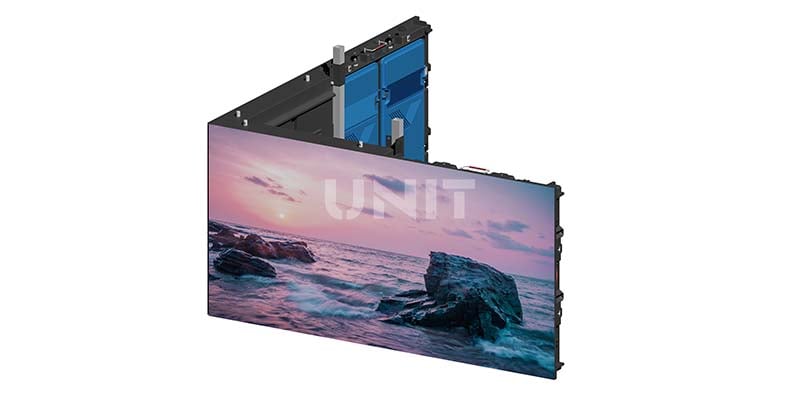
LianTronics – 3D LED Screen Supplier
LianTronics is a globally recognized LED display manufacturer with a wide range of products, including advanced 3D digital billboards.
Strong R&D capabilities and a reputation for durable products are their signature in the industry.
They provide displays for major cities and events and are installed in landmarks around the world. They demonstrate their expertise in large-scale digital billboards.
Famous 3D projects: Chengdu Chunxi Road Pedestrian Street Naked Eye 3D Screen, the 3D curved billboard in Chongqing MICC Building, China
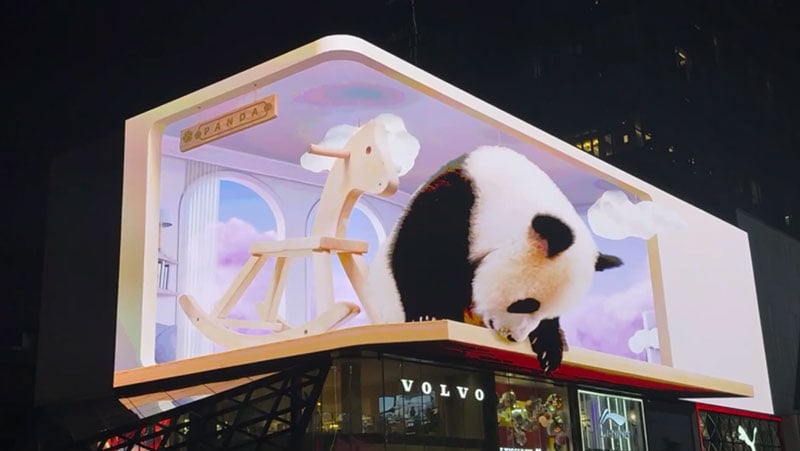
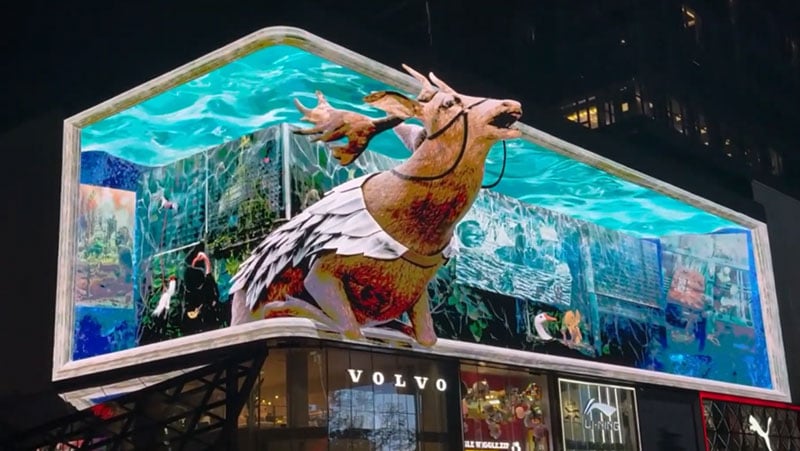
Chengdu Chunxi Road Pedestrian Street Naked Eye 3D Screen
Linsn LED – DOOH 3D Billboard Manufacturer
Linsn LED is known for its high-performance digital signage solutions, including 3D billboards. They provide excellent clarity and vivid visuals.
It is widely recognized in the industry for its advanced LED technology and quality control.
They provide a one-stop professional customized solution for large screen and naked-eye 3D video content.
In addition, they provide free 3D rendering services to help you predict naked-eye 3D visual effects.
Next, I will recommend two companies focusing on creating immersive 3D content.
Queppelin – Anamorphic 3D Content Creative Studio
Queppelin is an innovative technology company that creates cutting-edge interactive 3D displays.
They specialize in creating immersive advertising experiences by fusing augmented reality (AR), virtual reality (VR), and 3D holographic displays.
Their team works with global brands in retail, entertainment, and live events to design and produce visually compelling 3D content for their clients.
Queppelin offers comprehensive 3D solutions such as 3D modeling and animation as well as augmented reality and virtual reality services.
BCN Visuals – 3D Anamorphic Advertising Production
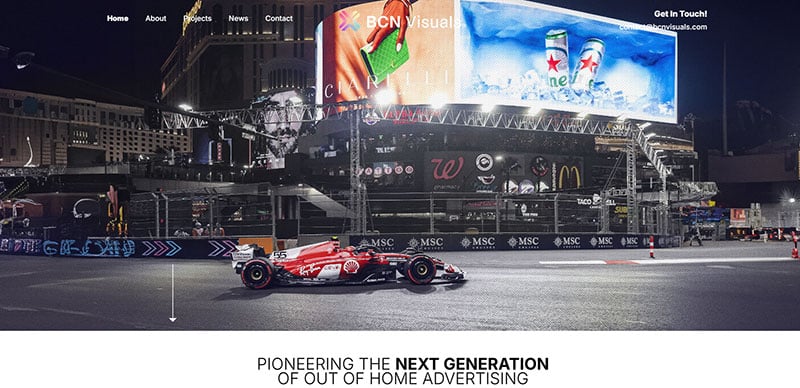
BCN Visuals is an innovative technology company and digital studio specializing in 3D anamorphic advertising. The company focuses on creating creative 3D content.
BCN Visuals has the skills, understanding, and film capabilities to produce world-class immersive content.
The various vivid and stunning 3D videos they create have gone global: New York, Hong Kong, South Korea, etc.
Future Trends in Anamorphic Advertising
The future of anamorphic advertising is shaped by continuous technological innovations, creative experimentation, and integration with emerging digital tools.
Below are some key trends expected to define the next generation of 3D anamorphic billboards.
(1) AI-Generated Anamorphic Content
Artificial intelligence (AI) is revolutionizing 3D anamorphic screen content creation in several ways:
A. Automated Content Scaling
AI can analyze screen dimensions and automatically resize anamorphic ads to fit different anamorphic LED screens without manual adjustments.
B. Dynamic Content Adjustments
AI-based real-time rendering allows billboards to change based on environmental factors like lighting conditions or audience engagement.
C. Personalized 3D Advertisements
In the future, anamorphic 3D billboards may display customized advertisements based on audience demographics (age, gender, interests).
(2) Interactive & Gamified Anamorphic Ads
The next evolution of anamorphic displays will focus on user interaction. Technologies such as:
A. Gesture Recognition
Viewers can control elements in anamorphic ads by moving their hands, enhancing engagement.
B. Augmented Reality (AR) Integration
Some brands are experimenting with AR layers that allow passersby to scan anamorphic LED screens with their phones for a deeper experience.
C. Gamification Elements
Future DOOH 3D anamorphic billboards could include interactive games, where users engage with the brand in a fun and memorable way.
(3) Expansion into Smart Cities & IoT Connectivity
A. Real-Time Updates via IoT
3D anamorphic screens will soon be connected to real-time data sources, displaying updates such as weather, stock prices, or social media feeds.
B. Integration with 5G Networks
Faster 5G connectivity allows anamorphic 3D billboards to stream ultra-high-resolution content without buffering or delays.
C. Sustainability & Energy Efficiency
New solar-powered 3D billboards and low-energy microLED displays will reduce the environmental footprint of anamorphic advertising.
(4) Hyper-Realistic CGI & Virtual Influencers
Brands are now using hyper-realistic CGI characters and virtual influencers in anamorphic advertising campaigns. These digital personalities can:
Engage with audiences in real-time, appearing on multiple 3D anamorphic billboards worldwide simultaneously.
Adapt their appearance, speech, and expressions based on cultural or regional preferences.
Promote products or services without the limitations of human actors, making them cost-effective for long-term campaigns.
(5) 3D Billboards in the Metaverse
With the rise of the Metaverse, brands are blurring the lines between digital and real-world advertising.
Anamorphic LED screens may soon display:
Virtual storefronts, where users can browse and purchase products directly.
Live-streamed Metaverse events, such as concerts, fashion shows, and product launches.
Holographic experiences, allowing users to interact with products in a mixed-reality environment.
Conclusion
Through the analysis of 3D digital advertising screens, we can see its unique advantages in visual effects, interactivity and content innovation.
Whether you are looking for high-quality display technology or want to attract audiences through creative content, UNIT 3D anamorphic billboard solutions can help your brand stand out.