
In the realm of modern digital signage, pillar LED screens stand out with their unique design and versatility.
These screens not only optimize space utilization but also provide a novel visual experience for audiences.
In this blog, we will share three impressive pillar LED display case studies, demonstrating their excellent visual effects and exploring their innovative applications.
Click Here to Jump!
1. What is a Pillar LED Display?
2. 5 UNIT Pillar LED Screen Cases
3. Features of Square Pillar LED Display
5. How to Install LED Pillar Wall?
1. What is a Pillar LED Display?
A pillar LED screen is a digital signage that wraps around or is integrated into a structural column, column or support within a building or outdoor area.
Square pillar LED displays take advantage of the vertical and often cylindrical nature of pillars to create novel advertising display installations.
They deliver dynamic visual content in spaces where traditional flat screens may not be as effective or feasible.
2. 5 UNIT Pillar LED Screen Cases
(1) MA250 P1.953mm Indoor LED Column
Pixel Pitch: P1.953mm
Product: MA250 Series indoor LED display
Cabinet Size: 1000*250mm
Module Size: 250*250mm
Module Resolution: 128*128dots
Refresh rate: 3840Hz
Application: Indoor
https://youtu.be/E7f8ISHfKSYThe indoor pillar screen is an innovative technology in the modern indoor environment, which brings a stunning visual feast to the audience through its unique design and function.
One of its most notable features is 90° right-angle splicing, which means that the edges of the screen can be seamlessly connected, presenting a continuous and smooth picture, allowing the audience to be immersed in it, as if they are in a borderless picture.
(2) MA250 P2.5mm Indoor LED Pillar Screen
https://youtu.be/H3thpnZTxZc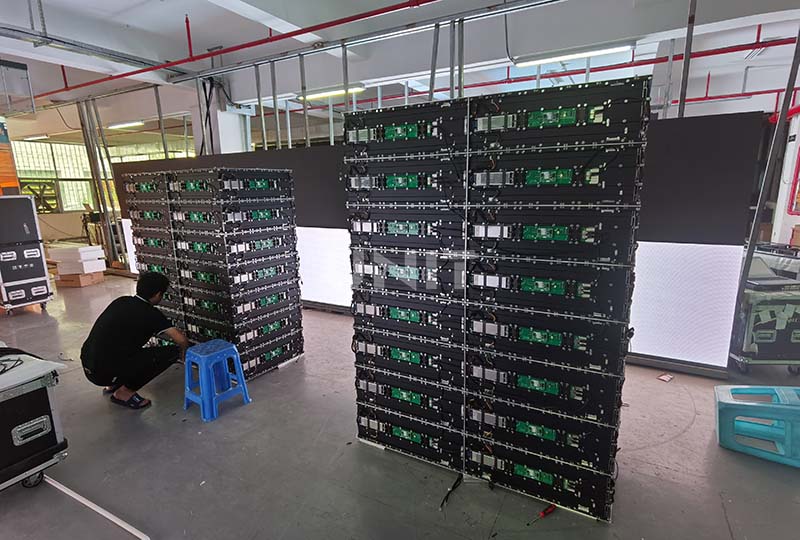
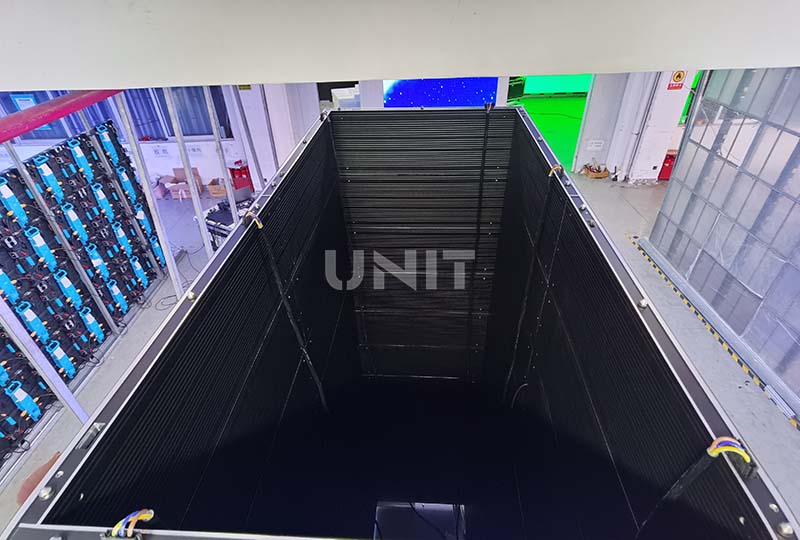
(3) MA480 Series HD LED Screen Pillar
Product: MA480 Series HD LED display
Pixel Pitch: P1.875mm
Cabinet Size: 480*480mm
Module Size: 240*240mm
Module Resolution: 128*128dots
Refresh rate: 3840Hz
https://youtu.be/FJNH0oLFpnc(4) MY P3.91mm Rental LED Pillar Display
Pixel Pitch: P3.91mm
Product: MY Series rental LED display
Cabinet Size: 500*1000mm
Module Size: 250*250mm
Refresh rate: 3840Hz
Application: Indoor rental LED screen
https://youtu.be/blxQxyqJhx4(5) P2.5mm Flexible LED Column Screen
Pixel Pitch: P2.5mm
Product: soft flexible LED module
Refresh rate: 3840Hz
Application: indoor creative LED screen
https://youtu.be/v6flsoCeJDI3. Features of Square Pillar LED Display
Here are some of the key features and benefits of column LED screen.
(1) 360-Degree Viewing
Creative LED pillar screens are usually designed to provide a 360-degree viewing experience, which can be viewed from all directions.
Therefore, viewers can see them from multiple angles.
(2) Flexible installation
They can be installed indoors and outdoors.
Subject to design and durability specifications, including weather resistance for outdoor versions.
(3) High-Resolution Display
Equipped with a high-resolution LED panel, ensuring bright and clear visuals even from a distance.
P2.5mm Pillar LED DisplayP2.5mm Pillar LED Display Previous slide Next slide(4) Customized
Available in a variety of sizes and shapes to suit different types of columns and building designs.
(5) Content Management
Integrates with advanced content management systems to easily update and schedule dynamic content.
Benifits of Pillar & Column LED Display
Maximize Space Utilization:
Utilize existing architectural features to efficiently utilize space without the need for additional structures.
Enhanced Visibility:
Located in high traffic areas to ensure maximum visibility and engagement from passers-by.
Aesthetic integration:
Integrate with the architectural aesthetics of the space to add a sense of modernity and the future.
Interactive function:
Some pillar LED display screens can be interactive, allowing users to interact directly with the content.
Advertising and messaging:
Ideal for installation in places such as shopping malls, airports, train stations and large public spaces with high traffic. Whether it's for commercial advertising, providing information, or enhancing the overall experience, it's a great choice.
4. Where Can You Use it?
LED pillar screens are versatile and innovative displays that wrap around or are integrated into pillars or columns.
They are used in various environments to enhance visual communication and engagement. Here are some key applications:
(1) Retail Spaces
Advertising: Retail stores and shopping malls use LED pillar screens to display advertisements, promotions, and product information. This attracts customers and encourages purchases.
Branding: Stores can enhance brand visibility and create a modern, tech-savvy image by displaying dynamic content that aligns with their brand identity.
(2) Transportation Hubs
Information Display: Airports, train stations, and bus terminals use pillar screens to show flight schedules, train timings, announcements, and directional information.
Advertising: These locations are high-traffic areas where advertisers can reach a large audience with targeted ads.
(3) Event Venues
Live Event Coverage: Concert halls, stadiums, and convention centers use pillar screens to broadcast live events, ensuring that attendees can see the action from all angles.
Event Information: Displaying schedules, speaker information, and event updates helps attendees stay informed.
(4) Public Spaces
Urban Installations: In public plazas and city centers, LED pillar screens can be used for artistic installations, public service announcements, and community messages.
Tourist Information: Tourist spots use these screens to provide information about attractions, maps, and local events.
5. How to install LED Pillar Wall?
Installing a pillar LED screen is a multi-step process that involves precise hardware installation and careful connection and debugging. Here are the main steps:
(1) Install the cabinet
Prepare tools and materials: Make sure you have all necessary tools and materials, such as screwdrivers, drills, bolts and nuts, etc.
Fix the bracket: Install the bracket at the appropriate location on the column, making sure the bracket is secure and aligned horizontally.
Typically brackets are pre-designed to accommodate different post shapes and sizes.
Install the cabinets: Fix the LED display box to the bracket. Make sure the cabinet is aligned and securely fastened using bolts and nuts.
https://youtu.be/kVnnawHSqF8https://youtu.be/ALqh9vxcV1k(2) Connect the wires
Power cord connection: Connect the power cord to each cabinet to ensure that each cabinet receives a stable power supply.
Signal cable connection: Connect data cables, usually using network cables or optical fibers to transmit signals.
Make sure each box is properly connected to the control system to form a continuous signal chain.
Check connections: Check each connection point carefully to make sure all wires are tight and not loose.
(3) Install the module
Prepare LED modules: Check each LED module to make sure there is no damage.
Installing the module: Install the LED module to the box, usually by buckles or screws. Make sure each module is aligned and securely installed.
Connect the modules: Connect the signal and power lines between the modules to ensure that the modules on the entire screen are interconnected and can be displayed uniformly.
6. Recommended Products
(1) MY Series Rental LED Display
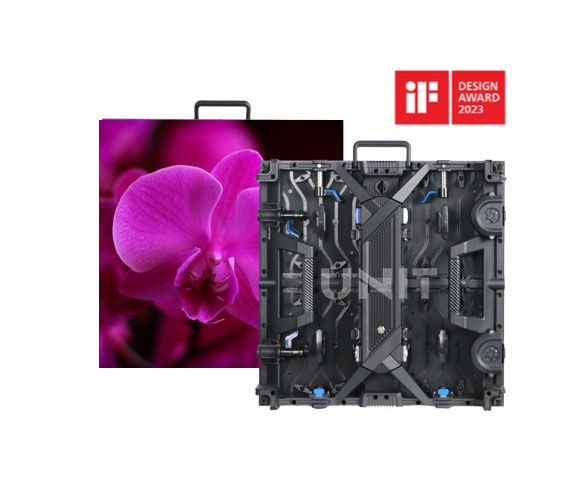
- 500*1000mm & 500*500mm cabinet
- IF Design Award 2023
- Support Right Angle Installation
- Front and Rear Dual Maintenance
- Seamless Display, and Excellent Visual Effects
(2) MA250 Series
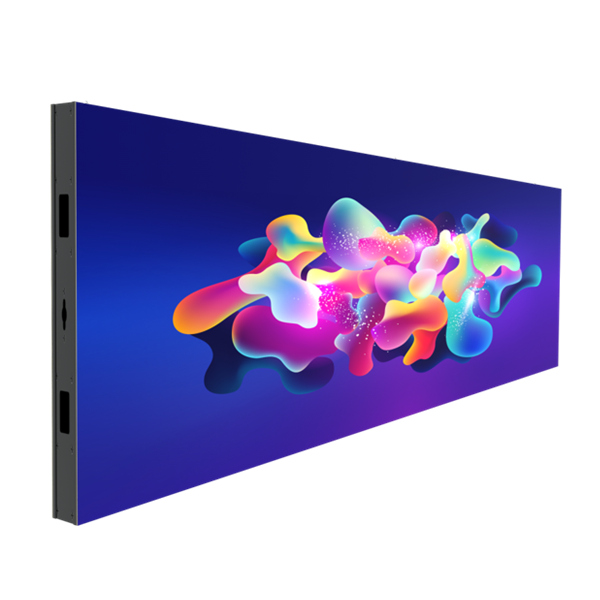
- 250*1000*32.88mm LED cabinet
- Frontal service indoor LED display screen
- Ultra-thin and ultra-light cabinet
- Supports split-screen multi-module display
- Good color saturation and contrast
(3) MA480 Series Indoor LED Screen
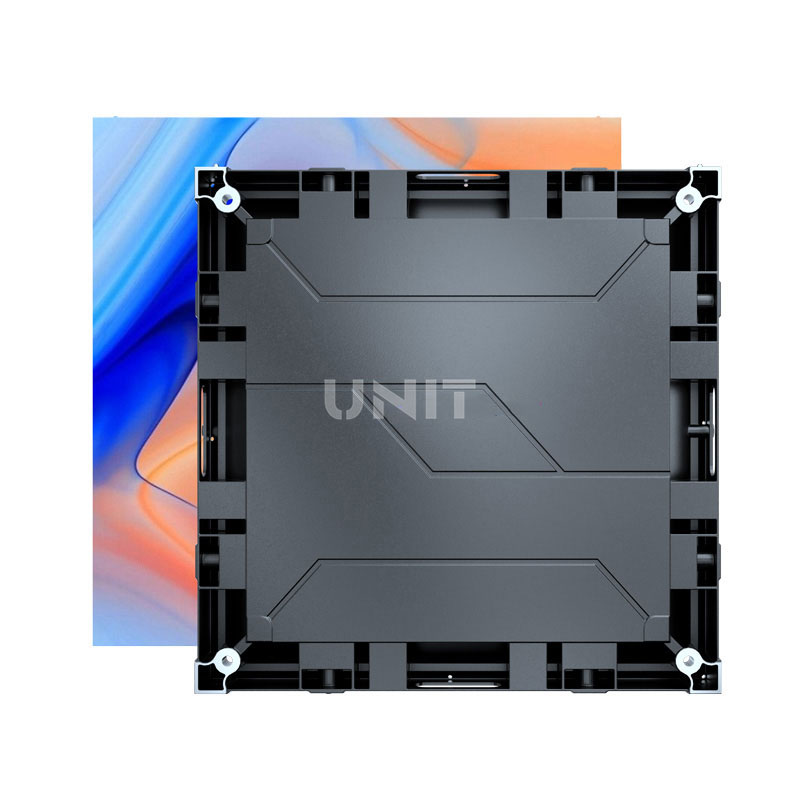
- Small cabinet size with 480*480mm
- ultra-lightweight, and space-saving
- dopting high-quality high refresh rate LED display panel with 240*240mm
- Front and Rear Dual Maintenance
- Dual service from the frontal side or rear
7. Conclusion
In this post, we shared several creative pillar LED screen cases. Not only are these screens aesthetically stunning, they also play an important role in messaging and audience interaction.
If you are looking for an innovative and efficient way to enhance the visuals and messaging of your space, don't hesitate to get in touch with us.
We are committed to providing our customers with the most advanced Pillar LED screen solutions.